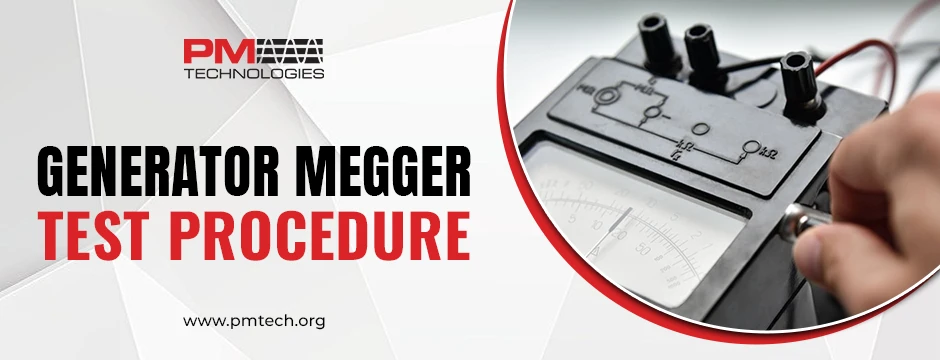

Generators are the heart of any commercial power backup system, especially during unplanned outages or emergencies. To ensure optimal performance and safety, regular maintenance and testing are essential. One of the most critical testing methods is the Generator Megger Test Procedure. This diagnostic process evaluates the condition of electrical insulation within the generator system, identifying potential issues before they lead to costly breakdowns. In this blog, we will explore how the generator megger test works, why it's important, and how it supports the long-term health and performance of commercial generators.
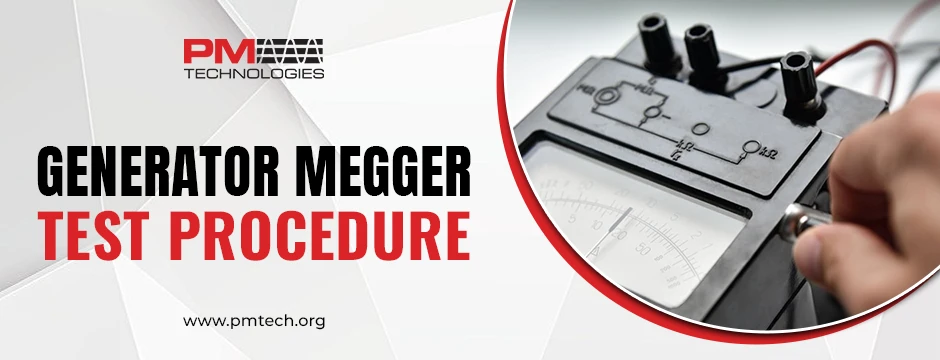
What Is the Generator Megger Test?
The Generator Megger Test Procedure is an insulation resistance test used to evaluate the health of electrical components in commercial generators. It utilizes a device called a megohmmeter (or megger) to apply high DC voltage across various electrical windings or components, checking the resistance of the insulation.
The primary objective is to detect any weakness or deterioration in the insulation system. These weaknesses often arise from factors like:
- Aging
- Dust and dirt accumulation
- Excessive heat
- Humidity
- Mechanical stress
- Oil contamination
By identifying these issues early, the generator megger test helps prevent insulation failure, electrical arcing, or short circuits—all of which can disrupt your power system and compromise safety.
Why Is Insulation Resistance Important in Generators?
The insulation in a generator plays a vital role in isolating live conductors from one another and from grounded parts. If insulation resistance drops too low, it can lead to energy leakage, equipment malfunction, or complete generator failure.
In commercial environments where reliability is crucial—like hospitals, data centers, manufacturing plants, and office complexes—this failure can lead to catastrophic losses. The Generator Megger Test Procedure acts as an early warning system by providing measurable insight into the insulation's health before problems escalate.
Healthcare backup generation is essential to ensure an uninterrupted power supply during critical medical procedures and emergencies.
When Should You Perform the Generator Megger Test?
Routine testing is key to preventing electrical failures. Here are some recommended intervals and scenarios for performing a generator megger test:
- Annually as part of a preventative maintenance program.
- Before and after major repairs or refurbishments.
- After long periods of generator inactivity.
- Following exposure to harsh environmental conditions, such as floods or prolonged humidity.
- If performance irregularities are detected, like voltage drops or unsteady power supply.
Annual megger testing ensures that even as the generator ages, its insulation remains effective and reliable. Routine megger testing strengthens the reliability of healthcare backup generation systems by verifying insulation integrity.
The Generator Megger Test Procedure: Step-by-Step
Performing a megger test on a commercial generator involves a systematic approach to ensure accuracy and safety. Here’s a breakdown of the general Generator Megger Test Procedure:
1. Initial Safety Checks
Before starting the test:
- Disconnect the generator from all power sources.
- Ensure the system is de-energized and locked out.
- Discharge any stored energy in the generator windings.
Safety for the testing personnel is paramount during this process.
2. Select the Correct Test Voltage
The test voltage used depends on the insulation rating of the equipment. Commonly used values are:
- 500V DC for low-voltage equipment
- 1kV or 2.5kV DC for medium-voltage systems
- 5kV DC for high-voltage equipment
Applying a voltage too high may damage the insulation; too low, and the results may be inaccurate.
3. Test Key Generator Components
The megger test typically includes:
- Alternator windings (stator and rotor)
- Transfer switch components
- Cables and terminal connections
Each part is tested separately to determine if insulation values meet acceptable standards.
4. Measure Insulation Resistance
The megger device applies voltage and measures resistance in megohms (MΩ). Readings below the manufacturer’s specified threshold indicate deteriorated insulation.
For example:
- Good insulation: 100 MΩ or higher
- Questionable: 10–100 MΩ
- Failing: Below 10 MΩ
Multiple readings may be taken over a period (e.g., 60 seconds) to observe the insulation’s stability.
5. Record and Analyze the Results
Document all readings and compare them with previous tests. A downward trend over time is a warning sign of insulation degradation.
Benefits of the Generator Megger Test Procedure
Early Fault Detection
The test identifies problems at an early stage, allowing for corrective action before damage occurs.
Improved System Reliability
With consistent testing, your commercial generator becomes more dependable, especially during emergencies.
Enhanced Safety
Detecting insulation failure reduces the risk of electrical fires, shock hazards, and equipment damage.
Predictive Maintenance Planning
With trend analysis over time, facility managers can forecast and budget for future repairs or replacements more efficiently.

How Megger Testing Complements Other Generator Maintenance Services
Megger testing is most effective when performed alongside other diagnostic methods like:
- Thermal imaging detects heat buildup from electrical resistance.
- Load bank testing evaluates the generator’s capacity under full load.
- Visual inspections for corrosion, dust, or oil leaks.
Together, these tools create a comprehensive maintenance strategy for commercial standby generators.
The Role of Transfer Switch Testing in the Procedure
While alternators are a major focus, the Generator Megger Test Procedure also involves testing the automatic transfer switch (ATS). This switch is essential for transferring load from the utility to the generator during an outage.
If the insulation in the ATS fails:
- It may not switch over in time.
- It could expose personnel to dangerous voltage.
- The generator might be unable to deliver power during a critical moment.
By including the transfer switch in your routine testing, you ensure full-system functionality.
Understanding the Electrical Megger Test in Detail
Sometimes used interchangeably, the Electrical Megger Test is a broader term for insulation resistance testing across any electrical system, not just generators. When applied specifically to generators, it focuses on:
- Generator windings
- Terminal blocks
- Switchgear
- Power cables
The Electrical Megger Test helps detect:
- Cracks or damage in insulation
- Moisture intrusion
- Carbon tracking
- Loose or degraded connections
When paired with the Generator Megger Test Procedure, it provides a full insulation profile for your commercial power system.
Common Causes of Insulation Failure in Generators
Understanding what contributes to insulation deterioration can help you implement better prevention strategies. Common culprits include:
- Oil contamination from leaks or spills
- Excessive moisture due to lack of ventilation or environmental exposure
- Mechanical vibrations that damage winding insulation
- Age-related wear, especially in older generators
- High operating temperatures, which accelerate insulation breakdown
Regular megger testing offers a window into how these factors are affecting your system, and when to act.
Interpreting Test Results: What to Look For
The value of megger test results lies in trend analysis over time. Here’s what to watch:
- A single low reading may indicate a specific insulation issue.
- Gradually declining readings signal ongoing degradation.
- Fluctuating results could point to moisture intrusion or environmental instability.
Always consult professional technicians to interpret results and recommend corrective action.
Final Thoughts
The Generator Megger Test Procedure is a powerful, proactive tool that ensures the long-term health and reliability of your commercial generator. By measuring insulation resistance and detecting subtle weaknesses, it allows for targeted maintenance and avoids unexpected generator failures when your business can least afford it. Including this procedure in your routine testing schedule not only protects your investment but also ensures your commercial power system is always ready to perform in emergencies. Meet the healthcare backup generation highest standards of safety and performance with PM Technologies today!
























Sign in to leave a comment.