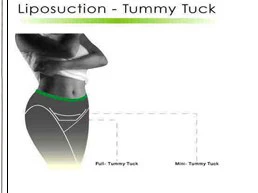

Tummy tuck surgery, also known as abdominoplasty, is a transformative procedure aimed at improving the appearance of the abdomen by removing excess skin and fat and tightening the underlying muscles. While the surgery itself is a crucial step in achieving desired aesthetic outcomes, understanding the healing process is equally important for patients undergoing tummy tuck in Oman. This guide explores the healing process associated with tummy tuck surgery, including what to expect during recovery, common post-operative symptoms, and tips for optimizing healing and results.
1. Immediate Post-Operative Period
Recovery Room Monitoring
Following tummy tuck surgery in Oman, patients are closely monitored in the recovery room by experienced medical staff. Vital signs, pain levels, and overall well-being are assessed to ensure a smooth transition from surgery to the initial stages of recovery.
Initial Discomfort and Pain Management
It's common for patients to experience some discomfort, tightness, and mild pain in the abdominal area immediately after tummy tuck surgery. Omani surgeons provide appropriate pain management medication to alleviate discomfort and promote a more comfortable recovery experience.
2. Managing Surgical Drains and Dressings
Surgical Drains
In some cases, surgeons in Oman may place surgical drains during tummy tuck surgery to remove excess fluid and prevent the accumulation of seroma (fluid buildup) in the surgical site. These drains are typically removed within the first week after surgery, depending on the individual patient's healing progress.
Dressings and Compression Garments
Patients are instructed to wear compression garments and change dressings as needed to promote healing and reduce swelling. Compression garments help minimize post-operative swelling and provide support to the abdomen as it heals.
3. Early Stage of Recovery (First Few Weeks)
Limited Physical Activity
During the early stage of recovery, patients are advised to limit physical activity and avoid strenuous movements that could strain the abdominal muscles or compromise surgical incisions. Light walking is encouraged to promote circulation and prevent blood clots.
Follow-Up Appointments
Patients in Oman are scheduled for follow-up appointments with their plastic surgeon to monitor healing progress, remove sutures or surgical staples, and address any concerns or questions that may arise during the recovery process.
4. Mid-Stage of Recovery (Weeks 2-6)
Gradual Resumption of Activities
As healing progresses, patients in Oman can gradually resume light activities of daily living, such as cooking, cleaning, and light household chores. However, activities that involve heavy lifting or strenuous exertion should still be avoided to prevent complications.
Scar Care
Proper scar care is essential during the mid-stage of recovery. Omani surgeons provide instructions on how to care for surgical incisions, including keeping the incision sites clean and dry, applying scar creams or ointments, and protecting the scars from sun exposure.
5. Late Stage of Recovery (Months 2-6)
Return to Normal Activities
By the late stage of recovery, most patients in Oman can return to their normal activities, including exercise, work, and social engagements. However, it's essential to listen to your body and avoid overexertion to prevent setbacks in healing.
Monitoring Long-Term Results
While the majority of swelling and bruising resolve within the first few months after tummy tuck surgery, it may take up to six months to a year for final results to be fully evident. Omani surgeons schedule periodic follow-up appointments to monitor long-term results and address any concerns that may arise.
6. Tips for Optimizing Healing and Results
Follow Post-Operative Instructions
Adhering to post-operative instructions provided by your plastic surgeon is crucial for optimizing healing and achieving optimal results. This includes wearing compression garments as directed, avoiding smoking and alcohol consumption, and attending all scheduled follow-up appointments.
Maintain a Healthy Lifestyle
Maintaining a healthy lifestyle, including regular exercise and a balanced diet, can support the healing process and help maintain the results of tummy tuck surgery in Oman. A healthy lifestyle promotes overall well-being and contributes to long-term satisfaction with surgical outcomes.
Conclusion
Understanding the healing process associated with tummy tuck surgery is essential for patients in Oman undergoing this transformative procedure. From the immediate post-operative period to the late stage of recovery, patients can expect a gradual progression towards optimal results with proper care and adherence to post-operative instructions. By working closely with experienced plastic surgeons, following recommended guidelines for post-operative care, and maintaining a healthy lifestyle, patients can achieve the toned and contoured abdomen they desire and enjoy long-lasting satisfaction with their surgical outcomes. With a commitment to healing and self-care, individuals undergoing tummy tuck surgery in Oman can embark on their aesthetic journey with confidence and peace of mind.





Sign in to leave a comment.