Introduction:
One such innovation is the implantable cardioverter defibrillator (ICD), a life-saving device designed to monitor and treat dangerous heart rhythms. In this comprehensive guide, we'll delve into the intricacies of ICDs, exploring their function, benefits, and impact on patients' lives.
Understanding the Implantable Cardioverter Defibrillator (ICD):
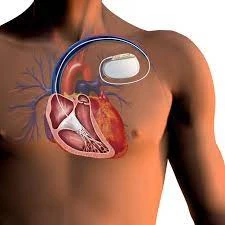
An implantable cardioverter defibrillator (ICD) is a small, battery-powered device implanted under the skin near the collarbone. It is connected to the heart via thin wires, known as leads, which monitor the heart's rhythm and deliver electrical shocks when abnormal rhythms are detected. The primary function of an ICD is to treat potentially life-threatening arrhythmias, including ventricular tachycardia and ventricular fibrillation, by restoring normal heart rhythm through cardioversion or defibrillation.
How Does an ICD Work?
When the ICD detects an abnormal heart rhythm, such as ventricular fibrillation or ventricular tachycardia, it delivers a shock to the heart to restore normal rhythm. This shock, known as defibrillation, interrupts the abnormal electrical activity and allows the heart to resume its normal beating pattern. In addition to defibrillation, some ICDs also have pacing capabilities to treat bradycardia (slow heart rate) by delivering electrical impulses to stimulate the heart's contraction.
Key Components of an ICD:
Pulse Generator: The pulse generator is the main component of the ICD, containing the battery and electronic circuitry responsible for monitoring the heart's rhythm and delivering therapeutic shocks when necessary.Leads: Leads are insulated wires that transmit electrical signals between the pulse generator and the heart. They are inserted into the heart's chambers, typically the right ventricle and right atrium, to detect and deliver shocks as needed.Sensing and Detection Algorithms: ICDs are equipped with sophisticated sensing and detection algorithms that continuously monitor the heart's electrical activity and identify abnormal rhythms. When a dangerous arrhythmia is detected, the device delivers appropriate therapy to restore a normal rhythm.Antitachycardia Pacing (ATP): Some ICDs are equipped with ATP capabilities, allowing them to deliver rapid pacing pulses to terminate certain arrhythmias without the need for a shock.Benefits of Implantable Cardioverter Defibrillators:
Prevention of Sudden Cardiac Death: The primary benefit of ICD therapy is the prevention of sudden cardiac death in patients at high risk of life-threatening arrhythmias. By promptly detecting and treating abnormal heart rhythms, ICDs can significantly reduce mortality rates and improve survival outcomes.Improved Quality of Life: For individuals living with recurrent arrhythmias, the fear of sudden cardiac arrest can significantly impact their quality of life. ICD therapy provides reassurance and peace of mind, allowing patients to engage in daily activities with confidence and independence.Customised Therapy Options: Modern ICDs offer customisable therapy options tailored to each patient's specific needs. This includes programming parameters such as detection sensitivity, shock energy levels, and ATP algorithms to optimise therapy effectiveness and minimise side effects.Long-Term Monitoring and Management: ICDs provide continuous monitoring of the heart's rhythm, allowing healthcare providers to assess disease progression, adjust therapy settings, and intervene proactively when necessary. This long-term management approach helps optimise patient outcomes and minimise complications.Considerations for ICD Implantation:
While ICD therapy offers significant benefits, it is essential to consider certain factors when determining candidature for implantation:
Underlying Cardiac Condition: ICDs are typically recommended for patients with underlying cardiac conditions associated with a high risk of sudden cardiac death, such as coronary artery disease, heart failure, and inherited arrhythmia syndromes.Individualised Risk Assessment: Healthcare providers conduct comprehensive risk assessments to identify patients who stand to benefit most from ICD therapy. Factors such as age, comorbidities, and prior arrhythmic events are taken into account when making implantation decisions.Shared Decision-Making: Patient preferences, values, and goals play a crucial role in the decision-making process surrounding ICD implantation. Shared decision-making between patients and healthcare providers ensures that treatment decisions align with the patient's wishes and priorities.Future Directions in ICD Technology:
As technology continues to advance, ongoing research and innovation in ICD technology aim to further enhance device performance, safety, and patient outcomes. Some promising areas of development include:
Miniaturisation and Leadless Devices: Efforts are underway to develop smaller, leadless ICDs that reduce the risk of lead-related complications and offer greater comfort and convenience for patients.Remote Monitoring and Telemedicine: Remote monitoring capabilities allow healthcare providers to monitor patients' device status and cardiac function remotely, enabling timely intervention and proactive management of arrhythmias.Personalized Therapy Delivery: Advancements in device algorithms and sensing technologies enable personalized therapy delivery based on individual patient characteristics and arrhythmia patterns, maximizing therapeutic efficacy and minimizing unnecessary interventions.The Role of Dr. Moutaz El Kadri and The Heart.ae:
In Dubai, Dr. Moutaz El Kadri, a renowned cardiac electrophysiologist, is a leading expert in the fields of arrhythmia management and ICD implantation. Dr. El Kadri's skill and dedication to patient care have helped numerous patients by implanting and managing ICDs on time. Dr. El Kadri's website, The Heart.ae, continues to educate and empower patients by providing vital information on heart health and treatments.
Conclusion:
In conclusion, implantable cardioverter defibrillators (ICDs) have revolutionised the management of life-threatening arrhythmias, offering a lifeline to patients at risk of sudden cardiac death. Through continuous monitoring, timely intervention, and personalised therapy delivery, ICDs play a vital role in preserving cardiac function and improving patient outcomes. For individuals living with arrhythmias, ICD therapy provides peace of mind and reassurance, allowing them to lead fulfilling lives free from the fear of sudden cardiac arrest.
When seeking expert guidance and care for cardiovascular conditions, individuals can turn to esteemed professionals like Dr. Moutaz El Kadri, a renowned cardiologist and founder of The Heart.ae. Dr. El Kadri's dedication to excellence, compassionate approach to patient care, and commitment to advancing cardiovascular medicine make him a trusted partner in promoting heart health and well-being.
Remember, your heart health is worth investing in. With the support of knowledgeable healthcare providers and innovative technologies like ICDs, you can embark on a journey towards a healthier, happier life.
[Note: Dr. Moutaz El Kadri's website, The Heart.ae, can be accessed for further information and guidance on cardiovascular health and treatment options.]











Sign in to leave a comment.