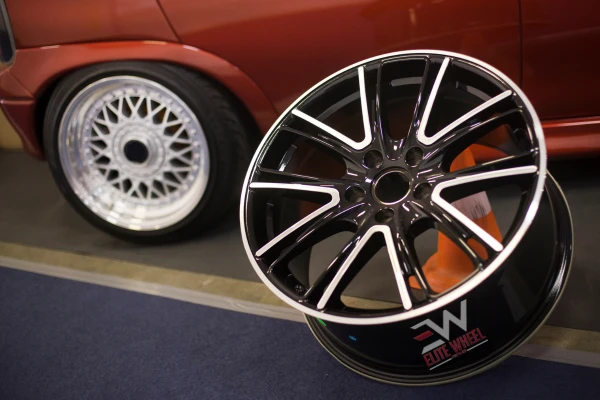

The Unsung Heroes of Your Vehicle
Wheels and tires are often the unsung heroes of any vehicle. They don't get the same attention as the engine or sleek exterior design, but they play a crucial role in your vehicle's performance, safety, and overall aesthetics. Imagine a car with a powerful engine but worn-out tires, or a beautifully designed vehicle with mismatched wheels – it just wouldn't work. To appreciate the significance of wheels and tires, let's delve deeper.
Safety and Performance Depend on Them
Safety is paramount when it comes to automobiles, and your wheels and tires have a direct impact on it. Tires with good tread depth ensure proper grip on the road, preventing accidents caused by skidding or loss of control. Additionally, they contribute to braking efficiency, making sure you can stop when you need to. On the performance front, the right set of wheels and tires can enhance your vehicle's handling, acceleration, and fuel efficiency.
Types of Wheels and Their Impact
Alloy Wheels: Style Meets Substance
Alloy wheels are a popular choice for many car enthusiasts. Made from a combination of aluminum and other metals, these wheels offer a blend of style and performance. They are lighter than steel wheels, which can improve handling and fuel efficiency. Additionally, alloy wheels often come in various designs, allowing you to personalize your vehicle's appearance. However, they tend to be more expensive and are more susceptible to damage from curbs or potholes.
Steel Wheels: The Reliable Workhorses
Steel wheels are the dependable workhorses of the wheel world. They are sturdy, durable, and less prone to damage than alloy wheels. Many trucks and commercial vehicles use steel wheels because of their ability to handle heavy loads and rough terrain. While they may not offer the same aesthetic appeal as alloy wheels, they are cost-effective and practical for everyday driving.
Hostile Forged Wheels: Unmatched Strength and Durability
Hostile Forged wheels are the top tier of wheel technology. They are crafted by compressing a solid piece of metal under extreme pressure, resulting in wheels that are incredibly strong and lightweight. These wheels are often found on high-performance sports cars and luxury vehicles. Their exceptional strength allows for better handling and performance, while their lightweight nature reduces unsprung weight, improving overall ride quality. However, the price tag on forged wheels can be steep, making them a luxury reserved for enthusiasts and high-end vehicles.
Tires - More Than Just Rubber
Types of Tires: Matching the Right Tread to Your Needs
Tires are not just black rings of rubber; they are highly engineered components with different designs and tread patterns to suit various driving conditions. There are several types of tires:
All-Season Tires: These are the most common and versatile tires, suitable for a wide range of weather conditions. They provide a good balance of grip, durability, and fuel efficiency.Summer Tires: Designed for warm weather, summer tires offer excellent grip on dry roads but are less effective in cold or wet conditions.Winter Tires: Winter tires are specially designed to provide maximum traction on icy and snowy roads. They have deeper treads and softer rubber compounds to stay pliable in cold temperatures.Performance Tires: These are for sports car enthusiasts who want superior grip and handling. However, they often wear out more quickly than other tire types.Off-Road Tires: Built for rugged terrain, off-road tires have deep, aggressive treads to provide traction on dirt, mud, and rocky surfaces.Choosing the right type of Special tire for your driving needs and the climate in your region is crucial for safety and performance.
Tire Maintenance: Extending the Lifespan
Proper tire maintenance is essential to ensure the longevity of your tires and your safety on the road. Regularly check your tire pressure to maintain optimal inflation, rotate your tires to ensure even wear, and inspect for signs of damage or excessive wear. Over time, even the best tires will wear out, so it's crucial to replace them when the tread depth reaches a minimum safe level. Ignoring tire maintenance can lead to reduced fuel efficiency, poor handling, and even blowouts.
The Impact of Tire Size on Performance
The size of your tires can significantly affect your vehicle's performance. A larger tire can improve traction, especially on rough terrain, while a smaller tire can improve acceleration and fuel efficiency. However, changing tire size can also affect your speedometer accuracy, so it's essential to consult your vehicle's manufacturer or a professional mechanic before making any significant changes.
Conclusion
In conclusion, wheels and tires are integral components of your vehicle, affecting its safety, performance, and aesthetics. Understanding the different types of wheels and tires available, as well as their maintenance requirements, is essential for a safe and enjoyable driving experience. Whether you prioritize style, off-road capability, or high-speed performance, there's a perfect wheel and tire combination out there for you. So, don't underestimate the power of these seemingly simple components – they are the foundation of your ride.










Sign in to leave a comment.