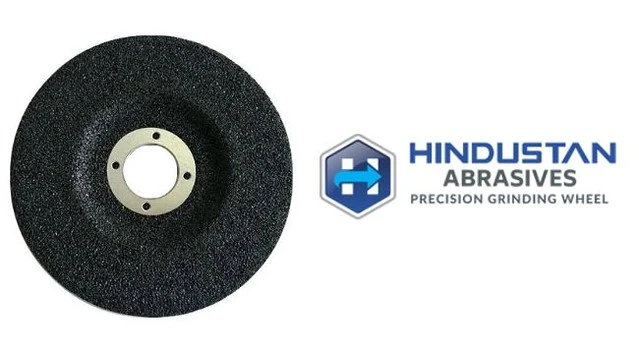

'What is grinding?' This fundamental question unlocks the realm of an essential industrial process, pivotal in material shaping and finishing across diverse sectors. Delving into the intricacies of grinding reveals its core processes, techniques, and its significance in various industries.
Defining Grinding:
Grinding, in essence, entails the utilization of abrasive particles to eliminate material from a workpiece's surface, refining its shape, and achieving specific surface qualities or dimensions. This intricate procedure primarily involves specialized machinery termed grinding machines or grinders.
The Grinding Process:
So, what is grinding in practice?
Material Removal: Grinding initiates by introducing an abrasive wheel or belt to the workpiece, generating friction that gradually removes material.
Precision Abrasion: The abrasive particles on the grinding wheel create microchips on the workpiece's surface, incrementally removing material with precision.
Control and Precision: This process grants meticulous control over material removal rates, ensuring precise dimensions and desired surface finishes.
Varieties of Grinding Techniques:
Surface Grinding: Used for achieving flat or contoured surfaces, surface grinding involves the use of a rotating grinding wheel to remove material from the workpiece's surface.
Cylindrical Grinding: Ideal for cylindrical shapes or concentric surfaces, cylindrical grinding utilizes specialized grinders with abrasive wheels for external or internal surface refinement.
Centerless Grinding: Operating without centers or chucks, centerless grinding facilitates high-volume material removal for cylindrical workpieces.
Tool and Cutter Grinding: A specialized process for sharpening cutting tools, ensuring precision and sharpness in tools across diverse industries.
Grinding's Role Across Industries:
Manufacturing: In the manufacturing sector, grinding is integral for producing precise components essential in automotive, aerospace, and machinery industries.
Construction: Grinding ensures accurate surface finishes and shapes in materials like concrete, cement, and stone, vital in construction and infrastructure development.
Medical and Precision Engineering: Grinding is crucial in manufacturing intricate parts for medical devices, implants, and precision engineering.
Metalworking and Fabrication: In metalworking, grinding aids in achieving specific surface qualities and shapes for metal parts in fabrication.
Factors Influencing the Grinding Process:
Grinding Wheel Composition: The wheel's composition, including abrasive type and grit size, significantly influences material removal rates and surface finish.
Workpiece Material: Different materials demand specific grinding techniques and wheel compositions for optimal results.
Machine Parameters: Grinding machine settings like speed, feed rate, and depth of cut play a pivotal role in determining grinding efficiency and precision.
Addressing Challenges in Grinding:
Heat Generation: To counter excessive heat during grinding that can alter material properties, optimized coolant usage and adjustments in grinding parameters are crucial.
Wheel Wear and Loading: Regular wheel dressing and selecting the appropriate wheel composition prevent issues associated with wheel wear and loading.
Conclusion:
Understanding 'What is grinding' unveils its significance as a foundational process in various industries. Its capability to achieve precise material shaping and finishing is invaluable. Embracing the complexities of grinding empowers industries to optimize this process for superior outcomes across multifaceted applications.







Sign in to leave a comment.