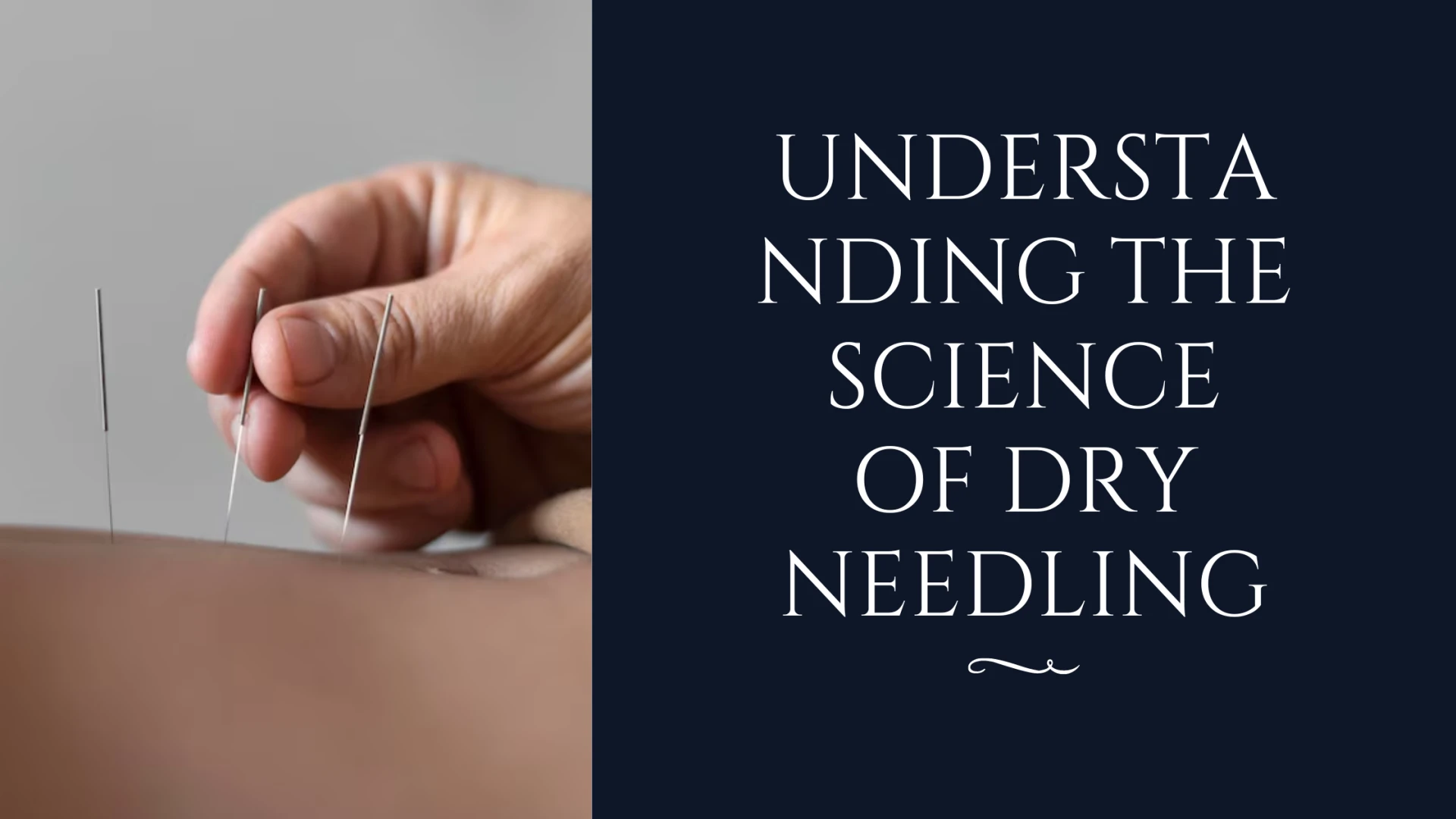

Dry needling is one of the most popular techniques when it comes to physiotherapy. This technique is known for reducing muscle pain and improving structural fitness. Physiotherapists often use this treatment along with a combination of others for structural fitness improvement.
When you choose the best physiotherapists in Kuala Lumpur, they will generally use this technique by involving and inserting fine needles in the trigger point of the muscles. The technique will hyper-irritate spots that are associated with a tight band of muscle fibers. It is essential to understand the science that works behind dry needling and get better knowledge about why it is so effective. It generally includes central and peripheral physiological effects that are essential for patients looking for practical, structural fitness improvement and immediate relief.
Peripheral physiological effect
The primary effect of dry needling in physiotherapy KL is its fantastic impact on inflammation and pain. When a muscle remains in a state of contraction, it results in capillary construction, which leads to reduced blood flow. This can decrease the energy supply in the muscles. The imbalance creates a crisis of energy and triggers the release of inflammatory mediators, which can stimulate painful sensations.
Choosing the best physiotherapist in Kuala Lumpur cannot only help you with dry needling techniques but also provide quite a range of therapies, including muscle flexibility therapy, non-invasive spinal treatment, and fitness coaching. The dry needling technique tends to be extremely effective when repeated sessions are taken for a few days.
Centralized effects of dry needling
Apart from the peripheral effect, dry needling also has central effects that influence modulation and pain perception. Centralized effects include modulation of condition and pain and altering physiological parameters like heart rate, frequency, and skin conductance. Moreover, just like any other manual therapy, dry needling greatly benefits from consistent sessions.
You can choose the dry needling technique with the combination of muscle flexibility therapy to get improved results.
Identifying trigger points
A critical aspect of dry needling is the identification of trigger points, which can be categorized as active or latent. Active trigger points cause spontaneous pain at rest, during movement, or upon compression. Latent trigger points, on the other hand, only produce pain when compressed or moved and do not cause spontaneous pain.
Conclusion:
Dry needling is known to be an amazing tool used by physiotherapists. Whether it is muscle flexibility therapy, structural fitness improvement, or non-invasive treatments, dry needling in combination with these therapies can be highly effective. If you are in search of the best physiotherapists in Kuala Lumpur, where you can get access to the best practitioners, you can get in touch with My Health Works.
Not only is it known to be famous for physiotherapy in KL, but you can also find experienced chiropractors in Kuala Lumpur. Irrespective of the problem you\'re facing, with them, you can receive personalized treatments that become valuable for your condition. They properly examine and then provide solutions accordingly. The treatment is different for different patients as they believe in comprehensive diagnosis and treating patients according to their conditions and requirements.











Sign in to leave a comment.