
Nowadays, when securing valuable assets and maintaining supply chain integrity is crucial, high-security seals play a vital role.
These seals provide a tamper-evident solution that protects against unauthorized access, theft, and tampering. They might seem simple however high-security seals employ advanced technologies and innovative features to ensure maximum protection. Further in this post, we will delve into the technology behind high-security seals and explore how they work.
Tamper-Evident Features
High-security seals are carefully designed with various tamper-evident features. They indicate if an attempt has been made to breach or tamper with the seal. These features include unique serial numbers, barcode or QR code markings, and special locking mechanisms. Any kind of tampering with the seal results in visible signs of damage, such as broken or altered seals, revealing unauthorized access.
Indicative Materials
These seals are manufactured using durable materials that are resistant to tampering, weather conditions, and physical damage. Materials that are commonly used to craft security seals include heavy-duty metals like steel or aluminum and high-strength polymers. These materials provide strength as well as integrity to the seal, making it difficult to compromise without leaving clear evidence.
Advanced Locking Mechanisms
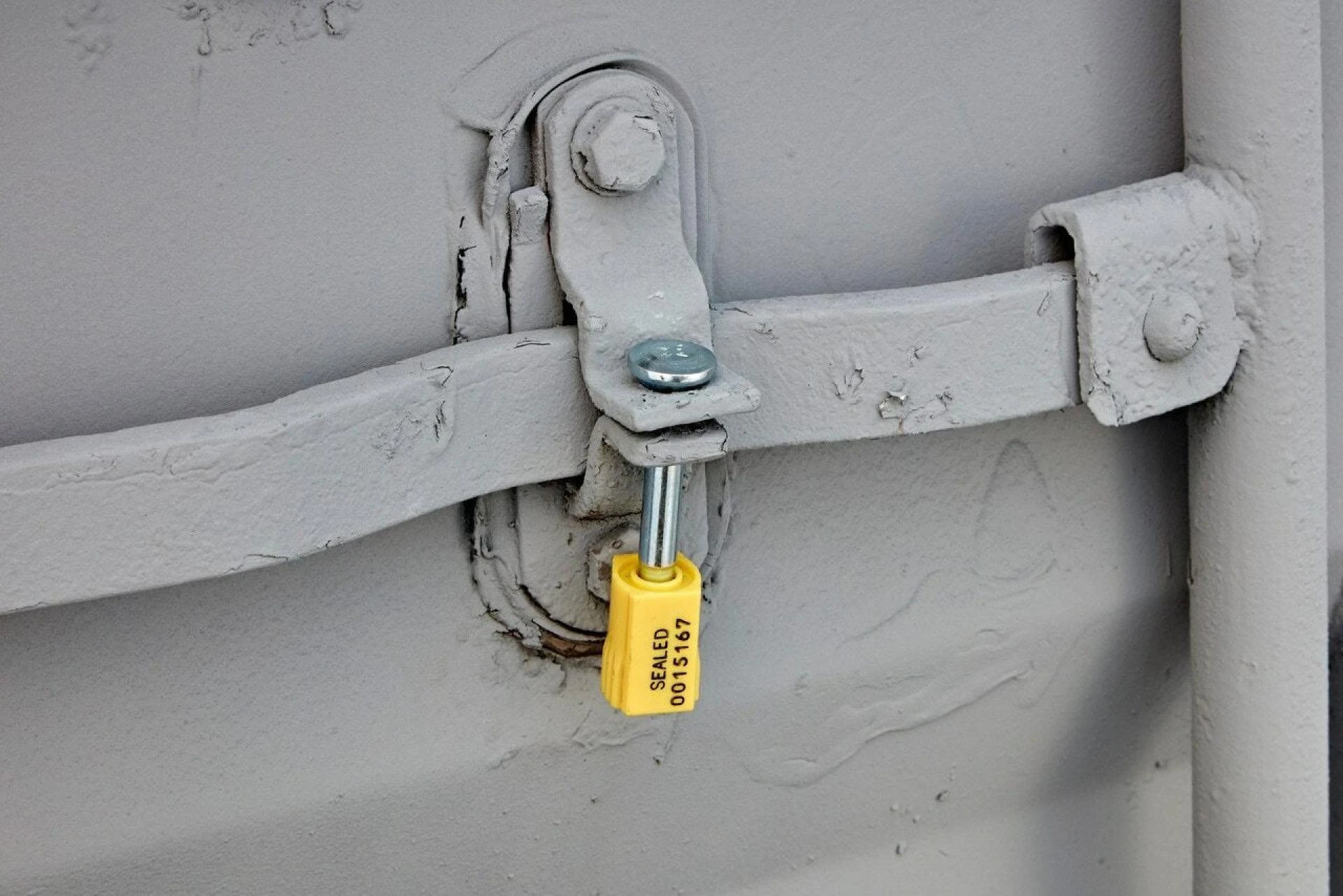
This mechanism ensures that the seal cannot be easily opened or manipulated without authorized access. Bolt seals, cable seals, and barrier seals are a few examples of advanced locking mechanisms. Cable seals use a cable that is looped through a locking mechanism and tightened, whereas bolt seals use a metal bolt that firmly locks into a housing. By erecting a physical barrier that must be overcome in order to get access, barrier seals are intended to prevent tampering.
Serial Numbers and Barcode/QR Code Technology:
Each high-security seal is allocated a unique serial number, frequently supplemented by barcode or QR code technology. Through the supply chain, this combination enables effective tracking and identification of the seal. Serial numbers can be manually recorded or scanned using barcode or QR code readers, ensuring precise and traceable information.
RFID and GPS Integration
Some high-security seals come with RFID (Radio Frequency Identification) or GPS (Global Positioning System) technology to improve security and tracking capabilities. RFID tags embedded within the seals can be easily scanned with RFID readers. This provides real-time tracking and authentication. By enabling real-time location tracking and effective asset monitoring during transit, GPS-enabled seals raise the bar on security.
Customization and Branding:
One of the best parts of high-security seals is that they can be customized with specific colors, logos, or markings, allowing companies to reinforce their brand identity and deter counterfeit attempts. This customization capability also facilitates in simple identification and separation of seals used by different organizations or businesses.
Bottom line
Incorporating cutting-edge technology, high-security seals go beyond simple physical barriers to offer a dependable and tamper-evident solution for protecting priceless assets. Businesses may secure their assets, uphold customer and partner confidence, and adopt strong security measures by understanding the technology underlying high-security seals.
Keep in mind that when it comes to high-security seals, it is crucial to select dependable providers who follow international standards and offer goods that are certified and reliable.





















Sign in to leave a comment.