

The healthcare industry operates as a complex and high-pressure environment where various professionals, including doctors, nurses, lab technicians, hospital attendants, researchers, and cleaning staff, work together to ensure optimal patient care. Each role is critical, and understanding the work culture and challenges faced by healthcare providers is essential for improving efficiency, collaboration, and patient outcomes.
Why Understanding Healthcare Work Culture Matters
Hospitals and healthcare centres function as integrated systems where miscommunication, inefficiencies, and lack of support can lead to compromised patient care. Recognizing the responsibilities and challenges of every healthcare worker allows administrators and leaders to implement strategies that enhance workflow, boost morale, and promote teamwork.
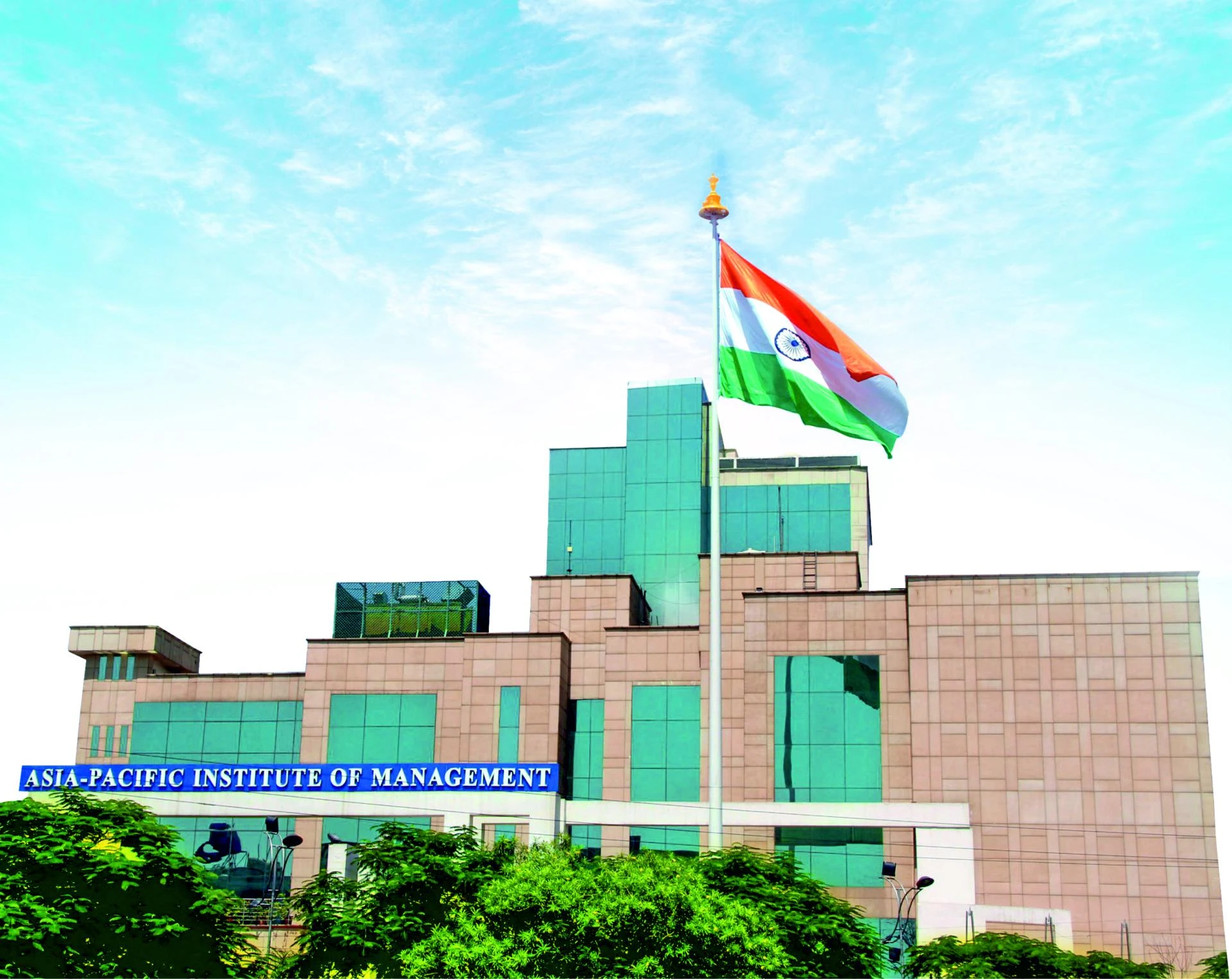
At Asia Pacific Institute of Management (APIM), we recognize the importance of healthcare management in building effective systems. Our AICTE-approved PGDM college in Healthcare Management and MBA in Healthcare Management in collaboration with RUDN University, Moscow, prepare professionals to navigate the dynamic and demanding healthcare sector by developing strategic leadership and operational management skills.
Challenges in Healthcare Work Culture by Role
1. Doctors: The Pillars of Patient Care
Doctors diagnose, treat, and manage patient health, often dealing with high-stress situations and long working hours. A surgeon, for instance, may spend hours in the operating room while also managing outpatient consultations and emergencies.
Challenges:
- High levels of stress and risk of burnout
- Limited patient interaction due to administrative work
- Need for continuous learning to stay updated with medical advancements
Solutions:
- Mental health wellness and work-life balance programs
- Efficient administrative software to reduce paperwork
- Encouraging participation in medical workshops and conferences
2. Nurses: The Backbone of Healthcare
Nurses spend the most time with patients, administering treatments, monitoring health conditions, and offering emotional support. In an ICU, for example, a nurse must respond quickly to sudden patient changes.
Challenges:
- Physically and emotionally exhausting work
- Long shifts, sometimes with understaffing
- Balancing technical tasks with personalized patient care
Solutions:
- Flexible scheduling and increased staffing levels
- Emotional resilience training and wellness programs
- Recognition and reward programs to appreciate their contributions
3. Lab Technicians: The Silent Contributors to Diagnosis
Lab technicians ensure accurate test results that guide medical treatments. A haematology technician, for example, must deliver error-free blood test reports to prevent misdiagnosis.
Challenges:
- High-pressure environment requiring extreme attention to detail
- Tight deadlines for test result deliveries
- Exposure to biohazards and chemical risks
Solutions:
- Implementing strict safety protocols and protective equipment
- Upgrading technology for faster and more accurate testing
- Offering stress management workshops
4. Hospital Attendants: Ensuring Patient Comfort and Support
Hospital attendants assist in patient mobility, comfort, and non-medical care. Their work, such as helping post-surgical patients move without pain, significantly impacts patient experiences.
Challenges:
- Physically demanding tasks
- Often underappreciated despite being essential to daily hospital operations
- Risk of injury while handling patients
Solutions:
- Training in safe patient-handling techniques
- Recognition programs for their valuable contributions
- Providing appropriate equipment to reduce physical labour
5. Medical Researchers: Innovating for a Better Future
Researchers drive medical advancements, developing new treatments, vaccines, and healthcare technologies. For example, a research team working on a new vaccine must undergo extensive trials before public use.
Challenges:
- Pressure to produce results under strict timelines
- Limited funding and resources for research
- Balancing research with academic and teaching responsibilities
Solutions:
- Securing increased funding through government and private sector partnerships
- Encouraging interdisciplinary collaboration
- Recognizing their work’s contribution to healthcare advancements
6. Cleaning Staff: The Unsung Heroes of Hospital Hygiene
Cleaning staff are crucial in preventing infections and maintaining hospital hygiene. Their detailed cleaning of surgical theatres is essential to preventing post-operative infections.
Challenges:
- High exposure to infectious diseases
- Physically demanding labour
- Often undervalued despite their vital role in patient safety
Solutions:
- Providing proper protective gear and training
- Ensuring fair wages and respectful treatment
- Publicly recognizing their efforts within the organization
Building a Collaborative and Efficient Healthcare System
Understanding the unique challenges of each healthcare role is the first step toward fostering a collaborative work culture. Here’s how administrators and healthcare managers can enhance operational efficiency:
1. Implementing Training and Workshops
Cross-departmental workshops help employees appreciate each other's roles. For example, a session where nurses learn about lab procedures fosters better communication and cooperation.
2. Encouraging Open Communication
Hospitals should create platforms for staff feedback, ensuring that concerns are addressed. Regular meetings between departments help optimize workflow and improve patient care.
3. Promoting Team-Building Activities
Social interactions beyond work help build strong teams. Organizing team outings or hospital-wide events can break down professional barriers and build trust.
4. Recognition and Reward Systems
Appreciating the contributions of all healthcare staff boosts morale and motivation. An “Employee of the Month” program can highlight outstanding contributions and encourage excellence.
5. Leveraging Technology for Efficiency
Healthcare technology solutions, such as hospital management software and telemedicine platforms, can streamline operations, reduce workload, and enhance patient outcomes.
The Role of Healthcare Management Education in Transforming Work Culture
A well-structured MBA / PGDM in Healthcare Management equips professionals with the skills to lead and optimize healthcare organizations effectively. At Asia Pacific Institute of Management, our MBA in Healthcare Management (RUDN University, Moscow) and PGDM in Healthcare Management programs focus on:
- Hospital Administration: Learning how to streamline hospital operations and enhance patient care.
- Health Policy and Regulations: Understanding compliance, medical ethics, and global healthcare trends.
- Technology Integration: Managing healthcare data, AI-driven solutions, and digital transformation.
- Human Resource Management in Healthcare: Addressing workforce challenges and improving staff collaboration.
Graduates from our programs are prepared to take on leadership roles in hospitals, healthcare start-ups, pharmaceutical companies, and government healthcare initiatives.
Conclusion
In healthcare, every role is interconnected, and understanding the work culture is essential to building a patient-centred system. By addressing the challenges faced by medical professionals and staff, hospitals can create an environment that fosters efficiency, teamwork, and superior patient care.
For those aspiring to lead and transform healthcare institutions, a PGDM in Healthcare Management from Asia Pacific Institute of Management, or an MBA in Healthcare Management with RUDN University, Moscow, provides the perfect foundation for success in this dynamic industry.
We at Asia Pacific Institute of Management encourage innovative thinking with an ethical paradigm. This is why we are considered a top rated PGDM College in Delhi and in North India. We encourage you to connect with us and grow at one of the best MBA colleges in Delhi.



























Sign in to leave a comment.