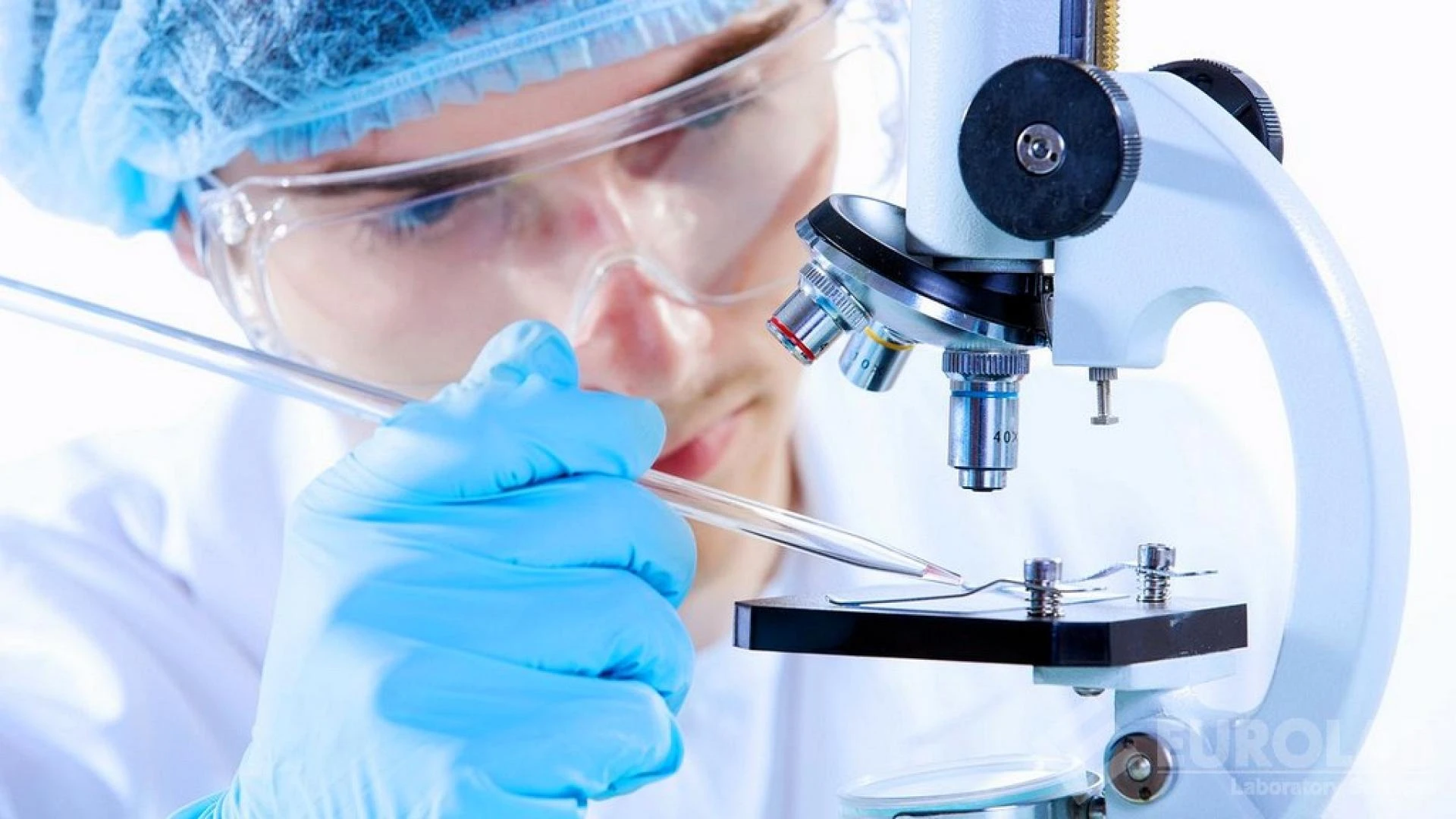

Tissue diagnostic refers to the process of examining and analyzing human tissue samples to identify diseases, disorders, or abnormalities. This is typically performed by pathologists, who examine the tissue samples under a microscope and make a diagnosis based on their observations. Tissue diagnostic plays a crucial role in the diagnosis and treatment of various medical conditions, including cancer, autoimmune disorders, infectious diseases, and more.
The importance of tissue diagnostic lies in its ability to provide accurate and specific information about a patient's condition. With accurate tissue diagnosis, healthcare providers can make informed decisions about treatment options, such as surgery, chemotherapy, or radiation therapy. Additionally, tissue diagnostic can also help identify whether a disease or condition is genetic, which can be useful for family planning and genetic counseling.
Understanding tissue diagnostic is important for patients and healthcare providers alike. By being informed about the process and its significance, patients can make more informed decisions about their treatment options and feel empowered in their healthcare journey.
Sign in to leave a comment.