
Vitiligo is a chronic autoimmune disorder that affects individuals of all ages, genders, and ethnicities. It is characterized by the destruction of color-producing cells, resulting in milky-white patches on the skin.
Understanding this condition is crucial for both those who have vitiligo and those who don\'t. In this article, we will explore the causes, symptoms, and treatment options for vitiligo.
What is Vitiligo?
Vitiligo is a skin condition characterized by the loss of melanin, the pigment that gives color to the skin, hair, and eyes. It results in the formation of white patches on the skin due to the destruction of melanocytes, the cells responsible for producing melanin. This depigmentation can occur in small patches or affect large areas of the body.
Causes of Vitiligo
- Autoimmune Response: Classified as an autoimmune disorder, vitiligo occurs when the immune system mistakenly attacks and destroys the body\'s own melanocytes.
- Genetic Factors: Although the exact cause of this autoimmune response is not fully understood, genetic factors are believed to play a significant role in predisposing individuals to vitiligo. Research suggests that certain genes may make a person more susceptible to developing vitiligo when exposed to specific triggers such as oxidative stress or environmental factors.
How Vitiligo Affects the Skin
The involvement of the autoimmune response in vitiligo leads to the progressive loss of pigment-producing cells, resulting in the characteristic white patches on the skin. This immune-mediated process disrupts the normal functioning of melanocytes, leading to depigmentation and subsequent changes in skin color.
Understanding vitiligo as an autoimmune disorder sheds light on its complex nature and helps guide research and treatment approaches aimed at modulating the immune response and restoring pigment production in affected individuals.
Causes of Vitiligo
Vitiligo is a complex condition with multiple causes, including genetics, autoimmune responses, and environmental factors. Here are the main factors contributing to vitiligo:
1. Autoimmune Response
In vitiligo, the immune system mistakenly attacks and destroys melanocytes, the cells responsible for producing skin pigment. This leads to depigmentation in affected individuals. The autoimmune response plays a significant role in the development and progression of the condition.
2. Genetic Factors
Genetics also plays a crucial role in vitiligo development. People with a family history of autoimmune diseases or vitiligo have a higher risk of developing the condition themselves. This highlights the influence of genetic factors.
3. Oxidative Stress
Oxidative stress, which occurs when there\'s an imbalance between harmful free radicals and protective antioxidants in the body, is believed to contribute to melanocyte destruction in vitiligo. Various factors like exposure to chemicals, industrial solvents, and psychological stress can trigger oxidative stress, worsening the condition.
4. Environmental Triggers
Certain environmental factors have been associated with the onset and progression of vitiligo. These include exposure to specific chemicals, industrial compounds, and emotional stress. While not everyone affected by these triggers will develop vitiligo, they can potentially initiate or worsen depigmentation in susceptible individuals.
Understanding these underlying causes is crucial for developing effective treatment approaches and increasing awareness about the complexity of vitiligo. By considering both genetic predisposition and environmental influences, healthcare providers can provide more personalized care for individuals with vitiligo.
Symptoms of Vitiligo
Vitiligo presents with several distinct symptoms, primarily characterized by depigmentation of the skin, hair, and mucous membranes. This condition leads to the loss of natural skin color, resulting in milky-white patches that can occur on any part of the body. The depigmentation may also affect the hair, causing premature graying or whitening. Additionally, mucous membranes inside the mouth and nose can also lose their pigmentation.
Individuals with vitiligo are more susceptible to painful sunburns due to the lack of melanin protection in affected areas. Without the natural barrier provided by melanin, the skin becomes vulnerable to UV radiation, leading to increased sensitivity and a higher risk of sunburn.
In some cases, vitiligo can also impact vision. Changes in pigmentation around the eyes may affect visual perception, requiring individuals to seek specialized care to address any related concerns.
These symptoms not only affect an individual\'s physical appearance but can also have a significant impact on their emotional well-being. Understanding these manifestations is crucial for identifying and effectively managing vitiligo.
Treatment Options for Vitiligo
1. UV Light Exposure
UV light exposure has been widely used as a treatment for vitiligo, particularly for localized depigmentation. This therapy aims to stimulate the melanocytes in the affected areas to produce pigment and restore color to the skin. The process involves exposing the depigmented skin to UVB or UVA light, either from natural sunlight or artificial sources such as phototherapy lamps.
How UV Light Therapy Works
- Stimulating Melanocyte Activity: UV radiation activates the melanocytes in the skin, prompting them to produce melanin and distribute it evenly across the affected areas.
- Reversing Depigmentation: By encouraging the production of melanin, UV light therapy can help reverse the depigmentation process, leading to a more uniform skin tone.
- Combating Autoimmune Response: UV light exposure may also modulate the immune response in the skin, potentially reducing the autoimmune destruction of melanocytes in vitiligo.
Types of UV Light Therapy
There are two primary types of UV light therapy used for vitiligo treatment:
- NB-UVB (Narrowband UVB): This form of phototherapy delivers a specific wavelength of UVB light that has been found to be effective in stimulating pigment production and is associated with fewer side effects compared to other forms of phototherapy.
- PUVA (Psoralen plus UVA): PUVA therapy combines UVA exposure with psoralen, a photosensitizing medication that makes the skin more responsive to UVA light. This method is often used for more extensive cases of vitiligo.
Considerations and Precautions
While UV light therapy can be beneficial for many individuals with vitiligo, it\'s essential to consider certain factors:
- Treatment Duration: Achieving noticeable results typically requires multiple sessions over several months. Consistency and adherence to the treatment schedule are crucial for effectiveness.
- Side Effects: Potential side effects include temporary redness, itching, and dryness of the treated skin. Long-term use may increase the risk of premature aging and skin cancer.
- Consultation with Dermatologist: Before starting UV light therapy, it\'s important to consult with a dermatologist who can assess your suitability for this treatment and provide personalized recommendations based on your medical history and skin type.
UV light exposure stands as a valuable option in the comprehensive management of vitiligo. Its ability to stimulate pigment production and modulate immune responses contributes to its effectiveness in halting depigmentation progression and promoting repigmentation. However, individual responses vary, and consultation with a healthcare professional is essential to determine the most suitable treatment approach for each person.
2. Medications for Color Restoration
When it comes to vitiligo treatment, there are various options available to patients who are seeking color restoration in depigmented areas. These medications aim to restore pigmentation and even out the skin tone. Here is an overview of the topical and oral medications commonly used in vitiligo treatment:
Topical Corticosteroids
- These medications are applied directly to the affected areas of the skin and work by reducing inflammation and suppressing the immune response.
- They help to encourage repigmentation in the depigmented patches.
- Examples of topical corticosteroids include clobetasol propionate, betamethasone dipropionate, and mometasone furoate.
Calcipotriene (Dovonex)
- This topical medication contains a synthetic form of vitamin D and is often used in combination with corticosteroids.
- It helps to regulate cell growth and differentiation, promoting repigmentation in vitiligo patches.
Tacrolimus and Pimecrolimus (Calcineurin Inhibitors)
- These topical medications work by suppressing the immune system and reducing inflammation in the affected areas.
- They are particularly useful for treating vitiligo on sensitive areas such as the face and genitalia.
In addition to these topical medications, oral medications may also be prescribed for more extensive or widespread cases of vitiligo:
- Psoralen plus Ultraviolet A (PUVA) Therapy: This treatment involves taking a medication called psoralen, which makes the skin more sensitive to light, followed by exposure to UVA light. The combination helps stimulate repigmentation in the affected areas.
- Excimer Laser: This targeted laser therapy delivers high-energy ultraviolet B (UVB) light specifically to the depigmented patches, stimulating pigmentation production.
It\'s important to note that these medications should only be used under medical supervision, as they may have potential side effects and require careful monitoring. Your dermatologist will assess your specific condition and recommend the most appropriate treatment plan for you.
By exploring these medical interventions, individuals with vitiligo can take steps towards restoring color in their depigmented areas and improving their overall quality of life.
3. Other Medical Interventions
There are other medical interventions available for the treatment of vitiligo aside from UV light exposure and medications. These interventions aim to restore pigmentation and modulate the immune response in individuals with vitiligo. Some of these interventions include:
- Surgical procedures like skin grafting: Skin grafting involves taking healthy skin from one area of the body and transplanting it onto depigmented areas. This procedure can be effective in restoring color to the affected areas, especially in cases where other treatments have not been successful. However, it is important to note that skin grafting may not be suitable for everyone and should be discussed with a dermatologist.
- Depigmentation therapy: Depigmentation therapy is an option for individuals who have extensive vitiligo and wish to achieve a more uniform skin tone. This treatment involves using topical creams or ointments to remove the remaining pigment from unaffected areas, resulting in an overall lighter skin tone. It is important to note that depigmentation therapy is irreversible, and the decision to undergo this treatment should be made after careful consideration and discussion with a healthcare professional.
- Emerging treatment approach using JAK inhibitors: JAK inhibitors are a class of medications that have shown promise in treating autoimmune conditions, including vitiligo. These medications work by suppressing the immune response that leads to the destruction of melanocytes, the cells responsible for producing pigment in the skin. While research on JAK inhibitors for vitiligo is still ongoing, early studies have shown positive results in repigmentation of the skin.
It is important to consult with a dermatologist or healthcare professional to determine the most appropriate treatment options for your specific case of vitiligo. Treatment plans may vary depending on factors such as the extent of depigmentation, individual preferences, and medical history.
Remember, each person\'s experience with vitiligo is unique, and what works for one individual may not work for another. It is essential to have a comprehensive understanding of the available treatment options and work closely with healthcare professionals to find the most suitable approach for managing vitiligo.
Note: The content provided here is for informational purposes only and should not be considered as medical advice. Please consult with a qualified healthcare professional for personalized treatment recommendations.
Living with Vitiligo
Living with vitiligo can be challenging, both physically and emotionally. However, there are coping strategies that can help individuals manage the condition and improve their quality of life. Here are some important aspects to consider when living with vitiligo:
1. Self-Acceptance
Accepting and embracing one\'s unique appearance is an essential step in learning to live with vitiligo. It\'s important to remember that beauty comes in all forms, and having vitiligo does not diminish one\'s worth or value as a person. By cultivating self-acceptance, individuals can build resilience and confidence in their own skin.
2. Camouflage
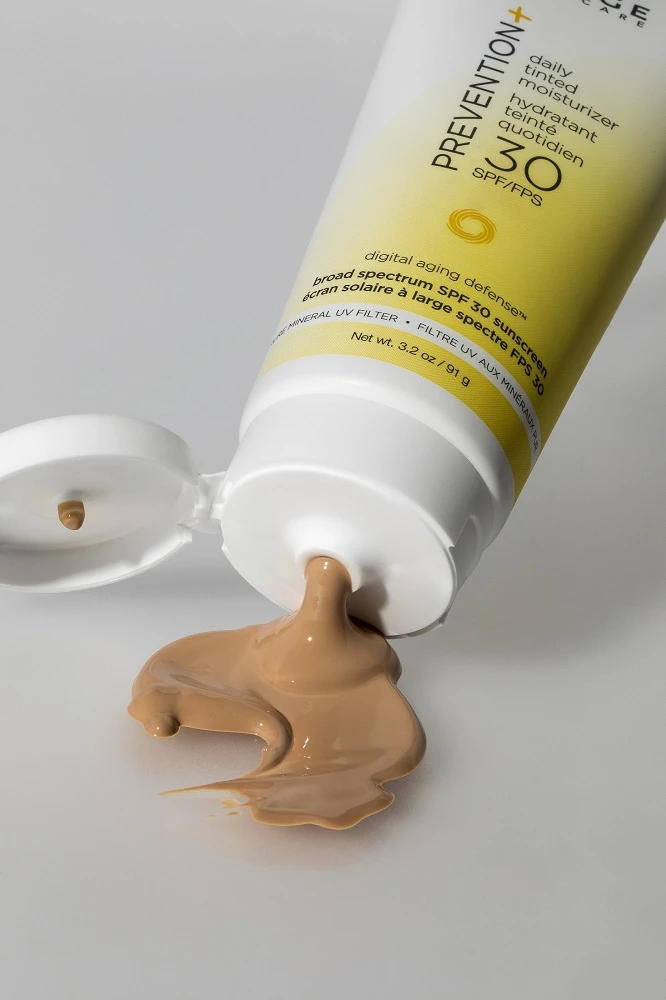
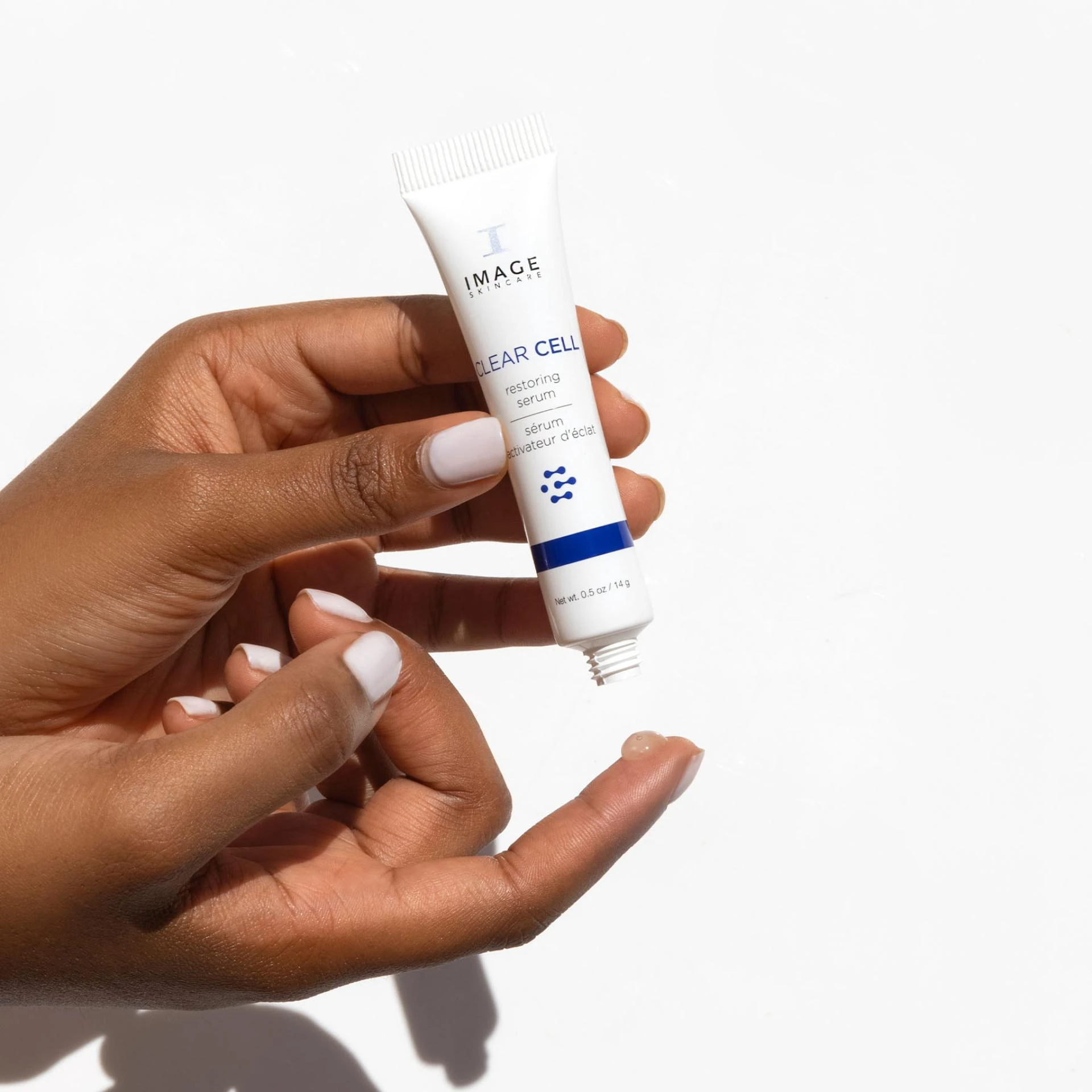
Some individuals may choose to use cosmetics or specialized camouflage products to minimize the appearance of depigmented patches. These products can help even out the skin tone and provide a sense of normalcy. It\'s crucial for individuals to find what works best for them and feel comfortable with their chosen method of camouflage.
3. Awareness-Raising and Advocacy
Engaging in awareness-raising activities can not only empower individuals with vitiligo but also educate others about the condition. This can help reduce stigma and promote acceptance in society. Joining support groups, participating in community events, or using social media platforms to share personal stories can be effective ways to advocate for greater understanding and support for the vitiligo community.
4. Seeking Psychological Support
Living with a visible skin condition like vitiligo can have a significant impact on an individual\'s mental health. It\'s important to seek professional psychological support if needed. Therapists or counselors experienced in working with individuals with chronic conditions can provide guidance and strategies for coping with emotional challenges related to vitiligo.
By implementing these coping strategies, individuals living with vitiligo can navigate the challenges associated with the condition more effectively. Remember, each person\'s journey is unique, and finding what works best for you is key to living a fulfilling life with vitiligo.
"You are not defined by your skin condition. Embrace your uniqueness and let your inner beauty shine through."
Madhulika Upadhyay: Inspiring Through Art
Madhulika Upadhyay is a leading vitiligo artist of the world, renowned for her artistic talents and her inspiring efforts to raise awareness about vitiligo. Her journey as an artist began as a means of personal expression and empowerment, but it soon evolved into a platform for advocating for those with vitiligo and challenging societal perceptions of beauty and normalcy.
Brief Profile of Madhulika Upadhyay
Madhulika Upadhyay is a prominent artist known for her captivating artwork that celebrates diversity and challenges conventional beauty standards. She has utilized her talent to empower individuals living with vitiligo, offering them a sense of representation and belonging in a world that often prioritizes unrealistic ideals of perfection. Through her art, she has become a beacon of hope for those struggling with the emotional impact of vitiligo, demonstrating that beauty transcends traditional norms.
Raising Awareness About Vitiligo
Madhulika\'s art serves as a powerful tool for educating others about vitiligo, shedding light on the experiences of individuals living with the condition. By sharing her personal journey and creating thought-provoking pieces, she encourages conversations about self-acceptance, diversity, and the importance of embracing one\'s unique characteristics. Her advocacy efforts extend beyond the canvas, as she actively engages with communities to foster understanding and support for individuals affected by vitiligo.
Madhulika Upadhyay\'s dedication to using art as a catalyst for change has made her an influential figure in the global vitiligo community. Through her creative endeavors, she continues to inspire others to embrace their individuality and challenge societal stigmas surrounding skin conditions.
Conclusion
Living with vitiligo can be challenging, but it\'s important to remember that you are not alone. Seeking medical attention and support are crucial steps in managing the condition effectively. Remember that:
- Early intervention is key: Seeking medical assistance at the earliest signs of vitiligo can help in managing the condition more effectively.
- Explore treatment options: There are various treatment options available, including UV light exposure, medications for color restoration, and emerging therapies like JAK inhibitors. Consulting with a dermatologist can help you find the best approach for your specific situation.
- Embrace self-acceptance: Building self-acceptance and connecting with others who share similar experiences can provide a sense of community and empowerment.
- Advocate for awareness: Joining advocacy efforts and raising awareness about vitiligo can contribute to building a supportive environment for individuals with the condition.
It\'s essential to take proactive steps to manage vitiligo and prioritize your overall well-being. Remember that seeking support from healthcare professionals and the vitiligo community can make a significant difference in your journey. With the right resources and a supportive network, living with vitiligo can be navigated with confidence and resilience.





Sign in to leave a comment.