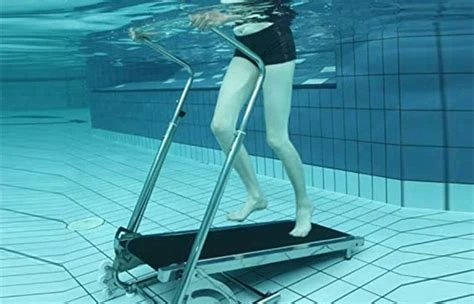
In the world of fitness and rehabilitation, new technology continues to make waves—literally. One such innovation that is gaining popularity is the underwater treadmill. As the name suggests, it’s a treadmill placed inside a water tank or pool. It allows users to walk or run against the gentle resistance of water. This technology has become a game-changer, especially for those recovering from injuries, athletes in training, and people looking for low-impact exercise.
The biggest advantage of an underwater treadmill is that it provides all the benefits of land-based exercise without putting stress on the joints. Water supports body weight and reduces impact while still giving resistance. This makes workouts both safer and more effective. Whether you’re recovering from surgery or simply want a unique workout experience, this tool can be a valuable addition to your fitness journey.
In this article, we’ll explore everything you need to know about the underwater treadmill. We’ll talk about how it works, its many benefits, and how different people—from seniors to athletes—can use it to their advantage.
What Is an Underwater Treadmill?
An underwater treadmill is a specialized exercise machine that operates inside a water tank. It looks similar to a regular treadmill but is designed to function underwater. The machine is placed in a chamber or pool, where water is filled up to the chest or waist level. The treadmill then starts moving, and the user walks, jogs, or runs on it while being submerged in water.
This equipment is often found in physical therapy clinics, rehabilitation centers, sports training facilities, and luxury fitness centers. Some models even include underwater cameras, jets for resistance, and monitoring systems to track heart rate and progress.
Why use water at all? Water adds natural resistance, making your muscles work harder without the pressure that dry land puts on your body. This reduces the risk of injury and helps build strength and flexibility. Plus, the cooling effect of water can make workouts feel more comfortable.
Many people are surprised at how effective underwater treadmills can be. Even walking at a slow pace in water can burn more calories and work more muscles than walking on land. As a result, this machine is not just for recovery—it’s also great for fitness and weight loss.
How Underwater Treadmills Help Recovery
One of the biggest uses of underwater treadmills is in rehabilitation. Whether it’s a sports injury, surgery recovery, or a chronic condition like arthritis, this equipment plays a big role in healing. That’s because water allows people to move in ways they might not be able to on land.
When a person is injured, the hardest part is usually regaining movement without causing further damage. Traditional treadmills or exercises can be too harsh. But with an underwater treadmill, the water supports a portion of body weight, reducing strain on the joints and bones. This makes it easier to start moving again—without pain.
For example, someone who recently had knee surgery might not be ready to walk on a normal treadmill. But in water, they can start walking sooner because their body feels lighter. The water helps reduce swelling and improves circulation, speeding up recovery.
Also, water has a natural “massage” effect. The gentle pressure from being submerged can decrease muscle soreness and improve flexibility. It’s not just about walking; even basic movements in water like leg lifts or side steps can make a big difference.
Doctors and physical therapists love underwater treadmills because they allow patients to exercise earlier, recover faster, and avoid complications. It gives people their strength and confidence back in a safe and controlled way.
Benefits for Athletes and Runners
Athletes and runners are always looking for ways to improve their performance while reducing the risk of injury. The underwater treadmill offers a perfect solution. It allows them to train hard while giving their joints a break.
Running on land can be tough on the knees, ankles, and hips. Over time, this stress can lead to overuse injuries. By switching some of their training to an underwater treadmill, athletes can maintain or even increase their endurance and strength—without the wear and tear.
The resistance of water makes the workout more intense. Even simple movements require more effort, which builds strength, balance, and coordination. Athletes can run faster, jump higher, and perform agility drills in water to gain an edge over their competition.
One major benefit is cross-training. Athletes recovering from an injury can continue their cardio workouts without worsening the problem. It keeps them in shape while they heal. Some professional sports teams even use underwater treadmills as part of their regular training program to prevent injury and extend careers.
Whether you're a marathon runner or a football player, training in water can help boost performance while protecting your body.
Ideal for Seniors and Low Impact Needs
As we age, our bodies don’t recover as quickly. Bones become weaker, and joints get stiffer. That’s why low-impact exercise becomes so important for seniors. An underwater treadmill is one of the best ways for older adults to stay active without hurting themselves.
Many seniors avoid exercise because of the fear of falling or pain. But in water, the risk of falling is almost zero. The buoyancy supports the body, reduces pressure on joints, and allows for smooth movements. It’s like moving in slow motion, but with all the benefits of a full workout.
Even simple walking on an underwater treadmill can help with muscle tone, balance, flexibility, and overall mobility. It also improves heart health and can help with weight management. Regular use can increase independence and reduce the need for assistance in daily life.
This kind of exercise is also good for people with conditions like osteoporosis, arthritis, or chronic back pain. It lets them move without worsening their condition. For people who are overweight, water supports their body and makes exercise more comfortable and less painful.
Underwater treadmills are a safe, gentle, and effective way for seniors to stay healthy and feel better every day.
Great for Weight Loss and Fitness
If your goal is to lose weight or get in better shape, an underwater treadmill might be the secret weapon you’ve been looking for. Many people think water workouts are only for therapy, but they’re also excellent for burning calories and building strength.
Water adds resistance, which means your muscles work harder with every step. Even at a slow pace, you’re getting a full-body workout. Your legs, arms, and core all have to engage to keep balance and move forward. This means more calories burned in less time.
Also, because it’s low-impact, you can work out longer without feeling pain or exhaustion. That leads to better consistency and faster results. People who have struggled with regular workouts often find water training to be more enjoyable and sustainable.
Another plus is the cooling effect of water. You don’t get hot and sweaty, and your body stays at a comfortable temperature. That makes it easier to stick to your workout routine.
Fitness centers and gyms that offer underwater treadmill sessions often report high satisfaction and better progress among clients. Whether you’re new to exercise or already active, this machine can push your fitness to the next level.
Buying or Using One at Home
With the rise in popularity of home fitness equipment, many people are considering getting an underwater treadmill for personal use. While it’s a bigger investment than regular treadmills, it can be worth it—especially if you’re recovering from injury or want daily low-impact exercise.
Home versions come in different sizes and types. Some are built into pools, while others come as separate machines with built-in water tanks. Features may include speed settings, resistance jets, digital displays, and more.
Before buying, it’s important to consider space, budget, and maintenance. You’ll need enough room to place the machine and access to plumbing or a water supply. Regular cleaning is needed to keep the water hygienic.
If purchasing is not possible, many rehab centers and wellness clinics offer sessions you can book by the hour. Some gyms and senior centers also have underwater treadmills as part of their facilities.
Always check with your doctor or physical therapist before starting any new exercise program, especially if you have medical conditions. They can guide you on how often to use the treadmill and what kind of exercises are best.
With the right setup, using an underwater treadmill at home can give you professional-quality workouts from the comfort of your own space.
Conclusion
The underwater treadmill is more than just a fitness trend—it’s a revolutionary tool for health, recovery, and performance. Whether you’re healing from an injury, looking to improve your athletic performance, or just want a gentler way to exercise, this machine has something to offer.
Its combination of low impact and high resistance makes it ideal for people of all ages and fitness levels. From seniors wanting to stay active, to athletes improving their training, the underwater treadmill is a smart, safe, and effective solution.
As awareness grows and technology improves, it’s likely we’ll see even more of these machines in homes and health centers. It’s not just about walking in water—it’s about moving forward in a better, healthier way.
Frequently Asked Questions (FAQs)
1. Is an underwater treadmill safe for everyone?
Yes, it’s generally safe for people of all ages. However, those with serious medical conditions should consult a doctor before starting.
2. Can I lose weight using an underwater treadmill?
Absolutely. Water resistance helps burn more calories, and the low-impact design allows for longer, more frequent workouts.



Sign in to leave a comment.