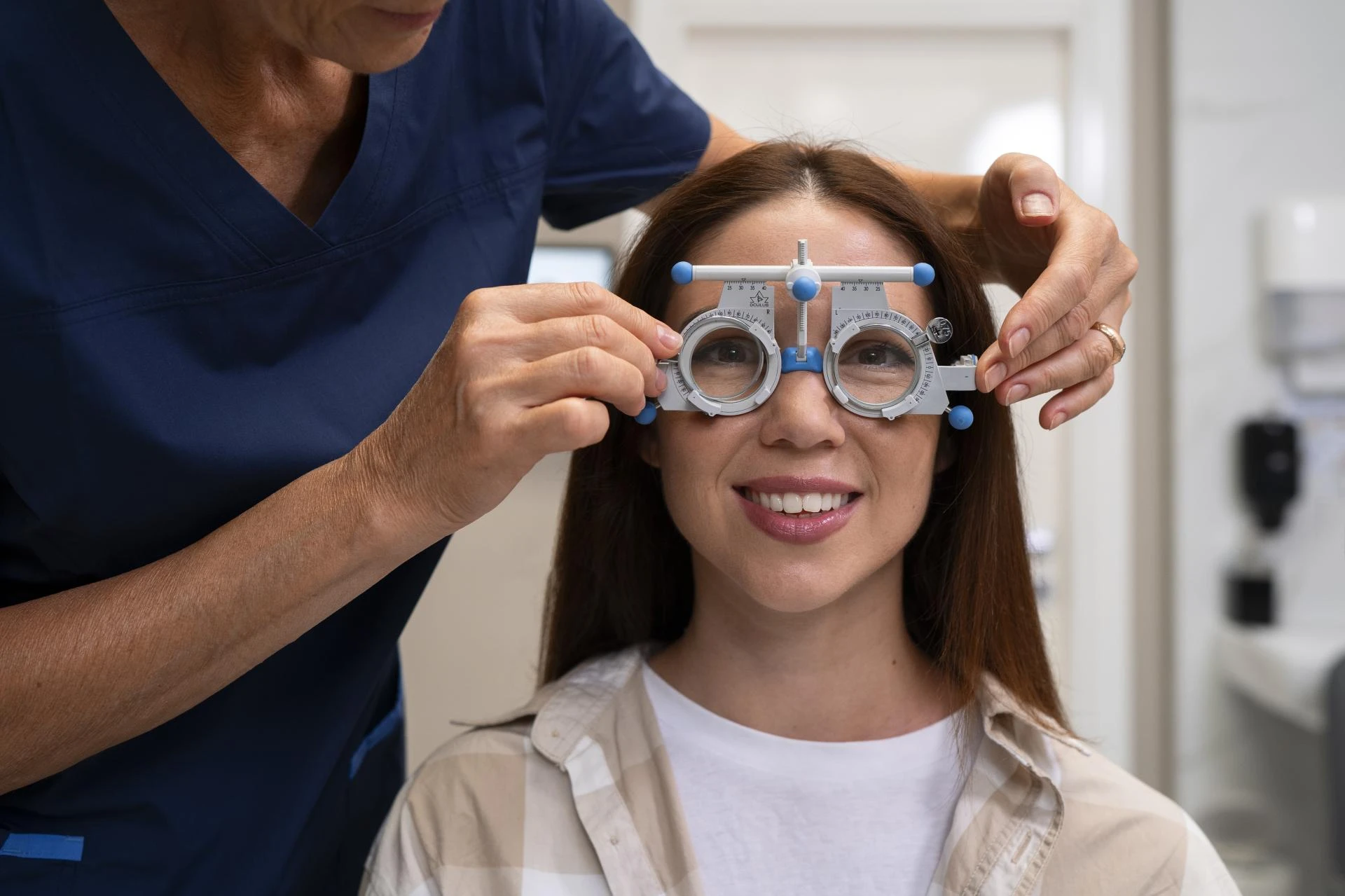

The field of optometry is a cornerstone of healthcare, blending science, technology, and patient care to enhance vision and improve lives. With rising vision-related issues like myopia and increased screen time, the demand for skilled optometrists in India is soaring. If you’re passionate about eye care and considering a rewarding career, a B.Sc. Optometry program could be your gateway to success. This blog explores the eligibility criteria, duration, and career scope of B.Sc. Optometry admission in India, offering insights for aspiring students eager to make a difference in vision health.
What is BSc Optometry?
B.Sc. Optometry is an undergraduate degree program focused on the science of vision care. It trains students to become optometrists—healthcare professionals who examine, diagnose, and manage disorders of the visual system. From prescribing corrective lenses to detecting eye diseases, optometrists play a vital role in primary eye care. The program combines theoretical knowledge with hands-on clinical training, equipping graduates to address diverse eye health challenges.
The course is ideal for students with a strong foundation in science and a desire to contribute to public health. With B.Sc. Optometry admission in India gaining traction, understanding the program’s structure and opportunities is essential for making an informed decision.
Eligibility Criteria for BSc Optometry in India
To pursue a B.Sc. Optometry course, candidates must meet specific eligibility requirements, which vary slightly across institutions but generally include the following:
· Educational Qualification: Candidates must have completed their 10+2 (Class 12) from a recognized board, with Physics, Chemistry, and Biology (PCB) as mandatory subjects. Some colleges also accept Mathematics (PCM) or a combination (PCMB).
· Minimum Marks: Most institutions require at least 50% aggregate marks in the science stream. Reserved category candidates may benefit from relaxed criteria, typically around 45%, depending on the college.
· Age Limit: Applicants should be at least 17 years old at the time of admission. While there’s usually no upper age limit, some colleges may specify one, so it’s wise to check individual requirements.
· Entrance Exams: Admission to B.Sc. Optometry is often merit-based, relying on Class 12 scores. However, certain universities conduct entrance exams like the Common University Entrance Test (CUET), All India Paramedical Common Entrance Test (AIPMCET), or institution-specific tests. Notably, the National Eligibility cum Entrance Test (NEET) is not required for optometry programs.
Aspiring students should verify eligibility with their target colleges, as requirements may differ. Preparing for entrance exams, if applicable, involves focusing on PCB subjects to ensure a competitive edge during B.Sc. Optometry admission in India.
Duration of the BSc Optometry Course
The B.Sc. Optometry program typically spans four years, structured to provide a comprehensive education in eye care. The course is divided into:
· Three Years of Academic Study: These years cover core subjects like ocular anatomy, physiology, optics, visual science, and clinical optometry. Students gain theoretical knowledge and practical skills through classroom learning, lab work, and simulated clinical scenarios.
· One Year of Mandatory Internship: The final year is dedicated to hands-on clinical training in eye hospitals, clinics, or optical centers. This internship allows students to apply their knowledge in real-world settings, working under the supervision of experienced optometrists and ophthalmologists.
The four-year duration ensures graduates are well-prepared to handle diverse vision care challenges. Some institutions may offer a three-year program with a six-month internship, but the four-year format is standard across most reputed colleges in India.
Curriculum and Key Subjects in BSc Optometry
The B.Sc. Optometry syllabus is designed to provide a robust foundation in eye care, blending theoretical and practical components. Key subjects include:
· Ocular Anatomy and Physiology: Understanding the structure and function of the eye and visual system.
· Optics and Refraction: Studying light behavior, lens design, and techniques for correcting refractive errors like myopia and hypermetropia.
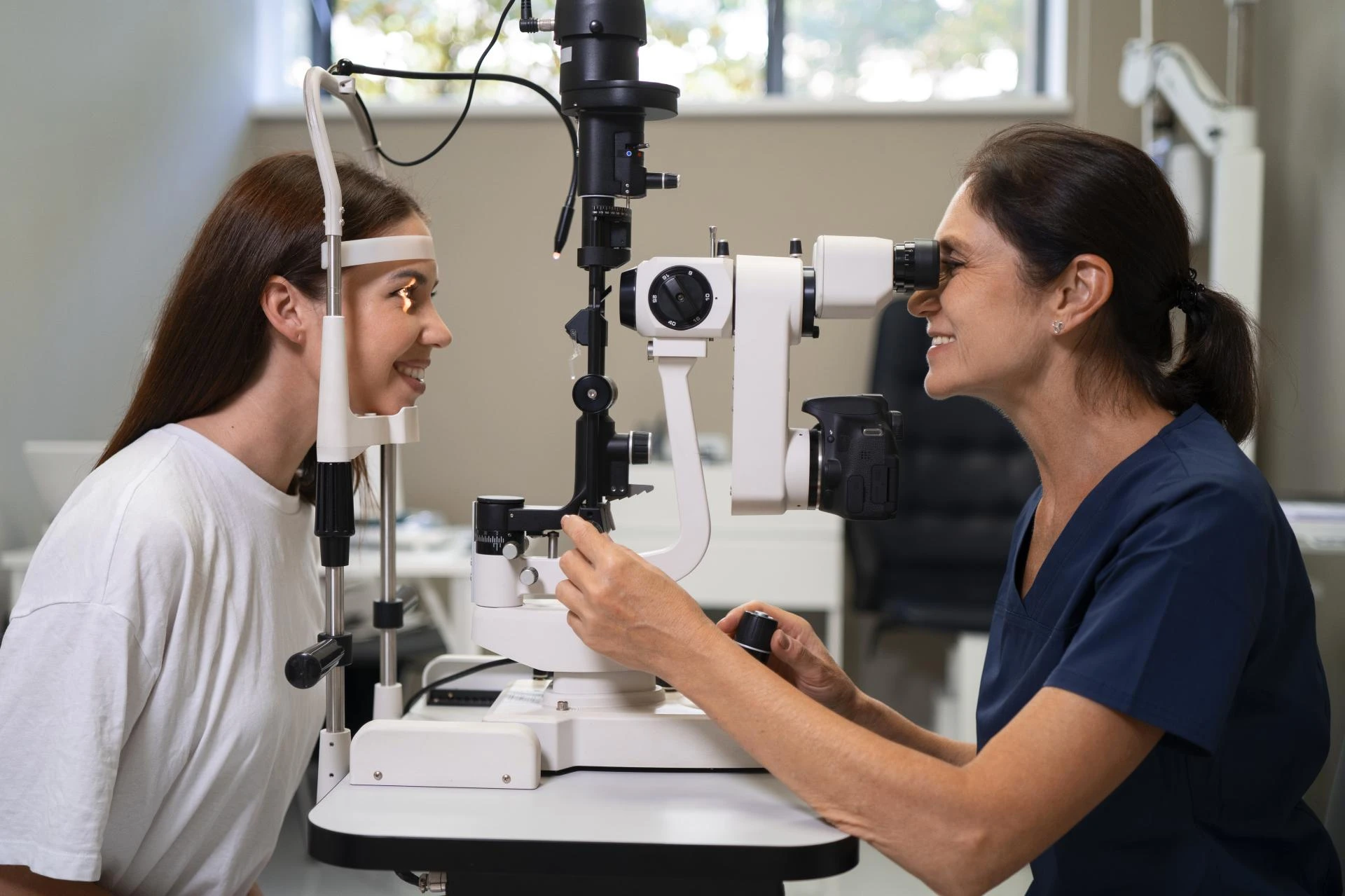
· Clinical Optometry: Training in eye examination techniques, vision testing, and prescribing corrective lenses.
· Ocular Diseases: Learning to diagnose and manage common eye conditions, such as glaucoma and cataracts.
· Contact Lenses and Low Vision Aids: Exploring fitting techniques for contact lenses and devices to assist patients with severe visual impairments.
· Pharmacology: Understanding medications used in eye care.
· Binocular Vision and Vision Therapy: Addressing issues like strabismus and providing therapies to improve visual coordination.
The curriculum also includes practical training in operating advanced diagnostic equipment and patient management. This holistic approach ensures graduates are job-ready upon completing their B.Sc. Optometry admission in India.
Career Scope After BSc Optometry
The career prospects for B.Sc. Optometry graduates are vast and dynamic, driven by the growing need for eye care professionals in India and abroad. Here’s a look at the diverse opportunities available:
Clinical Roles
· Optometrist: Conduct comprehensive eye exams, prescribe glasses or contact lenses, and diagnose eye conditions in hospitals, clinics, or private practices.
· Contact Lens Specialist: Focus on fitting and prescribing contact lenses for refractive correction or therapeutic purposes.
· Low Vision Specialist: Assist patients with severe visual impairments using specialized optical aids.
· Pediatric or Geriatric Optometrist: Work with children or elderly patients to address age-specific vision issues.
Corporate and Retail Opportunities
· Optical Consultant: Collaborate with eyewear brands like Lenskart or Titan Eye+ to guide customers on vision correction solutions.
· Lens Manufacturing Executive: Work with companies like Essilor or Zeiss in designing and producing lenses.
· Frame and Lens Designer: Innovate ergonomic eyewear for optical manufacturing firms.
Research and Academia
· Vision Researcher: Conduct studies on eye health, myopia, or digital eye strain in research institutes.
· Optometry Lecturer: Teach aspiring optometrists in universities or medical colleges after pursuing higher studies like M.Optometry or Ph.D.
Entrepreneurship
· Private Practice: Open an independent eye clinic or optical showroom, offering personalized vision care services.
· Optical Retail: Start a business specializing in eyewear or contact lenses.
The scope of optometry is expanding due to factors like an aging population, rising myopia prevalence (affecting 1 in 6 children aged 5–15 in India), and increased awareness of preventive eye care. Graduates can also explore international opportunities, as optometry is in demand globally.
Higher Education Options
For those seeking advanced expertise, pursuing higher studies after B.Sc. Optometry is a viable path. Options include:
· Master of Optometry (M.Optometry): Specialize in areas like clinical optometry, contact lenses, or low vision.
· M.Sc. in Optometry: Focus on research or advanced clinical practices.
· Ph.D. in Optometry: Pursue academic or research-oriented careers.
· MBA in Hospital Administration: Transition into healthcare management roles.
Higher education enhances career prospects, particularly for those aiming for academic, research, or leadership positions.
Why Choose BSc Optometry?
Optometry offers a unique blend of healthcare, technology, and patient interaction, making it an appealing career choice. Here’s why you should consider it:
· High Demand: With vision-related issues on the rise, optometrists are essential in addressing public health needs.
· Rewarding Impact: Helping patients improve their vision or manage eye conditions is deeply fulfilling.
· Work-Life Balance: Most optometrists enjoy standard working hours and weekends off, unlike some medical professions.
· Diverse Opportunities: From clinical practice to corporate roles, the field offers flexibility to align with your interests.
· Global Prospects: A B.Sc. Optometry degree opens doors to international careers in countries like the USA, UK, and Australia.
Navigating the admission process can be complex, but partnering with the Best Collage Admission Consultant can streamline your journey. These experts provide personalized guidance, helping you select top institutions and prepare for entrance exams, ensuring a smooth transition into your dream program.
Top Colleges for BSc Optometry in India
India is home to several prestigious institutions offering B.Sc. Optometry programs. Some renowned colleges include:
· All India Institute of Medical Sciences (AIIMS), New Delhi
· L.V. Prasad Eye Institute (LVPEI), Hyderabad
· Dr. Agarwal’s Institute of Optometry, Chennai
· Brainware University, Kolkata
· Max Institute of Allied Health Sciences, Delhi NCR
· Amrita Vishwa Vidyapeetham, Kochi
These colleges are known for their state-of-the-art facilities, experienced faculty, and extensive clinical exposure. Researching each institution’s admission process and aligning with the Best Collage Admission Consultant can help you secure a spot in a top-tier program.
How to Prepare for BSc Optometry Admission in India
Securing B.Sc. Optometry admission in India requires strategic planning. Here are some tips to get started:
· Focus on Academics: Aim for strong grades in Class 12, particularly in PCB subjects.
· Prepare for Entrance Exams: If your target college requires tests like CUET or AIPMCET, practice sample papers and revise core concepts.
· Research Colleges: Shortlist institutions based on reputation, clinical training opportunities, and placement records.
· Gather Documents: Keep mark sheets, certificates, and identification documents ready for the application process.
· Seek Guidance: Consult with admission experts to navigate application deadlines and counseling rounds.
Early preparation and informed decision-making are key to standing out in the competitive admission landscape.
Challenges and Considerations
While B.Sc. Optometry is a promising field, it comes with challenges. The course demands a strong grasp of complex concepts like optics and ocular anatomy, requiring dedication. Additionally, the internship year involves intensive clinical work, which can be rigorous. However, these challenges are outweighed by the opportunity to make a meaningful impact on patients’ lives.
Prospective students should also consider their long-term goals. If you aspire to perform eye surgeries, you’ll need to pursue an MBBS and specialize in ophthalmology, as optometrists are not qualified for surgical procedures. Clarifying your career path early can guide your educational choices.
The Future of Optometry in India
The optometry profession is evolving rapidly, driven by technological advancements and changing healthcare needs. Innovations like artificial intelligence in eye diagnostics and tele-optometry are reshaping the field, offering exciting opportunities for graduates. With India’s growing population and increasing focus on preventive healthcare, the demand for optometrists is projected to rise significantly.
By enrolling in a B.Sc. Optometry program, you’re not just choosing a career—you’re stepping into a field that’s transforming lives and shaping the future of eye care. Whether you dream of running your own clinic or contributing to cutting-edge research, this degree provides the foundation to achieve your goals.
Conclusion
A B.Sc. Optometry degree is a gateway to a fulfilling career in vision care, offering diverse opportunities in clinical practice, research, and entrepreneurship. With clear eligibility criteria, a structured four-year duration, and a promising career scope, it’s an excellent choice for science enthusiasts passionate about eye health. As you embark on your journey toward B.Sc. Optometry admission in India, thorough preparation and expert guidance can pave the way for success. Start exploring top colleges, align your goals, and take the first step toward a visionary career in optometry today.





























Sign in to leave a comment.