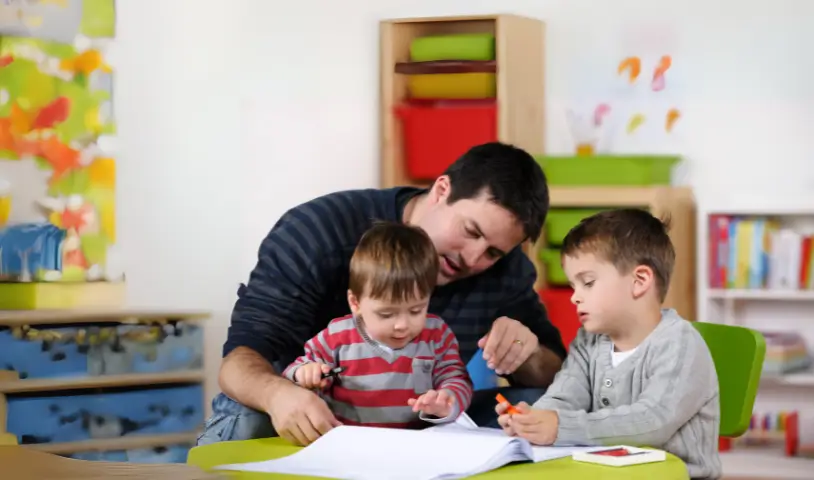

Applied Behavior Analysis (ABA) is a proven method that helps children, especially those with autism, learn important life skills. While many think ABA only happens in clinics, the truth is, a lot of progress can be made right at home. Parents play a powerful role in shaping daily learning. With the right tools and aba training for parents, home can become a place of growth, comfort, and positive behavior change.
What is ABA?
ABA stands for Applied Behavior Analysis. It is a science-based approach that helps improve specific behaviors like communication, social skills, self-care, and learning. ABA breaks down tasks into small, manageable steps and uses rewards to encourage good behavior.
Why Is ABA Useful at Home?
The home is where children spend most of their time. Using ABA strategies at home helps children practice skills in real-life situations. This also helps parents stay involved in their child’s development and celebrate every little success.
The Role of Parents in ABA
Parents are the most constant people in a child's life. When parents use ABA techniques daily, it increases the child’s learning speed. From morning routines to mealtime behavior, parents can apply ABA in almost every moment of the day.
Getting Started: Understanding Your Child’s Needs
Before starting, it’s important to observe your child’s behavior. What are they struggling with? What are their strengths? Identifying patterns can help you know where to focus and how to measure progress.
Setting Clear Goals
ABA works best with clear and specific goals. Instead of saying “I want my child to behave better,” try “I want my child to brush their teeth every night without reminders.” Small, clear goals make it easier to track progress and stay motivated.
Creating a Structured Routine
Children do well with routine. A consistent schedule helps them feel safe and understand what is expected. Using visual schedules or picture charts can help children stay on track and reduce anxiety.
Reinforcement: Encouraging Good Behavior
One of the key parts of ABA is reinforcement. This means giving a reward right after a child shows a good behavior. The reward can be praise, a favorite toy, or extra playtime. Positive reinforcement helps children understand what behavior is good and worth repeating.
Managing Challenging Behavior
When a child misbehaves, try to understand why. Are they tired, hungry, or overwhelmed? ABA teaches us to look at the reason behind the behavior. Once you know the cause, you can teach better ways to communicate or handle frustration.
Teaching One Skill at a Time
Trying to teach too much at once can confuse a child. Focus on one skill at a time. For example, if you are teaching your child to say “please,” work on that until they are confident, then move to the next skill. Repetition and patience are key.
Using Everyday Moments as Learning Opportunities
Learning doesn’t need a classroom. Daily routines like getting dressed, cooking, or shopping offer great chances to teach new skills. Turn these moments into mini lessons by breaking tasks into steps and praising effort.
When You’re Not Alone: The Power of Virtual Help
Sometimes, parents need guidance. That’s where virtual aba therapy comes in. With online sessions, trained therapists can coach parents, answer questions, and provide support without needing to leave home. This makes expert help more accessible, especially for busy families or those in rural areas.
Tracking Progress Together
It’s important to keep track of your child’s progress. You can use a simple notebook or a mobile app to write down what worked and what didn’t. This helps you see improvement over time and decide what to focus on next.
When to Ask for Professional Help
While parents can do a lot, there are times when a professional’s help is needed. If your child’s behavior is dangerous, or if progress is very slow, talk to a certified ABA therapist. Combining home practice with expert advice gives your child the best support.
Connecting with Other Parents
You’re not alone in this journey. Joining parent support groups or online forums can help you share tips, feel supported, and learn from others who are also using ABA at home.
Being Patient and Kind to Yourself
Parenting is not easy, especially when helping a child with special needs. There will be good days and tough days. Celebrate every win, and don’t be too hard on yourself when things don’t go perfectly. You are doing a great job by just being involved and trying.
Conclusion
ABA doesn’t have to stay in clinics—it can grow right in your living room. With patience, structure, and support, parents can make a big difference in their child's life. Start with small steps and remember that every effort counts. With tools like aba training for parents and access to virtual aba therapy, the journey becomes easier and more effective.



























Sign in to leave a comment.