
In the fast-paced digital age, seamless communication between software applications is not just a luxury — it's a necessity. As businesses continue to adopt digital transformation, the demand for integration and connectivity between different platforms, tools, and systems has skyrocketed. This is where API Development Services play a critical role.
What Are API Development Services?
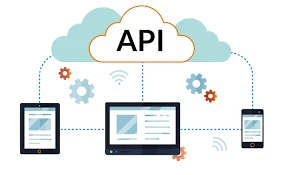
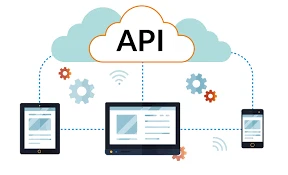
API (Application Programming Interface) Development Services involve the design, creation, deployment, and maintenance of APIs that allow software applications to communicate and exchange data efficiently. APIs act as intermediaries, enabling different software systems to "talk" to each other, regardless of the programming language or platform they are built on.
With expertly developed APIs, businesses can integrate third-party services, enable mobile applications, streamline workflows, and offer a consistent user experience across multiple platforms. APIs are foundational in enabling scalable and modular software systems that grow alongside your business needs.
Importance of APIs in Modern Business
APIs are the backbone of modern software ecosystems. Whether you're a startup building a new mobile app or an enterprise integrating legacy systems with cloud solutions, APIs provide a robust and scalable method to enhance connectivity and performance.
Here are a few reasons why APIs are so important:
- Enhanced Integration: APIs allow for smooth integration between internal and third-party systems, enhancing productivity and streamlining operations.
- Faster Development: Developers can build applications more quickly by leveraging existing services and functionalities via APIs.
- Scalability: APIs provide modular architecture, which makes it easy to scale applications as the business grows.
- Improved User Experience: By connecting different services seamlessly, APIs offer a smooth and efficient user experience.
Types of API Development Services
When it comes to API development, one size doesn't fit all. Here are the most common types of API services that businesses typically require:
1. Custom API Development
This involves creating APIs from scratch to meet specific business requirements. Custom APIs are often built for internal use or to expose certain data and services to external partners or customers.
2. RESTful API Development
REST (Representational State Transfer) is the most popular API architecture. RESTful APIs use HTTP methods and are known for their simplicity, scalability, and statelessness, making them ideal for web and mobile apps.
3. SOAP API Development
SOAP (Simple Object Access Protocol) APIs offer higher security and standardization, making them suitable for complex enterprise systems that require formal contracts and structured data exchange.
4. Third-Party API Integration
Businesses often need to integrate third-party services like payment gateways, CRMs, ERPs, or social media platforms. API developers ensure smooth and secure integration with these external services.
5. API Testing and Maintenance
API development doesn’t end at deployment. Continuous testing, monitoring, and maintenance are crucial to ensure the API remains functional, secure, and efficient.
Benefits of Professional API Development Services
Investing in professional API development offers numerous advantages:
- Security: Experts implement strong authentication, encryption, and access control to safeguard sensitive data.
- Performance: Well-developed APIs are optimized for speed and efficiency, ensuring minimal latency and high throughput.
- Reliability: Professional API services include rigorous testing and monitoring to ensure consistent uptime and functionality.
- Compliance: Industry-specific APIs are developed in accordance with relevant regulations, ensuring legal compliance.
Industries That Rely on API Development Services
API development is vital across various industries. Some key sectors include:
- E-commerce: For integrating payment gateways, shipping services, and inventory systems.
- Healthcare: For connecting EMR/EHR systems, telemedicine platforms, and health monitoring tools.
- Finance: For secure data exchange between banking apps, trading platforms, and compliance systems.
- Travel & Hospitality: For real-time data sharing across booking engines, flight systems, and CRM platforms.
- Education: For integrating learning management systems (LMS), content repositories, and virtual classrooms.
Choosing the Right API Development Partner
Not all API development providers are created equal. When selecting an API development partner, consider the following factors:
- Experience & Expertise: Choose a team with proven experience in building secure and scalable APIs across various industries.
- Technology Stack: Ensure the provider is skilled in using the right frameworks, tools, and languages for your specific needs.
- Support & Maintenance: A good API development company offers ongoing support, bug fixes, and performance monitoring.
- Customization: Your business needs are unique, and your API solution should be too. Look for partners who offer tailored solutions.
Future of API Development
The future of APIs is promising, with trends such as API-first development, microservices architecture, and serverless computing gaining momentum. APIs are also central to AI and IoT integration, enabling smart devices and intelligent systems to interact seamlessly.
As businesses continue to move towards automation and digital transformation, APIs will remain a cornerstone of innovation and growth. Investing in robust API development today prepares your organization for tomorrow’s challenges and opportunities.
Conclusion
In a world where software ecosystems are becoming increasingly interconnected, API Development Services offer the foundation for seamless communication and collaboration between systems. Whether you’re integrating third-party platforms, enhancing your existing infrastructure, or building a digital product from the ground up, professional API development is essential for success.
























Sign in to leave a comment.