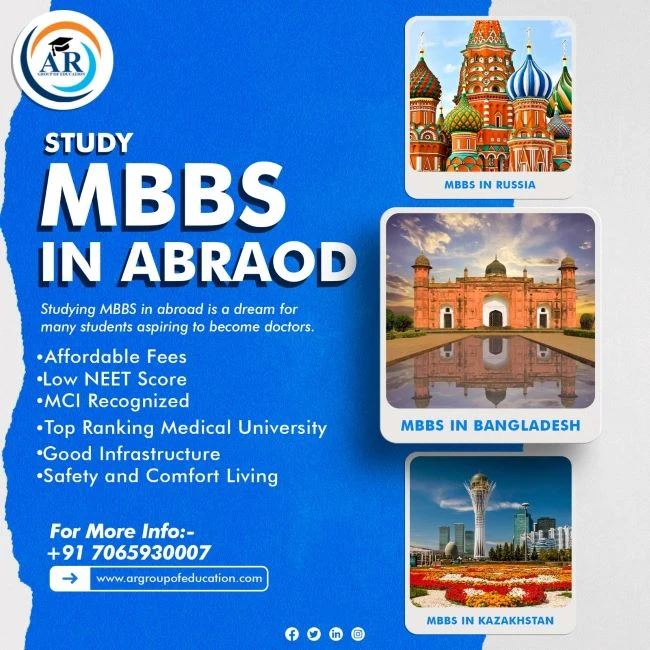

The dream of becoming a doctor is shared by many students around the world. However, the path to achieving this dream can be challenging, especially with the high competition and costs associated with medical schools in many countries. This is why more students are considering the option of studying MBBS Abroad. It not only provides quality education but also gives exposure to different cultures and healthcare systems.
Benefits of Studying MBBS Abroad
High-Quality Education: Many countries offer excellent medical programs that are recognized globally. Universities in Nepal, Russia, and the Philippines, among others, offer top-level medical education with modern facilities and experienced faculty.
Affordable Tuition Fees: One of the key benefits of studying MBBS Abroad is that it is affordable. For example, studying MBBS in Nepal is often less expensive than in many Western countries, making it a viable option for many students.
Global exposure: Studying abroad gives students the opportunity to interact with peers from different parts of the world, thereby expanding their horizons and helping them understand different medical practices and cultural nuances.
Advanced facilities: Many international medical schools are equipped with state-of-the-art laboratories, libraries, and teaching hospitals, which introduce students to hands-on training and advanced medical techniques.
No donation or capitation fee: Unlike many private medical colleges, foreign universities usually do not require any donation or capitation fee, making the admission process more transparent and accessible.
Why choose MBBS in Nepal
Nepal is emerging as a popular destination for students looking to study MBBS abroad. Here are some of the reasons for this:
Globally Recognised Degrees: Medical degrees obtained from Nepali universities are recognised by major global medical councils, including the World Health Organisation (WHO) and the Medical Council of India (MCI).
Programs Taught in English: Many Nepali universities offer MBBS programmes in English, making it easier for international students to study without having to learn a new language initially.
Affordable Living Costs: The cost of living in Nepal is relatively low compared to Western countries, allowing students to comfortably manage their expenses within a modest budget.
Cultural Affinity: Nepal shares cultural similarities with many neighbouring countries, making it easy for students from these regions to adjust and feel at home.
Extensive Clinical Training: Nepali medical universities offer comprehensive clinical training, allowing students to gain practical experience in real healthcare settings. This practical approach is crucial for developing competent medical professionals.
Top Universities for MBBS in Nepal
Tribhuvan University Institute of Medicine: One of the leading medical institutions in Nepal, offering high-quality education and excellent research opportunities.
Kathmandu University School of Medical Sciences: Known for its advanced medical research and experienced faculty, this university is a top choice for international students.
B.P. Koirala Institute of Health Sciences: With modern facilities and a supportive learning environment, B.P. Koirala Institute offers comprehensive medical education.
Patan Academy of Health Sciences: This university is renowned for its research and development in the medical field and offers comprehensive training programs.
Application Process for MBBS Abroad
Eligibility Criteria: Most universities require students to have completed their high school education focusing on science subjects, particularly biology, chemistry, and physics. Some universities may also require entrance exams.
Application Submission: Students must apply directly to the universities they are interested in. This process often involves submitting academic transcripts, a personal statement, and letters of recommendation.
Visa Process: After being approved, students must apply for a student visa. Requirements for visas may vary, so it is essential to check the specific guidelines for the country you plan to study in.
Financial Planning: Studying abroad requires careful financial planning. Students must consider tuition fees, living expenses, travel costs, and other miscellaneous expenses. Scholarships and financial aid options may be available.
Language Preparation: While many programs are taught in English, learning the local language can be beneficial for day-to-day interactions and clinical practice.
Conclusion
Studying MBBS abroad is a great option for students who want quality education, global experience, and affordable tuition fees. Nepal offers exceptional opportunities for medical aspirants. With recognized degrees, cultural affinity, and comprehensive clinical training, pursuing MBBS in Nepal can be a life-changing decision. Students should research their options thoroughly, plan their finances, and prepare for an exciting journey in medical education abroad.
By choosing to study MBBS abroad, students open the door to a world of opportunities, gaining not only academic knowledge but also invaluable life experiences that will shape their future careers in medicine.








Sign in to leave a comment.