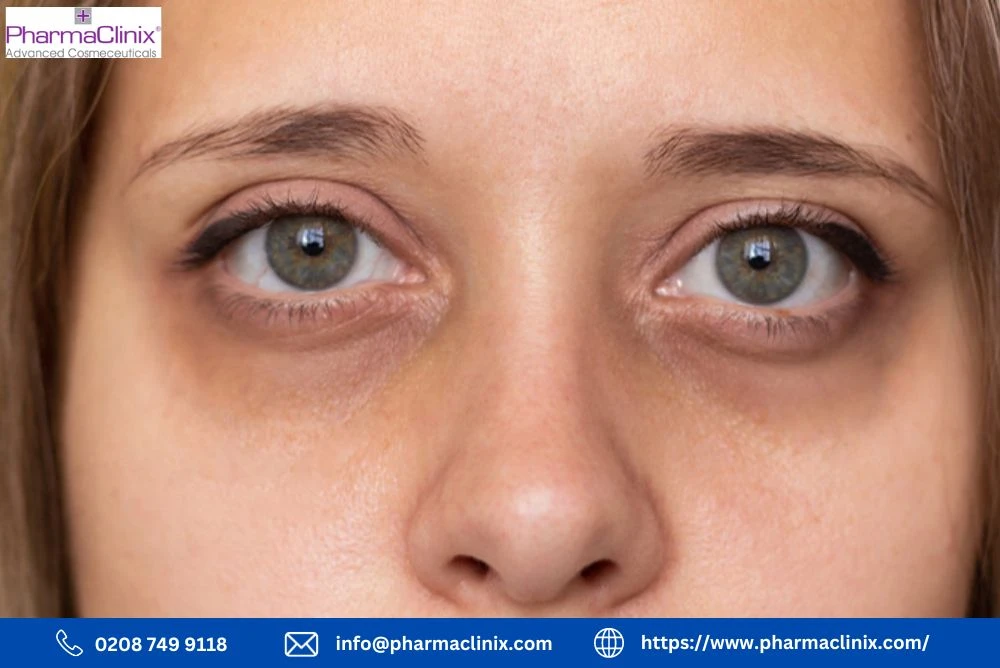

In today\'s fast-paced world, where appearances often play a significant role in shaping perceptions, hyperpigmentation around the eyes has become a prevalent concern for many individuals. This condition, characterized by the darkening of the skin surrounding the eyes, can affect people of all ages and ethnicities. Whether it\'s dark circles, sunspots, or melasma, the presence of hyperpigmentation can impact one\'s confidence and self-esteem. Understanding the causes and effects of hyperpigmentation around the eyes is crucial in finding effective ways to manage and treat this dermatological issue.
Why Does Hyperpigmentation Occur Specifically around Eyes?
The skin around the eyes is delicate and thin compared to other areas of the body. This thinness makes it more susceptible to damage and discoloration. Factors such as genetics, sun exposure, hormonal changes, and aging contribute to hyperpigmentation around the eyes.
Factors Contributing to Hyperpigmentation around Eyes
- Sun Exposure: Prolonged exposure to ultraviolet (UV) rays stimulates melanocytes, leading to increased melanin production and subsequent hyperpigmentation.
- Hormonal Changes: Fluctuations in hormone levels, especially during pregnancy or menopause, can trigger melanin synthesis, causing dark spots to form around the eyes.
- Genetic Predisposition: Some individuals may have a genetic predisposition to hyperpigmentation, making them more prone to developing dark circles or patches around the eyes.
- Aging: As we age, the skin loses collagen and becomes thinner, making blood vessels beneath the eyes more visible and contributing to a darker appearance.
Identifying Symptoms and Types of Hyperpigmentation around Eyes
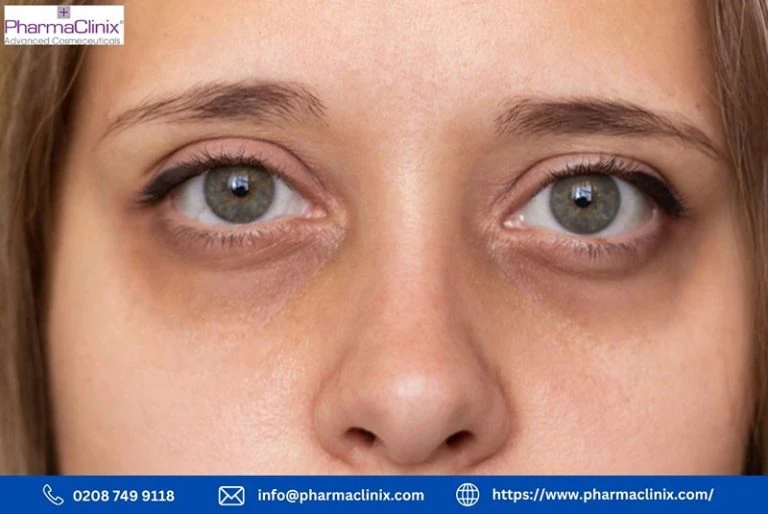
Symptoms of hyperpigmentation around the eyes include the presence of dark patches, uneven skin tone, and visible blood vessels. There are various types of hyperpigmentation, including:
- Dark Circles: Dark circles under the eyes are a common form of hyperpigmentation, often caused by genetics, lack of sleep, or dehydration.
- Sunspots: Also known as solar lentigines or age spots, these are dark, flat spots that develop due to prolonged sun exposure.
- Melasma: Hormonal changes, such as those occurring during pregnancy, can lead to melasma, characterized by brown or grayish patches on the face, including around the eyes.
Prevention and Lifestyle Changes
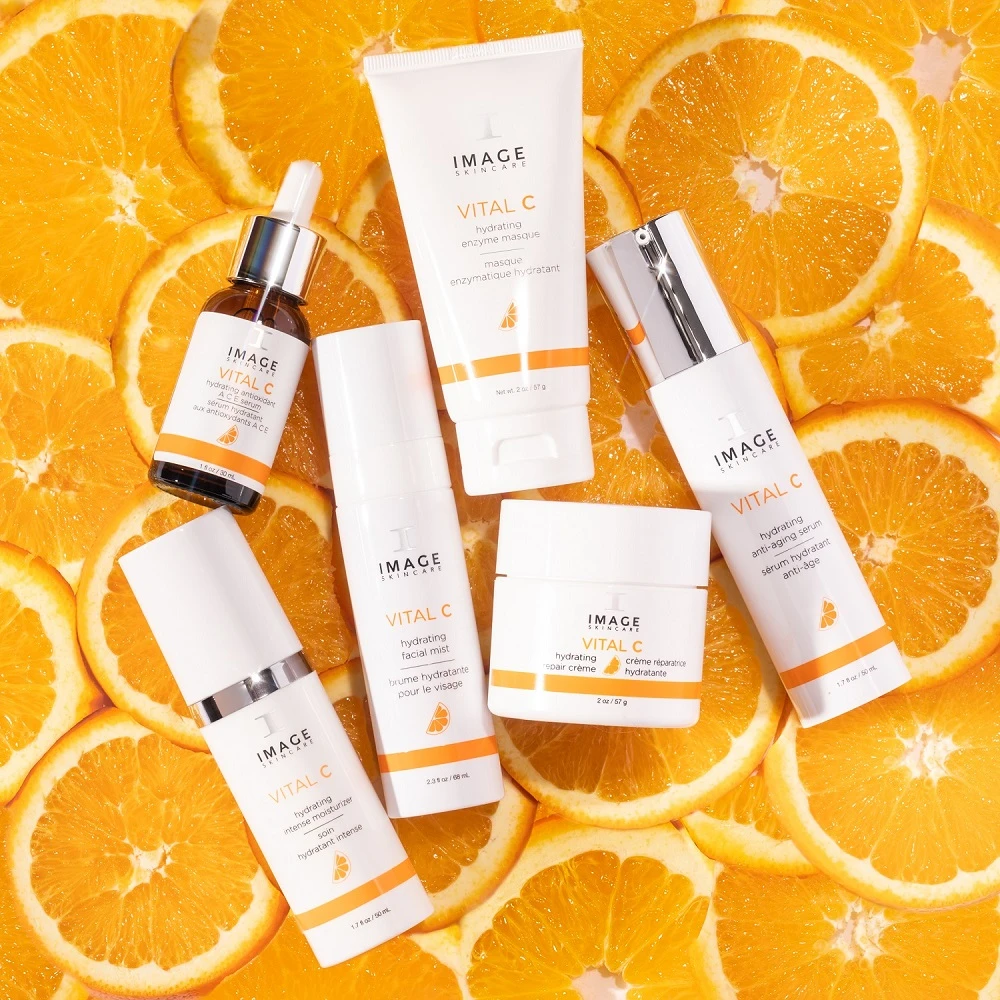
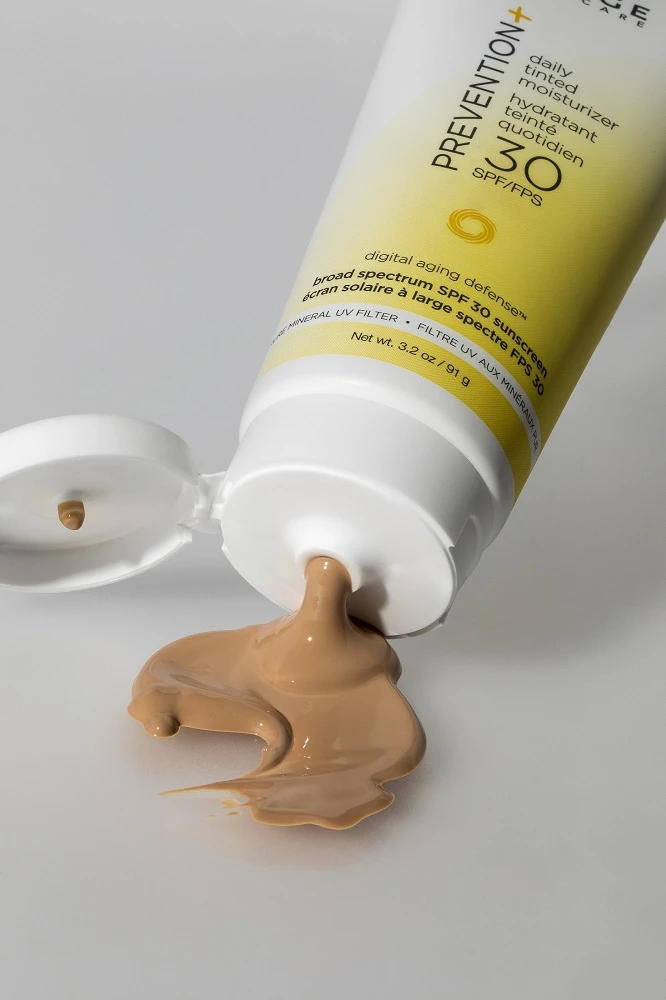
Preventing hyperpigmentation around the eyes involves adopting a comprehensive skincare routine and making lifestyle adjustments. Sun protection is paramount, with the regular use of sunscreen and wearing sunglasses to shield the delicate skin from harmful UV rays. Additionally, incorporating antioxidants and vitamin C into your skincare regimen can help combat oxidative stress and reduce melanin production.
Medical Treatments for Hyperpigmentation around Eyes
In cases where hyperpigmentation is stubborn or severe, medical treatments may be necessary. Topical treatments containing ingredients such as hydroquinone, retinoids, or kojic acid can help fade dark spots and even out skin tone. Chemical peels and laser therapy are other effective options for addressing hyperpigmentation around the eyes, promoting skin renewal and reducing melanin production.
Natural Remedies for Hyperpigmentation around Eyes
For those preferring a more natural approach, several DIY remedies and ingredients can help lighten dark circles and patches. Ingredients such as aloe vera, cucumber, lemon juice, and green tea possess skin-brightening properties and can be applied topically to reduce hyperpigmentation. However, it\'s essential to exercise caution and perform patch tests before using these remedies, as some individuals may experience adverse reactions.
Managing Hyperpigmentation in Daily Life
While treating hyperpigmentation, it\'s essential to adopt strategies for managing its appearance in daily life. Makeup techniques such as color correction and concealing can help camouflage dark circles and spots, boosting confidence and minimizing self-consciousness. Additionally, prioritizing self-care practices, such as getting adequate sleep, staying hydrated, and managing stress, can contribute to overall skin health and reduce the prominence of hyperpigmentation.
Frequently Asked Questions (FAQs)
Q: Is hyperpigmentation around the eyes reversible?
A: Yes, with the right treatments and lifestyle changes, hyperpigmentation around the eyes can be effectively managed and, in some cases, reversed.
Q: How long does it take to see results from topical treatments for hyperpigmentation?
A: Results may vary depending on the severity of hyperpigmentation and the chosen treatment. Generally, noticeable improvements can be seen within a few weeks to a few months of consistent use.
Q: Are natural remedies safe for treating hyperpigmentation around the eyes?
A: While natural remedies can be effective for some individuals, it\'s essential to use them cautiously and perform patch tests to avoid adverse reactions. Consulting with a dermatologist is recommended before trying any new treatment.
Q: Can lifestyle changes help prevent hyperpigmentation around the eyes?
A: Yes, adopting sun protection measures, maintaining a healthy skincare routine, getting adequate sleep, and managing stress can all contribute to preventing and reducing hyperpigmentation around the eyes.
Q: Are there any side effects associated with medical treatments for hyperpigmentation?
A: Side effects vary depending on the type of treatment used. Common side effects may include redness, irritation, and sensitivity to sunlight. It\'s crucial to follow your dermatologist\'s instructions and report any adverse reactions promptly.
Conclusion
In conclusion, hyperpigmentation around the eyes is a common cosmetic concern that can impact one\'s self-esteem and confidence. Understanding the factors contributing to its development, identifying symptoms, and exploring preventive measures and treatment options are crucial steps in effectively managing this condition. Whether through skincare routines, medical interventions, or natural remedies, addressing hyperpigmentation can lead to a brighter, more radiant complexion and improved well-being.





Sign in to leave a comment.