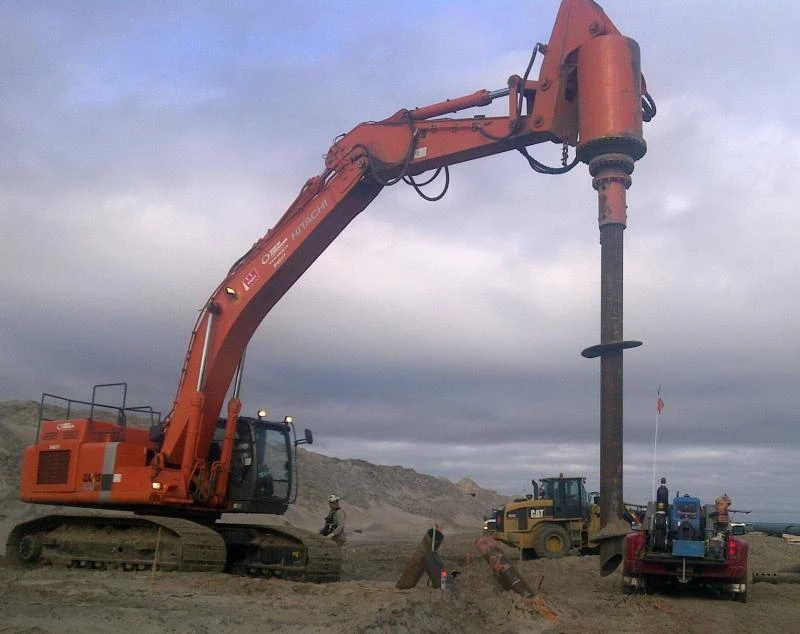

When it comes to providing a solid foundation for construction projects, the importance of choosing the right piling method cannot be overstated. One innovative and increasingly popular solution in the construction industry is screw piling. In this blog, we'll explore the ins and outs of screw piling technology, its benefits, and why it has become a game-changer in the realm of foundation engineering.
Understanding Screw Piles
The Basics of Screw Piling
Screw piers, also known as helical piles, are a type of deep foundation system that provides support by using helical-shaped plates or flights. These plates are attached to a central shaft, creating a screw-like mechanism that is drilled into the ground to achieve stability.
How Screw Piles Work
The installation process involves rotating the screw pile into the soil, effectively "screwing" it into the ground until the desired load-bearing capacity is reached. This method allows for quick and efficient foundation construction, minimizing environmental impact and reducing the need for extensive excavation.
Advantages of Screw Piling
1. Rapid Installation
One of the key advantages of screw piling is its rapid installation. Traditional piling methods may require more time and resources, but screw piling offers a quicker and more streamlined process.
2. Cost-Effective Solutions
The efficiency of screw piling translates into cost savings for construction projects. Reduced installation time and minimal site disturbance contribute to a more economical foundation solution.
3. Versatility in Soil Types
Screw piles are versatile and can be used in various soil conditions, including clay, sand, and loam. This adaptability makes them a reliable choice for a wide range of construction projects.
Applications of Screw Piles
1. Residential Construction
Screw piling has gained popularity in residential construction due to its speed and efficiency. It provides a stable foundation for homes, ensuring long-term structural integrity.
2. Infrastructure Projects
From bridges to telecommunications towers, screw piles are increasingly being utilized in various infrastructure projects. Their versatility and load-bearing capacity make them a valuable asset in large-scale constructions.
Environmental Considerations
1. Reduced Environmental Impact
Screw piling minimizes the environmental footprint of construction projects. The method requires less excavation, preserving the natural landscape and reducing soil disturbance.
2. Reusable and Recyclable Materials
Screw piles are often made from steel, a material that is both durable and recyclable. This not only ensures a long lifespan but also promotes sustainable construction practices.
Conclusion: The Future of Foundations
As construction methods continue to evolve, screw piling has emerged as a frontrunner in providing stable foundations for a variety of projects. Its advantages in terms of speed, cost-effectiveness, and environmental considerations make it a compelling choice for modern construction practices.
In conclusion, screw piling is not just a construction technique; it's a symbol of progress in foundation engineering. As the industry embraces innovation, the screw pile stands tall, proving its worth in the quest for stability in construction projects worldwide.









Sign in to leave a comment.