
Introduction
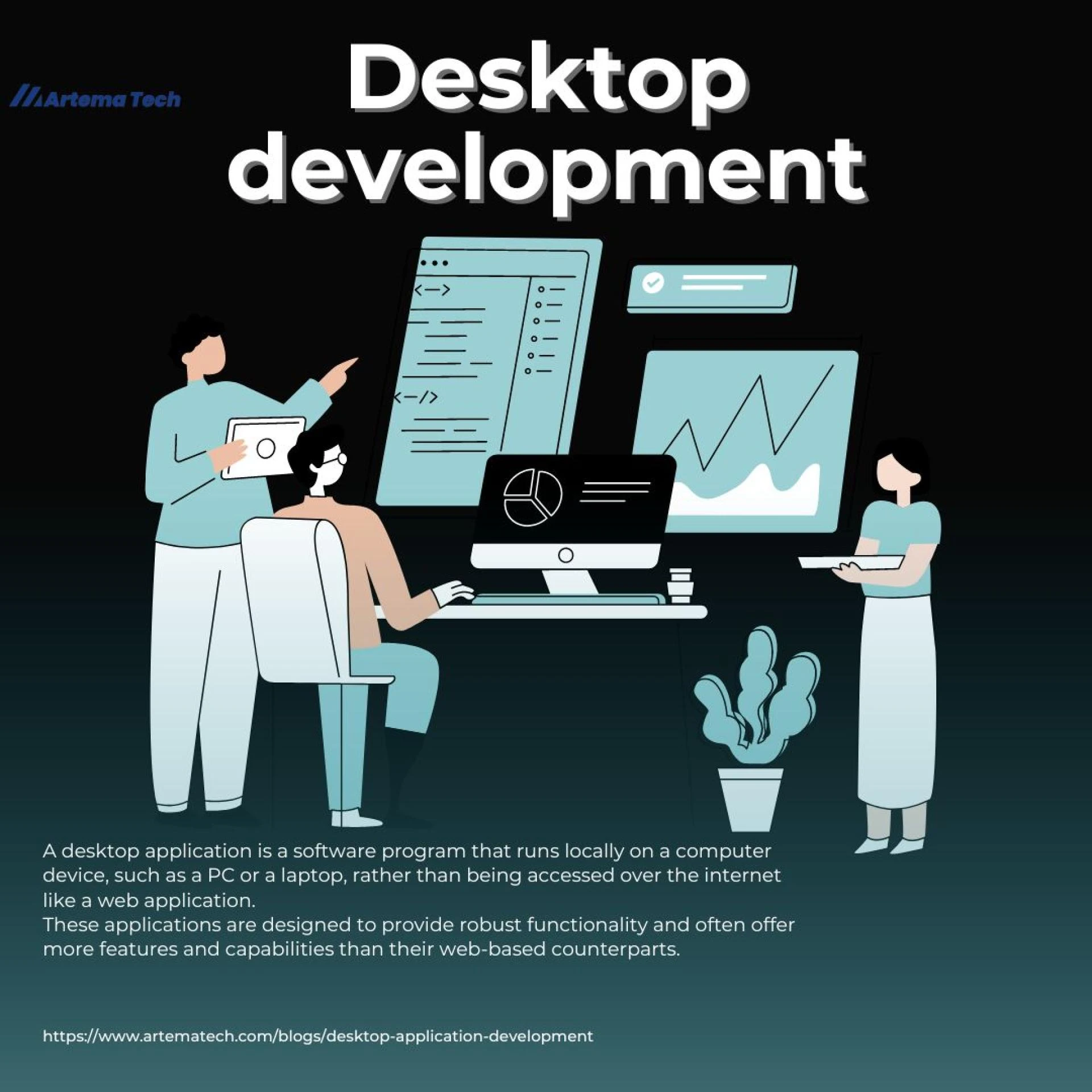
In today\'s rapidly evolving technological landscape, desktop applications remain a cornerstone of productivity and efficiency. These applications, designed to run on personal computers and laptops, offer numerous advantages that set them apart from web-based and mobile applications. Understanding these benefits can help businesses and individuals make informed decisions about their software needs.
Superior Performance and Speed
Desktop applications are renowned for their superior performance and speed. Unlike web-based applications, they leverage the full power of the computer’s hardware, including CPU, RAM, and GPU. This enables them to handle complex tasks such as video editing, 3D rendering, and large-scale data analysis with ease. By operating locally, desktop applications reduce latency and provide a seamless user experience, essential for tasks requiring high processing power.
Offline Accessibility and Reliability
One of the most significant advantages of desktop applications is their ability to function offline. Users can access and utilize these applications without needing an internet connection, ensuring uninterrupted productivity. This is particularly beneficial in areas with unreliable internet access or during network outages. The reliability of desktop applications means that users can depend on them for critical tasks without the fear of downtime caused by connectivity issues.
Enhanced Security and Privacy
Desktop applications offer enhanced security and privacy features compared to their web-based counterparts. Data processed by desktop applications is stored locally on the user’s device, reducing the risk of exposure to online threats. This localized data storage allows for tighter control over sensitive information, ensuring compliance with data protection regulations. Additionally, desktop applications can implement advanced security measures such as encryption and multi-factor authentication to safeguard user data.
Customization and Flexibility
The customization and flexibility of desktop applications make them a preferred choice for many users. Developers can create highly specialized software tailored to specific industry needs or personal preferences. This level of customization allows users to optimize their workflows and increase efficiency. From graphic design suites to accounting software, the ability to customize features and interfaces to suit individual requirements is a significant advantage.
Robust Functionality and Integration
Desktop applications are known for their robust functionality and integration capabilities. They often come with a comprehensive set of features that support a wide range of tasks. Moreover, desktop applications can easily integrate with other software and hardware devices, enhancing their utility. For instance, a desktop photo editing application can seamlessly connect with high-resolution scanners and printers, providing a streamlined workflow for professional photographers.
Consistent User Experience
Consistency in user experience is another critical benefit of desktop applications. Once installed, these applications provide a stable and predictable environment, free from the variabilities of web browser compatibility and internet speed. Users can rely on the same interface and performance each time they use the application, which is crucial for maintaining productivity and minimizing the learning curve associated with new software.
Advanced Features and Capabilities
Desktop applications often offer advanced features and capabilities that are not feasible in web-based applications. This includes support for complex algorithms, high-resolution graphics, and extensive file management systems. For example, software like Adobe Photoshop or Autodesk AutoCAD provides tools and functionalities that are unmatched by their web-based versions. These advanced features enable professionals to perform tasks at a higher level of precision and efficiency.
Reduced Dependency on Internet
By reducing dependency on the internet, desktop applications offer a more controlled and secure computing environment. Users are not at the mercy of internet service providers or web server performance. This autonomy ensures that users can complete their tasks without interruption, which is especially important in time-sensitive or mission-critical scenarios.
Scalability and Maintenance
Desktop applications are scalable and easy to maintain. They can be updated and upgraded as needed, without relying on external servers or internet connections. This scalability allows businesses to expand their software capabilities as their needs grow. Regular updates and maintenance can be performed to ensure that the application remains secure and functional, providing long-term reliability and performance.
Conclusion
In summary, desktop applications provide a multitude of advantages that make them indispensable tools in various professional and personal contexts. Their superior performance, offline accessibility, enhanced security, and robust functionality set them apart from web-based applications. By offering a consistent user experience, advanced features, and reduced dependency on the internet, desktop applications ensure that users can achieve their goals efficiently and effectively.
For more detail visit us : Artema tech
Sign in to leave a comment.