
In a rapidly evolving digital landscape, safeguarding sensitive information has become paramount. Traditional methods of security, such as passwords and PINs, are increasingly vulnerable to breaches. This is where biometric security solutions come into play. In this article, we will delve deep into the world of biometrics, exploring the technology, its applications, advantages, and potential challenges.
Introduction
Biometric security technology revolves around the use of unique physical or behavioral characteristics to verify an individual's identity. This technology has gained immense popularity due to its accuracy and convenience. Instead of remembering complex passwords, users can simply rely on their biometric data, making it an integral part of our digital lives.
How Biometric Security Works
Biometric security systems capture and analyse specific characteristics, comparing them with stored data to authenticate users. The process involves capturing the biometric data, processing it, and then making a match or rejection decision. This seamless process ensures efficient and secure access control.
Types of Biometric Identification
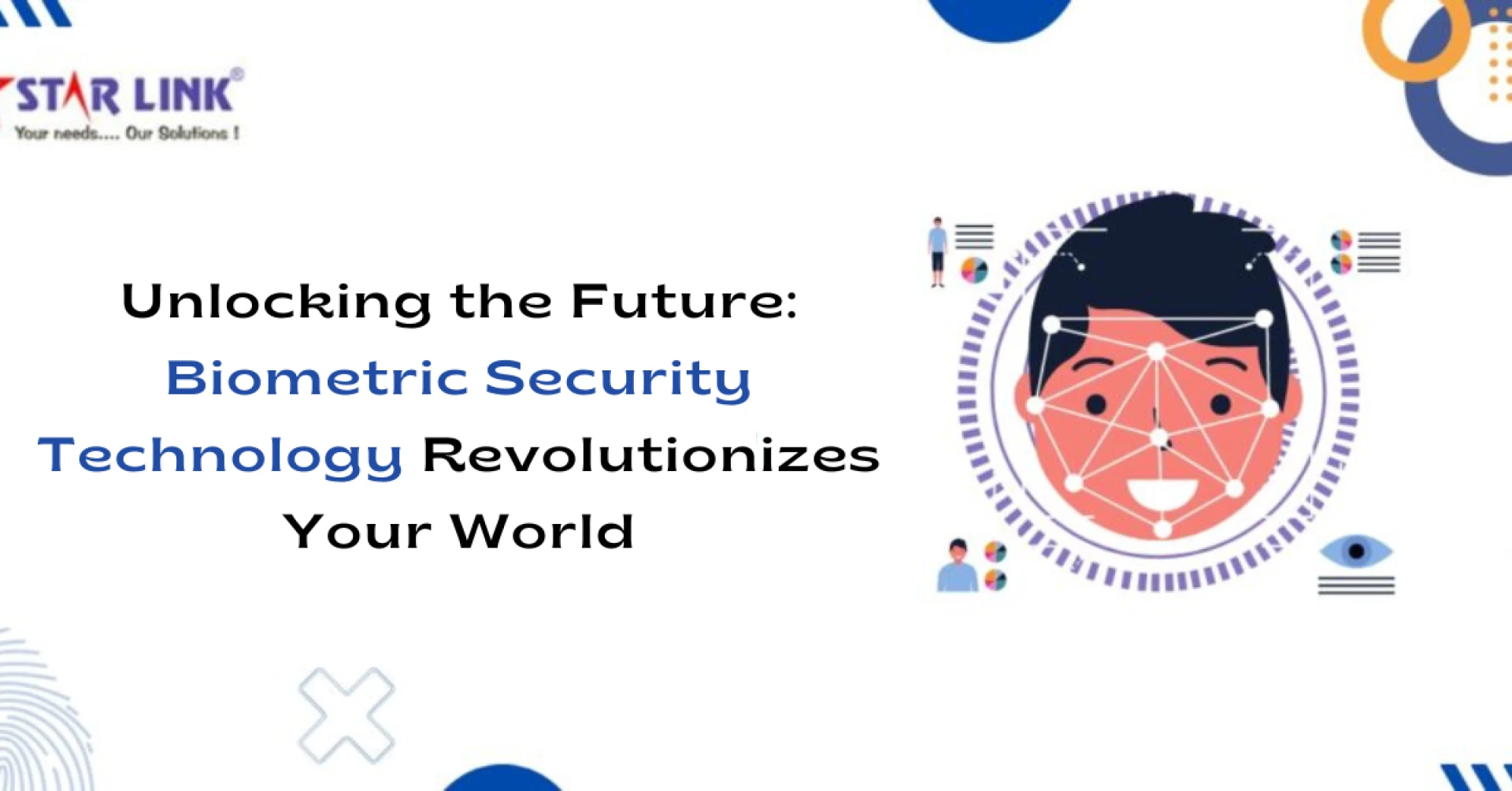
Facial Recognition system - Facial recognition technology analyses facial features, such as the distance between the eyes and the shape of the nose, to identify individuals. It's commonly used in smartphone unlocking and surveillance systems.
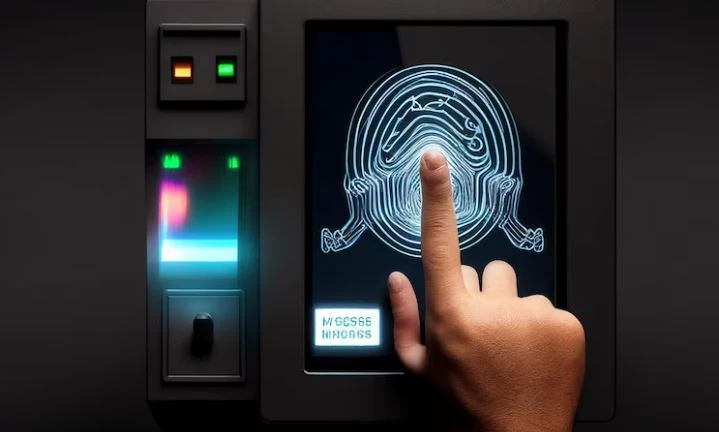
Fingerprint Scanning - Fingerprint scanning is one of the most recognizable biometric methods. It relies on the unique patterns and ridges on a person's fingertips. This technology is widely used in smartphones and access control systems.
Iris Recognition - Iris recognition scans the unique patterns in the coloured part of the eye. It's highly accurate and is employed in high-security environments like government facilities.
Voice Authentication - Voice authentication analyzes an individual's vocal characteristics, including pitch and tone. It's often used in telephone-based customer service and authentication processes.
Applications of Biometric Security
Biometric security has diverse applications:
Access Control - Access control systems are used for secure entry into buildings, data centers, and other restricted areas, replacing traditional keycards or PINs.
Mobile Devices - Smartphones now feature biometric security options, such as fingerprint and facial recognition, to protect user data.
Financial Transactions - Biometrics add an extra layer of security to online banking and payment systems, reducing the risk of fraud.
Healthcare - Medical records and patient information are kept secure with biometric access, ensuring patient privacy and data integrity.
Advantages of Biometric Security
Enhanced Security: Biometrics offer a higher level of security than traditional methods.
Convenience: Users no longer need to remember passwords or carry physical keys.
Speed: Biometric authentication is quick and efficient.
Reduced Fraud: Biometrics make it harder for impostors to gain access.
Challenges and Concerns
While biometric security offers numerous benefits, there are challenges and concerns to consider:
Privacy: Storing biometric data raises privacy concerns.
Accuracy: False positives and negatives can occur.
Cost: Implementing biometric systems can be expensive.
Ethical Issues: The potential for misuse or abuse of biometric data.
Future Trends in Biometric Security
The future of biometrics promises exciting developments, including improved accuracy, increased integration in everyday devices, and enhanced cybersecurity measures.
Biometric Security in Everyday Life
Biometric security is no longer limited to government agencies and large corporations. It's a part of our daily lives, from unlocking our smartphones to accessing bank accounts.
The Human Factor in Biometrics
Human behavior can impact the effectiveness of biometric security. Stress, illness, or physical changes can affect the accuracy of biometric data.
Biometric Security vs. Traditional Methods
Biometrics outshine traditional security methods in terms of security and convenience, making them the future of authentication.
Ethical Considerations - As biometric technology advances, it's crucial to address ethical concerns, such as data privacy and consent.
Biometric Security Regulations - Governments and organisations are developing regulations to ensure the responsible use of biometric data.
Implementing Biometric Security - Integrating biometric security requires careful planning, investment, and training to ensure its successful adoption.
The Cost of Biometric Security - While the benefits are clear, organisations must consider the financial implications of implementing biometric security.
Conclusion: A Secure Future with Biometrics
Biometric security technology has revolutionised the way we protect our data and access restricted areas. Its convenience and accuracy make it a game-changer in the digital age. As we move forward, ethical considerations and data privacy will remain at the forefront of discussions surrounding biometric security.







Sign in to leave a comment.