
In the ever-changing landscape of education, various approaches and methodologies aim to cultivate young minds. One such method that has gained significant attention for its unique approach to fostering independent thinking is the Montessori education system.
This post delves into the core principles of the Montessori school system and examines how it unlocks the potential of children, transforming them into independent thinkers.
The Montessori Philosophy: A Foundation for Independent Thinking
At the heart of Montessori education lies a profound respect for the individuality of each child. The philosophy recognizes that children are not empty vessels waiting to be filled with knowledge but active participants in their learning journey.
By creating an environment that nurtures self-motivation, curiosity, and exploration, Montessori schools encourage children to take charge of their education.
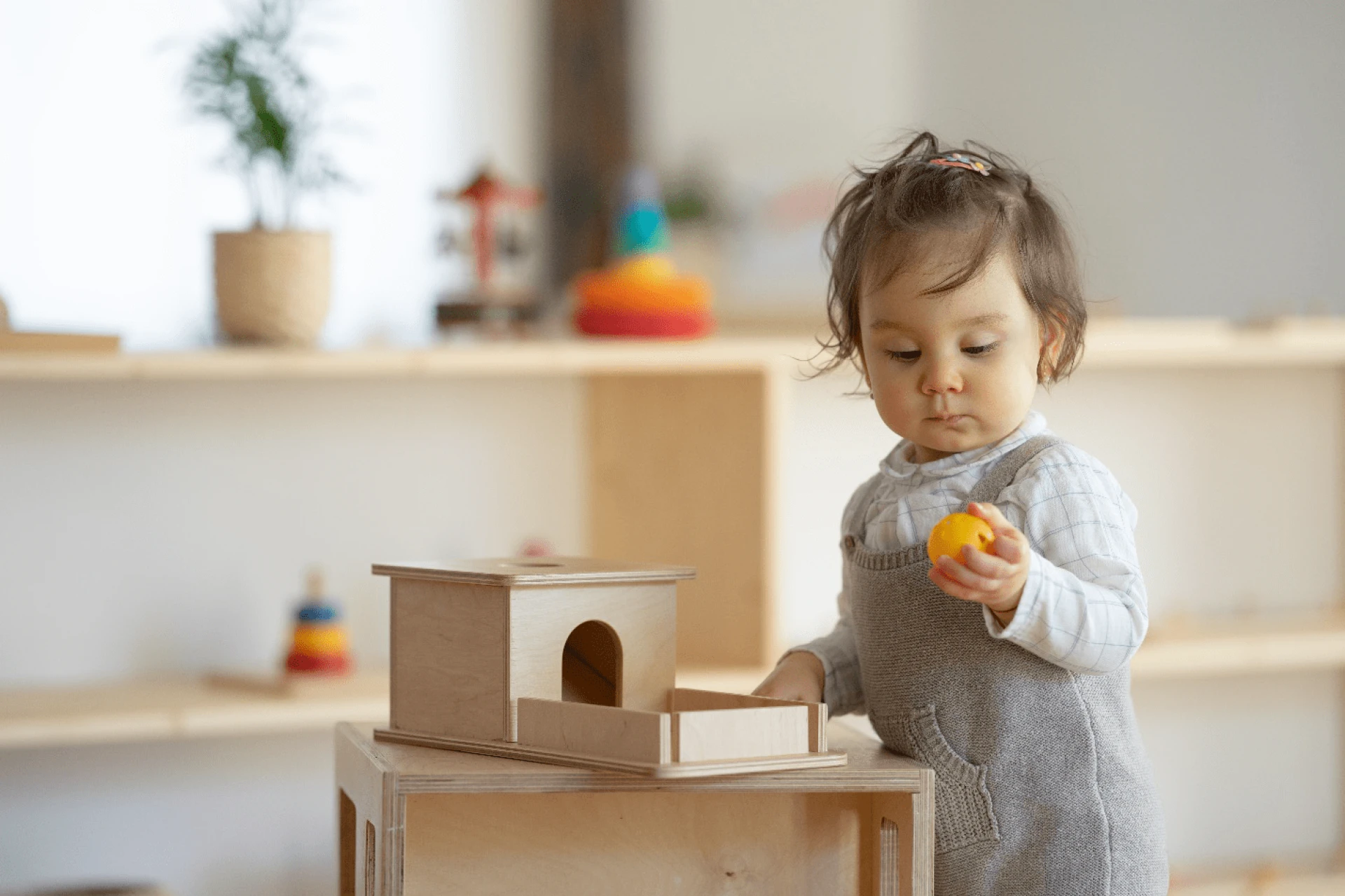
In a typical Montessori classroom, you will find a carefully prepared environment with various materials designed to appeal to a child's innate desire to learn and explore. The materials are self-correcting, allowing children to identify and rectify their mistakes independently, building a sense of self-confidence and resilience in their abilities.
Cultivating Responsibility and Discipline
One of the distinctive features of Montessori education is the concept of "freedom within limits." This principle recognizes that children thrive when given the autonomy to choose their activities, yet they also need structure and guidelines to understand their responsibilities.
Within a well-structured environment, children can choose their tasks, work at their own pace, and concentrate on areas that interest them.
Children develop a strong sense of ownership over their learning process by being free to explore and follow their passions. This fosters the growth of independent thinking as they actively engage in problem-solving, critical thinking, and decision-making.
Furthermore, the freedom to make choices instills a sense of accountability as children learn to take responsibility for their actions and the consequences.
Learning from Peers and Nurturing Leadership
In a traditional classroom setting, children are often grouped by age, leading to a structured hierarchy and limited opportunities for cross-age interaction. Montessori classrooms, on the other hand, embrace mixed-age groupings, where children of different ages learn together in the same environment.
This arrangement not only mirrors real-life situations but also creates an atmosphere conducive to the development of independent thinking. Younger children observe and learn from their older peers, while older children solidify their knowledge by explaining concepts to their younger counterparts.
By teaching and helping each other, children become active participants in their own and others' learning, building empathy, leadership, and communication skills.
The Role of the Montessori Teacher: A Guide and Facilitator
In the Montessori approach, the role of the teacher is transformed from a traditional instructor to a guide and facilitator. The teacher's primary objective is to observe each child, identify their interests and aptitudes, and provide tailored support and guidance.
Rather than imposing a rigid curriculum, Montessori teachers work to ignite the spark of curiosity within each child and facilitate their natural desire to learn. They observe and intervene only when necessary, giving children ample space to explore, discover, and connect independently.
This approach empowers children to become critical thinkers as they learn to seek answers, draw conclusions, and inquire about the world around them.
A Focus on Practical Life Skills: Nurturing Independence and Confidence
Montessori education significantly emphasizes practical life skills, recognizing their importance in promoting independence and self-sufficiency. Activities such as pouring liquids, tying shoelaces, and cleaning up after oneself may seem simple, but they play a crucial role in a child's development.
By mastering practical tasks, children become more self-reliant and develop a sense of accomplishment and confidence in their abilities. This newfound independence spills over into their academic pursuits as they approach challenges with a can-do attitude and a willingness to persevere.
Emphasis on Creativity and Imagination
Montessori education nurtures creativity and imagination by focusing on hands-on learning and open-ended exploration. Children are encouraged to engage with materials uniquely, promoting creative thinking and problem-solving skills.
Moreover, the absence of rigid timetables and standardized tests in Montessori education allows children to explore and pursue their interests without pressure to meet specific benchmarks. This freedom fosters a culture of innovation, as children are unafraid to take risks, experiment, and think outside the box.
Montessori education offers a compelling alternative to traditional educational models, emphasizing the development of independent thinkers through a child-centric approach.
Montessori schools create an environment where children can thrive as independent learners and critical thinkers by recognizing and respecting each child's unique potential. Montessori schools like Centerra Ranch Montessori School offer the best environment for your kids. With infant care and Montessori preschool available, enroll your kids in the best Montessori preschools in Cinco Ranch.


























Sign in to leave a comment.