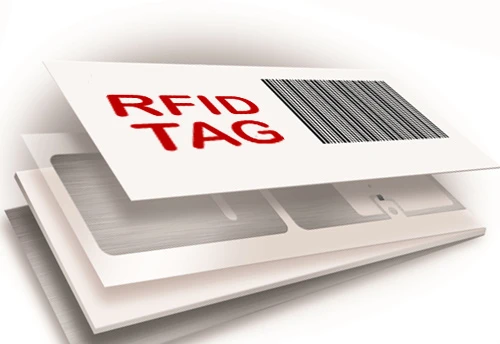

In an increasingly digital and connected world, RFID (Radio-Frequency Identification) technology has emerged as a game-changer, revolutionizing various industries, from supply chain management and retail to healthcare and logistics. At the heart of this transformation lies the humble yet remarkable RFID tag. In this comprehensive guide, we'll delve into the world of RFID tags, exploring what they are, how they work, their applications, benefits, and the future of this transformative technology.
Understanding RFID Tags:
At its core, an RFID tag is a small electronic device that contains a unique identifier and can communicate wirelessly using radio waves. This identifier can be linked to a specific object, product, or individual, enabling real-time tracking and data collection. RFID tags come in various forms, from adhesive labels to ruggedized tags, and they can be attached to virtually anything.
How RFID Tags Work:
RFID technology relies on the interaction between three essential components:
RFID Tags: These small, passive devices contain an antenna and a microchip. The microchip stores data and the unique identifier associated with the item, while the antenna enables communication with RFID readers.
RFID Readers: RFID readers emit radio waves, which activate and power the RFID tags within their range. When a reader sends out a signal, nearby RFID tags respond by transmitting their data, including the unique identifier, back to the reader.
Database or Backend System: The data collected by RFID readers is sent to a database or backend system for storage and analysis. This system can provide real-time information about the tagged items' location, status, or other relevant data.
Applications of RFID Tags:
The versatility of RFID technology has led to its adoption across a wide range of industries and applications:
Supply Chain Management: RFID tags streamline inventory management, reduce errors, and enhance visibility throughout the supply chain. They are used for tracking goods from manufacturing facilities to distribution centers to retail shelves.
Retail and Inventory Control: RFID-enabled inventory management systems help retailers maintain accurate stock levels, reduce theft, and improve the shopping experience through faster checkouts and seamless replenishment.
Healthcare: RFID tags are used for patient identification, tracking medical equipment, and monitoring medication administration. They enhance patient safety and improve workflow efficiency in healthcare settings.
Asset Tracking: Businesses and organizations use RFID to monitor and manage valuable assets, such as IT equipment, vehicles, and tools. This minimizes loss and maximizes asset utilization.
Access Control and Security: RFID tags are employed in access control systems, allowing authorized individuals to gain entry to secure areas. They are also used for tracking and securing valuable assets.
Livestock and Agriculture: In agriculture, RFID tags are attached to livestock for identification and monitoring purposes. They are also used in crop management for inventory tracking and pest control.
Passports and Identification: Some passports and ID cards now contain RFID tags for enhanced security and ease of border crossing.
Benefits of RFID Tags:
The adoption of RFID technology offers numerous advantages:
Efficiency: RFID tags enable quick and automated data capture, reducing the need for manual data entry and minimizing errors.
Real-Time Tracking: RFID technology provides real-time visibility into the location and status of tagged items, allowing for proactive decision-making.
Improved Accuracy: RFID technology is highly accurate, leading to better inventory control, asset management, and order fulfillment.
Enhanced Security: RFID tags can be encrypted and secured, making them difficult to tamper with or counterfeit.
Cost Savings: By optimizing processes, reducing labor costs, and minimizing errors, RFID technology often results in significant cost savings.
The Future of RFID Tags:
The journey of RFID technology is far from over. Several developments and trends are shaping its future:
Smaller and More Versatile Tags: Advances in microchip technology are enabling the creation of smaller, more versatile RFID tags, suitable for a broader range of applications.
Increased Connectivity: The integration of RFID technology with the Internet of Things (IoT) is expanding the possibilities for data collection and analysis.
Enhanced Sustainability: Efforts are underway to create environmentally friendly RFID tags with reduced carbon footprints.
Wider Adoption in Healthcare: The healthcare industry is expected to see increased adoption of RFID for patient safety and asset tracking.
Retail Innovation: Retailers are exploring new ways to leverage RFID, such as in-store customer engagement and personalized shopping experiences.
Supply Chain Resilience: RFID technology will play a critical role in building resilient and agile supply chains capable of withstanding disruptions.
Conclusion:
RFID tags have transformed the way businesses and industries operate, offering efficient tracking, enhanced security, and real-time visibility. As technology continues to evolve, RFID's applications and benefits will only grow, making it an integral part of the digital age. From supply chain optimization to healthcare advancements, RFID technology is poised to shape a smarter, more connected, and efficient future. As organizations increasingly embrace RFID, the world is primed for even greater innovation and efficiency in the years ahead.










Sign in to leave a comment.