

Eczema is a common skin condition that affects millions of people worldwide, irrespective of skin color. However, when it comes to eczema on dark skin, there are specific considerations and challenges that individuals may face. In this comprehensive guide, we\'ll delve into the nuances of eczema on dark skin, exploring its causes, symptoms, treatment options, and practical tips for managing and thriving with this condition.
Introduction
Understanding Eczema on Dark Skin
Eczema, also known as atopic dermatitis, is a chronic skin condition characterized by inflammation, itching, and redness. While it can occur on any skin type, the manifestation of eczema on dark skin may present differently compared to lighter skin tones. It\'s essential to recognize these differences to ensure proper diagnosis and management.
What Causes Eczema on Dark Skin?
Genetic Factors
Genetics plays a significant role in the development of eczema, and individuals with a family history of the condition are more prone to experiencing it. This holds true regardless of skin color.
Environmental Triggers
Environmental factors such as allergens, irritants, and climate can exacerbate eczema symptoms. Pollen, pet dander, harsh soaps, and extreme temperatures are just a few examples of triggers that can affect individuals with eczema on dark skin.

Common Symptoms of Eczema on Dark Skin
Eczema symptoms can vary from person to person, but some common indicators include:
Itching
One of the hallmark symptoms of eczema is intense itching, which can be particularly distressing on dark skin due to the potential for hyperpigmentation and scarring with repeated scratching.
Dryness
Dark skin tends to have lower levels of natural oils, making it more prone to dryness. Eczema exacerbates this dryness, leading to flakiness and rough patches.
Inflammation
Inflammation is a key characteristic of eczema, causing redness and swelling on the skin\'s surface. Dark skin may exhibit more pronounced inflammation, making the condition visually distressing.
Diagnosis and Treatment
Medical Diagnosis
Diagnosing eczema on dark skin requires a thorough examination by a dermatologist or healthcare professional. They may also perform patch tests to identify specific triggers.
Treatment Options
Treatment for eczema aims to alleviate symptoms and prevent flare-ups. This may include topical corticosteroids, moisturizers, antihistamines, and lifestyle modifications.
Tips for Managing Eczema on Dark Skin
Moisturize Regularly
Keeping the skin hydrated is crucial for managing eczema on dark skin. Opt for fragrance-free moisturizers and apply them liberally throughout the day, especially after bathing.
Avoid Triggers
Identifying and avoiding triggers can help prevent flare-ups. This may involve using gentle skincare products, avoiding harsh detergents, and minimizing exposure to allergens.
Wear Breathable Clothing
Choosing loose-fitting, breathable clothing can help minimize irritation and allow the skin to breathe, reducing the risk of flare-ups.
Myths and Misconceptions
Eczema Only Affects Light Skin
Contrary to popular belief, eczema can affect individuals of all skin colors. However, the presentation and management may vary depending on skin tone.
Eczema Is Contagious
Eczema is not contagious and cannot be spread through physical contact. It is a chronic inflammatory condition influenced by genetic and environmental factors.
Living with Eczema on Dark Skin
Living with eczema on dark skin can impact various aspects of daily life, from self-esteem to social interactions. However, with the right strategies and support, individuals can learn to cope effectively.
Impact on Quality of Life
Eczema can significantly impact quality of life, leading to sleep disturbances, mood changes, and decreased productivity.
Coping Strategies
Developing coping strategies such as mindfulness, stress management techniques, and seeking support from loved ones or support groups can help individuals navigate the challenges of living with eczema.
Natural Remedies for Eczema
Coconut Oil
Coconut oil has moisturizing and anti-inflammatory properties, making it a popular natural remedy for eczema. Applying virgin coconut oil to affected areas can help soothe dry, itchy skin.
Oatmeal Baths
Oatmeal baths can provide relief from eczema symptoms by reducing inflammation and itching. Simply add colloidal oatmeal to lukewarm bathwater and soak for 15-20 minutes.
Preventing Flare-Ups
Lifestyle Changes
Making lifestyle modifications such as managing stress, maintaining a healthy diet, and avoiding known triggers can help prevent eczema flare-ups.
Stress Management
Stress can exacerbate eczema symptoms, so incorporating stress-reducing activities such as yoga, meditation, or deep breathing exercises can be beneficial.
Eczema and Mental Health
Psychological Impact
Living with a chronic skin condition like eczema can take a toll on mental health, leading to feelings of anxiety, depression, and low self-esteem.
Seeking Support
Seeking support from mental health professionals, support groups, or online communities can provide individuals with the resources and encouragement they need to cope with the psychological aspects of eczema.
Eczema in Different Seasons
Winter Challenges
Cold, dry air during the winter months can exacerbate eczema symptoms, leading to increased dryness and itching. Proper skincare and moisturizing are essential during this time.
Summer Precautions
While warmer temperatures and increased humidity may improve eczema symptoms for some individuals, others may experience flare-ups due to sweating and sun exposure. Using sunscreen and staying hydrated are crucial in managing eczema during the summer.
Eczema and Skincare Routine
Importance of Gentle Products
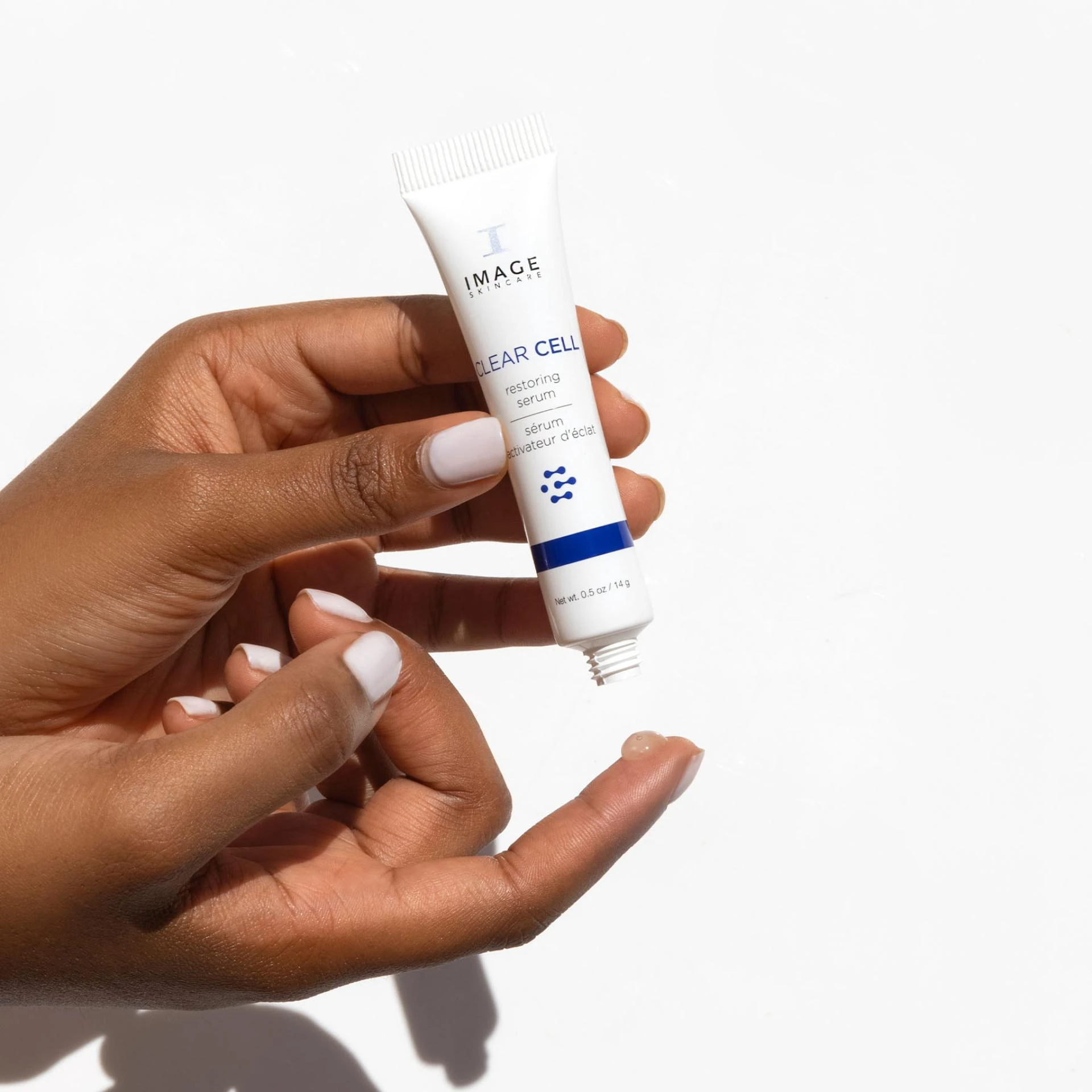
Using gentle, fragrance-free skincare products can help prevent irritation and flare-ups in individuals with eczema on dark skin. Look for products specifically formulated for sensitive skin.
Sun Protection
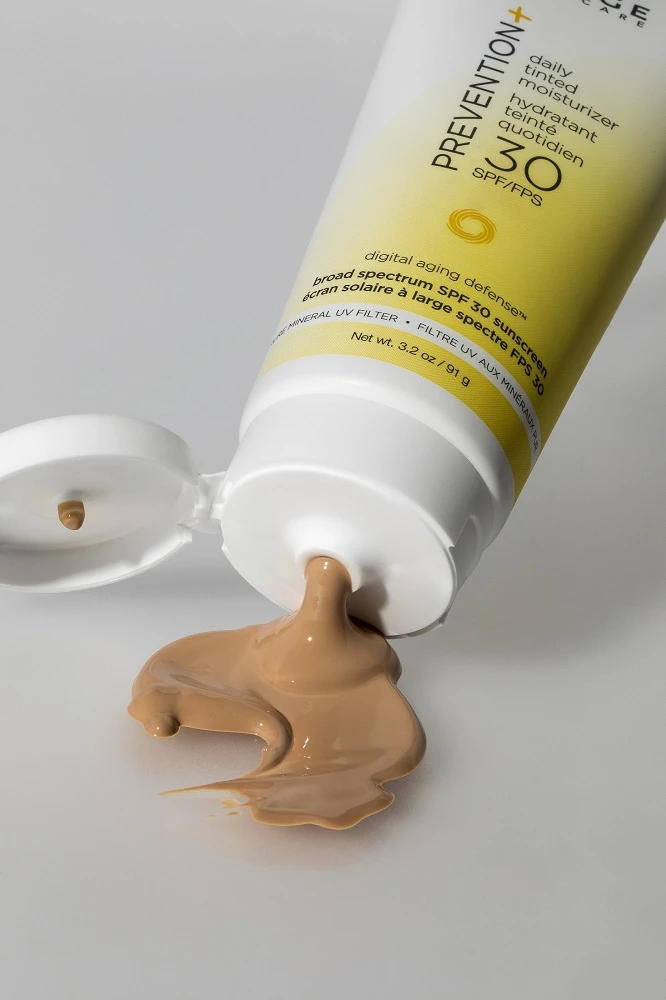
Protecting the skin from the sun\'s harmful UV rays is essential for individuals with eczema, as sun exposure can worsen inflammation and trigger flare-ups. Apply a broad-spectrum sunscreen with an SPF of 30 or higher daily.
Eczema in Children with Dark Skin
Unique Challenges
Children with dark skin may face unique challenges when it comes to managing eczema, including delayed diagnosis and difficulty in recognizing symptoms against a darker background.
Pediatric Care
Pediatricians and dermatologists play a crucial role in diagnosing and treating eczema in children with dark skin. Parents should be vigilant in monitoring their child\'s skin health and seeking medical attention if needed.
When to Seek Medical Help
Signs of Infection
It\'s essential to seek medical attention if eczema symptoms worsen or if signs of infection, such as oozing, crusting, or fever, develop.
Severe Symptoms
Severe eczema symptoms, such as widespread inflammation, extreme itching, or difficulty sleeping, may require prescription medications or specialized treatment from a dermatologist.
Frequently Asked Questions (FAQs)
Q: Is eczema more common in people with dark skin?
A: Eczema can affect individuals of all skin colors, but the presentation and management may vary.
Q: Can eczema on dark skin cause scarring?
A: Yes, repeated scratching of eczema lesions on dark skin can lead to hyperpigmentation and scarring.
Q: Are there specific skincare products for eczema on dark skin?
A: Yes, there are skincare products formulated specifically for sensitive skin, including dark skin.
Q: Can stress worsen eczema symptoms on dark skin?
A: Yes, stress can exacerbate eczema symptoms, so stress management techniques are essential.
Q: Is eczema contagious?
A: No, eczema is not contagious and cannot be spread through physical contact.
Conclusion
In conclusion, living with eczema on dark skin presents unique challenges, but with proper understanding, management strategies, and support, individuals can lead fulfilling lives despite the condition. By advocating for greater awareness and inclusivity in skincare, we can ensure that everyone, regardless of skin color, receives the care and support they need to thrive.























Sign in to leave a comment.