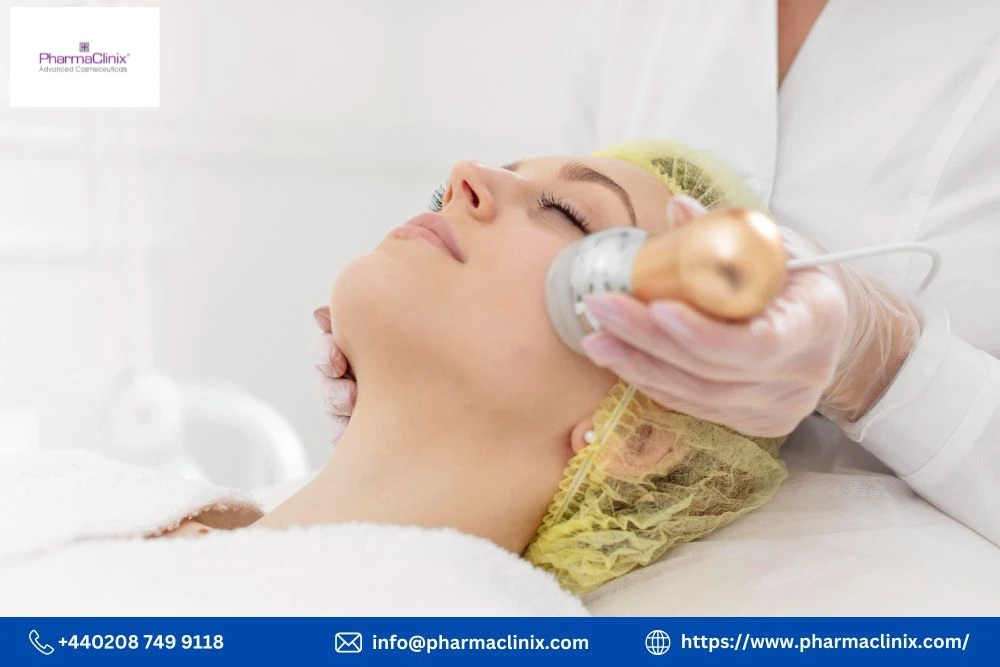

In a world where beauty standards vary widely, the quest for radiant and flawless skin transcends geographical boundaries and cultural differences. Skin whitening treatments have emerged as a popular solution for individuals seeking to lighten their skin tone, address hyperpigmentation, and achieve a more even complexion. But what exactly are these treatments, and how do they work? In this comprehensive guide, we delve into the world of skin whitening treatments, exploring their mechanisms, benefits, risks, and everything in between.
Understanding Skin Pigmentation
Before diving into the realm of skin whitening treatments, it\'s essential to grasp the basics of skin pigmentation. Our skin gets its color from a pigment called melanin, produced by melanocyte cells. Melanin serves as a natural sunscreen, protecting the skin from harmful UV radiation. However, factors like genetics, sun exposure, hormonal changes, and aging can lead to an overproduction of melanin, resulting in hyperpigmentation or uneven skin tone.
The Science Behind Skin Whitening
Skin whitening treatments work by inhibiting the production of melanin or promoting the shedding of pigmented skin cells. They often target enzymes involved in the melanin synthesis process, such as tyrosinase. By interfering with these enzymes, these treatments can help reduce the appearance of dark spots, blemishes, and discoloration, leading to a brighter complexion.
Common Ingredients in Skin Whitening Products
Different Types of Skin Whitening Treatments
Skin whitening treatments come in various forms, ranging from topical creams and serums to invasive procedures performed by dermatologists. The choice of treatment depends on factors such as the severity of pigmentation, desired results, budget, and tolerance for downtime.
Topical Treatments: Creams and Serums
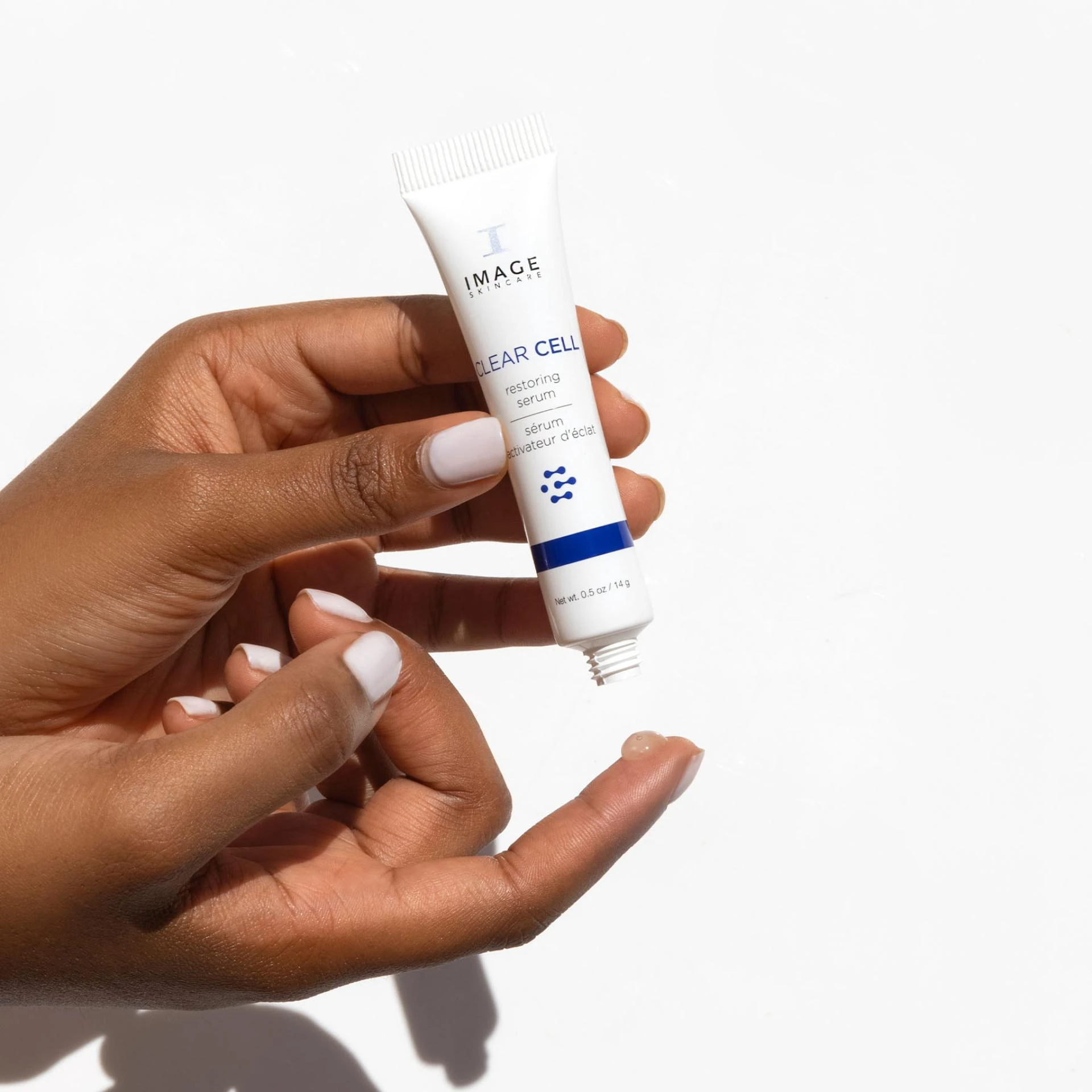
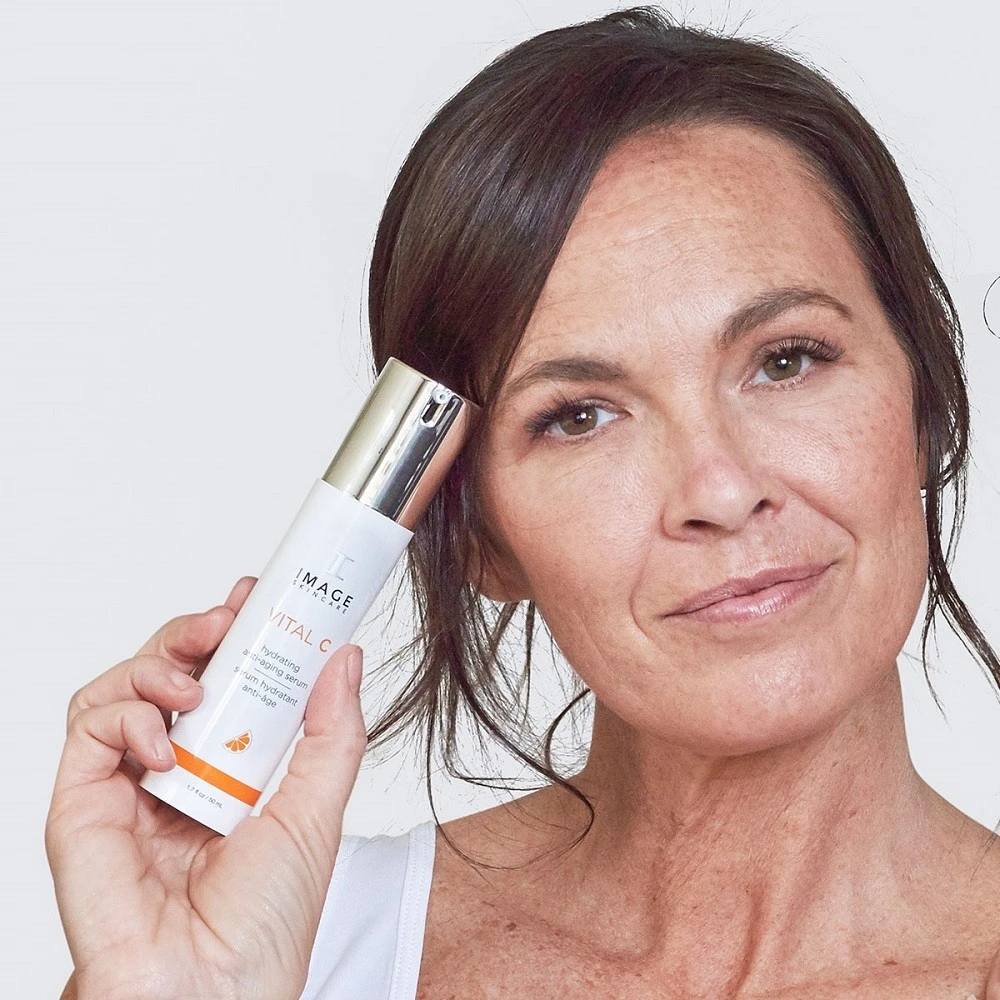
Topical treatments are the most common and accessible option for skin whitening. These products are applied directly to the skin and usually contain active ingredients that inhibit melanin production or exfoliate the skin to reveal lighter layers underneath. While they may take longer to show results compared to invasive procedures, they are generally safer and more affordable.
Invasive Procedures: Chemical Peels and Lasers
For more pronounced pigmentation issues or rapid results, invasive procedures like chemical peels and laser treatments are available. Chemical peels involve applying a chemical solution to the skin to exfoliate the outer layer, revealing lighter, smoother skin beneath. Laser treatments use targeted beams of light to break down melanin and stimulate collagen production, resulting in a brighter complexion over time.
Natural Remedies for Skin Lightening
In recent years, there has been a growing interest in natural remedies for skin lightening. Ingredients like turmeric, lemon juice, papaya, and aloe vera are believed to possess skin-brightening properties and are often used in homemade masks and treatments. While these remedies may offer mild to moderate results, they may not be as effective as commercial products or medical procedures.
Safety Considerations and Side Effects
While skin whitening treatments can yield impressive results, they are not without risks. Common side effects may include skin irritation, redness, dryness, and increased sensitivity to sunlight. Certain ingredients, such as hydroquinone, have been associated with adverse effects like ochronosis and skin thinning when used improperly. It\'s crucial to follow the advice of skincare professionals and use these treatments judiciously.
Maintaining Results: Tips for Long-Term Care
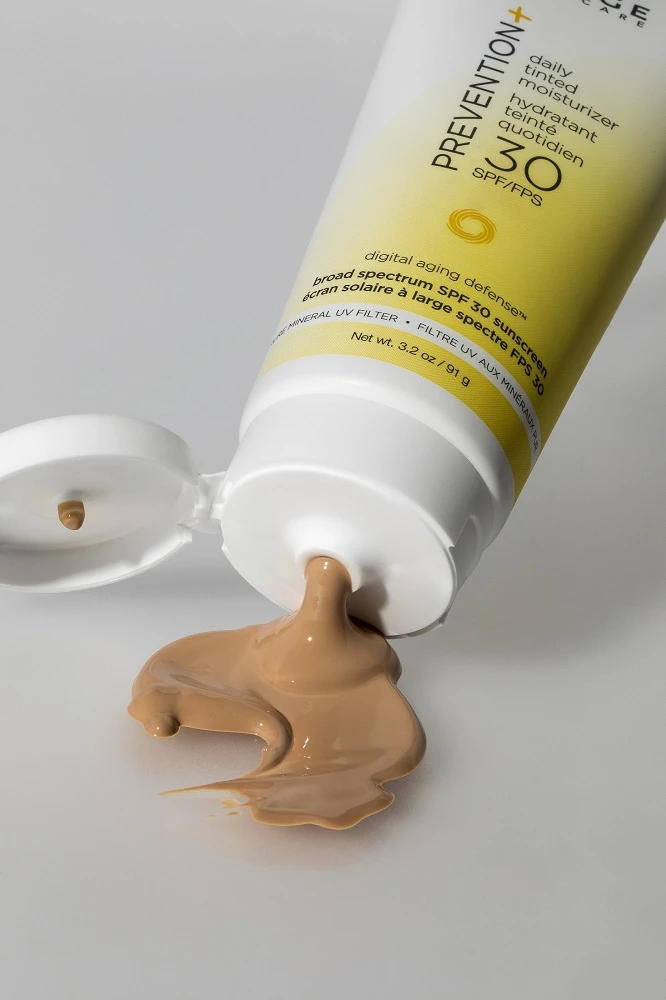
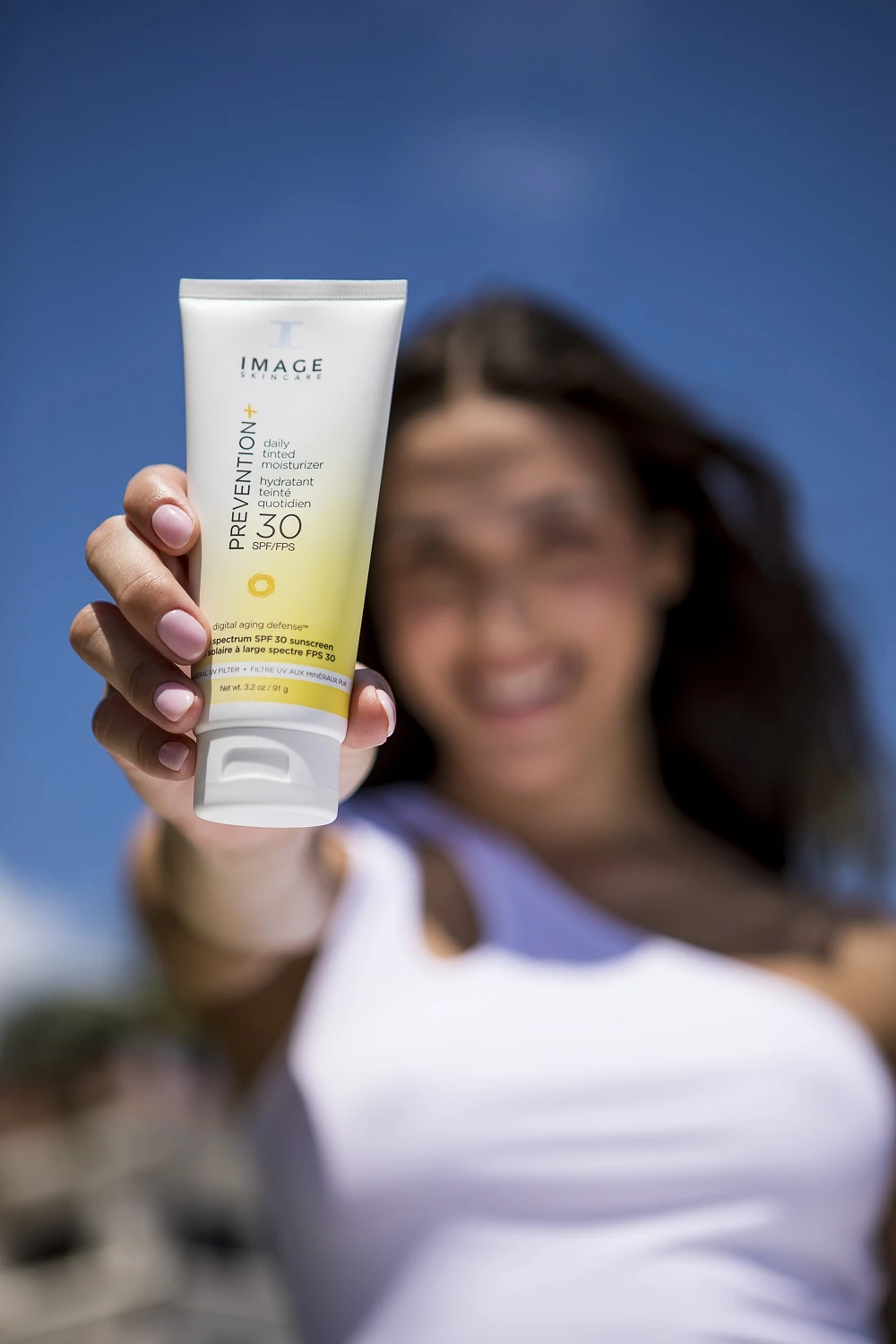
Achieving brighter, more even skin is not just about undergoing treatments—it\'s also about maintaining results over time. This includes diligent sun protection, regular exfoliation, hydration, and a healthy lifestyle. Additionally, incorporating products with ingredients like antioxidants and sunscreen into your skincare routine can help preserve the effects of whitening treatments and prevent future pigmentation issues.
The Social Implications of Skin Whitening
The desire for lighter skin is often influenced by societal norms, cultural beliefs, and media representations of beauty. In many parts of the world, fair skin is associated with privilege, attractiveness, and success, leading some individuals to pursue skin whitening treatments to conform to these standards. However, it\'s essential to recognize and challenge these beauty ideals, promoting diversity and inclusivity in our perceptions of beauty.
FAQs on Skin Whitening Treatments
Q: Are skin whitening treatments safe for all skin types?
A: Yes, skin whitening treatments can be safe for all skin types when used appropriately. However, individuals with sensitive skin or certain medical conditions should consult a dermatologist before starting any treatment.
Q: How long does it take to see results from skin whitening treatments?
A: The timeline for results varies depending on the type of treatment and individual factors such as skin type and pigmentation severity. Generally, noticeable improvements can be seen within a few weeks to a few months of consistent use.
Q: Can skin whitening treatments cause skin damage?
A: While skin whitening treatments are generally safe when used correctly, overuse or misuse of certain ingredients can lead to skin damage. It\'s essential to follow product instructions and seek professional advice if you experience any adverse reactions.
Q: Are there any natural alternatives to commercial skin whitening products?
A: Yes, several natural ingredients are believed to have skin-brightening properties, including lemon juice, turmeric, yogurt, and honey. However, their efficacy may vary, and it\'s essential to use them cautiously and monitor for any adverse reactions.
Q: Can I undergo skin whitening treatments while pregnant or breastfeeding?
A: It\'s generally recommended to avoid using skin whitening treatments containing potent ingredients like hydroquinone or retinoids during pregnancy or breastfeeding, as they may pose risks to the baby. Always consult with a healthcare professional before using any skincare products during this time.
Conclusion
In conclusion, skin whitening treatments offer a range of options for individuals looking to address pigmentation issues and achieve a brighter complexion. Whether you opt for topical creams, invasive procedures, or natural remedies, it\'s essential to prioritize safety, moderation, and long-term care. Ultimately, true beauty lies in diversity, and embracing our natural skin tones is a celebration of our uniqueness and individuality.

















Sign in to leave a comment.