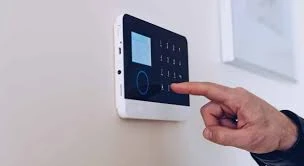

In today's fast-paced world, technology continues to evolve at an astounding rate. Our homes, once a sanctuary of peace and simplicity, have now become hubs of innovation and convenience. Thanks to the wonders of smart home technology, we can transform our living spaces into efficient, automated, and secure environments. In this comprehensive guide, we'll explore the Smart Home Advantage, from understanding the meaning of CCTV to learning how to connect security cameras to your phone. Get ready to embark on a journey that will revolutionize the way you experience home life.
Section 1: What is the Smart Home Advantage?
Before diving into the intricacies of smart home technology, let's begin by understanding what the Smart Home Advantage truly means. At its core, the Smart Home Advantage represents the amalgamation of various technological advancements that enhance our daily lives in unprecedented ways. Here's a breakdown of the key elements that constitute this advantage:
1.1 Automation and Convenience
Imagine waking up to the soft glow of your bedroom lights gently increasing in intensity, simulating a natural sunrise. Your coffee maker starts brewing your favorite blend, and the thermostat adjusts to your desired temperature. All of this happens seamlessly and without you lifting a finger. That's the power of automation in a smart home.
With intelligent devices interconnected through a central hub, your home can anticipate your needs and respond accordingly. Lights, appliances, thermostats, and more can be controlled remotely through your smartphone or voice commands, making daily tasks more convenient than ever.
1.2 Energy Efficiency
In an era where environmental consciousness is paramount, smart homes offer significant advantages in energy efficiency. Smart thermostats optimize heating and cooling, lighting systems automatically adjust based on occupancy, and energy-hungry appliances can be scheduled to run during off-peak hours. These features not only reduce your carbon footprint but also save you money on utility bills.
1.3 Security and Peace of Mind
One of the most compelling aspects of smart homes is the heightened level of security they provide. With the ability to remotely monitor your property through CCTV cameras and security systems, you can keep an eye on your home no matter where you are. This is especially reassuring when you're away on vacation or at work. We'll delve deeper into the world of smart home security in later sections.
Section 2: Understanding CCTV - The Watchful Eye of Your Smart Home
CCTV, or Closed-Circuit Television, is a fundamental component of modern smart home security systems. It serves as the vigilant eye that monitors your property, both inside and out. Understanding CCTV is essential to harnessing the full Smart Home Advantage.
2.1 The Basics of CCTV
CCTV systems consist of cameras, recorders, and monitors. These cameras capture video footage, which is then transmitted to the recorder for storage and analysis. Monitors allow you to view the live feed or recorded footage. The beauty of CCTV in a smart home setup is its connectivity and accessibility.
2.2 Types of CCTV Cameras
To fully comprehend the meaning of CCTV, it's crucial to be aware of the various types of cameras available:
Dome Cameras: These are discreet, dome-shaped cameras that blend seamlessly into the ceiling. They are often used for indoor surveillance.Bullet Cameras: Bullet cameras are cylindrical and more conspicuous. They are typically used for outdoor surveillance and deterrence.PTZ Cameras: PTZ stands for Pan, Tilt, Zoom, and these cameras offer remote control over their orientation and zoom capabilities.Wireless Cameras: As the name suggests, these cameras connect to the network wirelessly, making installation more flexible.2.3 Smart Features of CCTV
Incorporating smart features into your CCTV system takes surveillance to the next level:
Motion Detection: Smart CCTV cameras can detect motion and send alerts to your smartphone, allowing you to react swiftly to potential intruders.Night Vision: Infrared technology enables night vision, ensuring your cameras provide clear images even in low-light conditions.Cloud Storage: Cloud-based storage solutions eliminate the need for physical recorders, offering easy access to your footage from anywhere.Section 3: Connecting Security Cameras to Your Phone
Now that we have a grasp of CCTV and its role in a smart home, let's explore how to connect security cameras to your phone. This step is crucial for real-time monitoring and peace of mind.
3.1 Choosing the Right App
Most security camera systems come with dedicated mobile apps that allow you to access your cameras remotely. When selecting a system, ensure that the app is user-friendly, compatible with your device, and offers the features you need, such as live streaming and alerts.
3.2 Setting Up Remote Access
The process of connecting security cameras to your phone typically involves the following steps:
Install the App: Download and install the app associated with your camera system from your device's app store.Create an Account: Sign up for an account within the app. This account will serve as your gateway to accessing your cameras.Connect the Cameras: Follow the manufacturer's instructions to connect your cameras to your home Wi-Fi network.Pairing Process: Use the app to pair your cameras with your account. This usually involves scanning a QR code or entering a unique code provided by the camera.Remote Access: Once your cameras are paired, you can access them remotely through the app. You'll be able to view live feeds, playback recorded footage, and receive alerts.3.3 Troubleshooting Tips
If you encounter any issues during the setup process, consult the manufacturer's documentation or customer support for guidance. Common problems may include network connectivity issues, incorrect settings, or compatibility concerns.
Section 4: Smart Home Security - Peace of Mind Redefined
Smart home security systems go beyond traditional alarm systems. They offer a comprehensive approach to safeguarding your home, family, and valuables by how to connect security camera to phone.
4.1 Intrusion Detection
Intrusion detection forms the core of smart home security. Modern systems include:
Door and Window Sensors: These sensors trigger an alert when doors or windows are opened, providing early warning of potential intruders.Motion Sensors: Placed strategically around your home, these sensors detect movement and send alerts if unauthorized activity is detected.4.2 Video Surveillance
CCTV, as discussed earlier, plays a pivotal role in video surveillance. With smart CCTV cameras, you can:
Monitor in Real-Time: Keep an eye on your property in real-time from your phone, tablet, or computer.Record and Playback: Capture footage for future reference, especially in the event of an incident.Remote Control: Adjust camera angles and settings remotely for optimal coverage.4.3 Remote Access Control
Smart home security systems often include remote access control features, allowing you to:
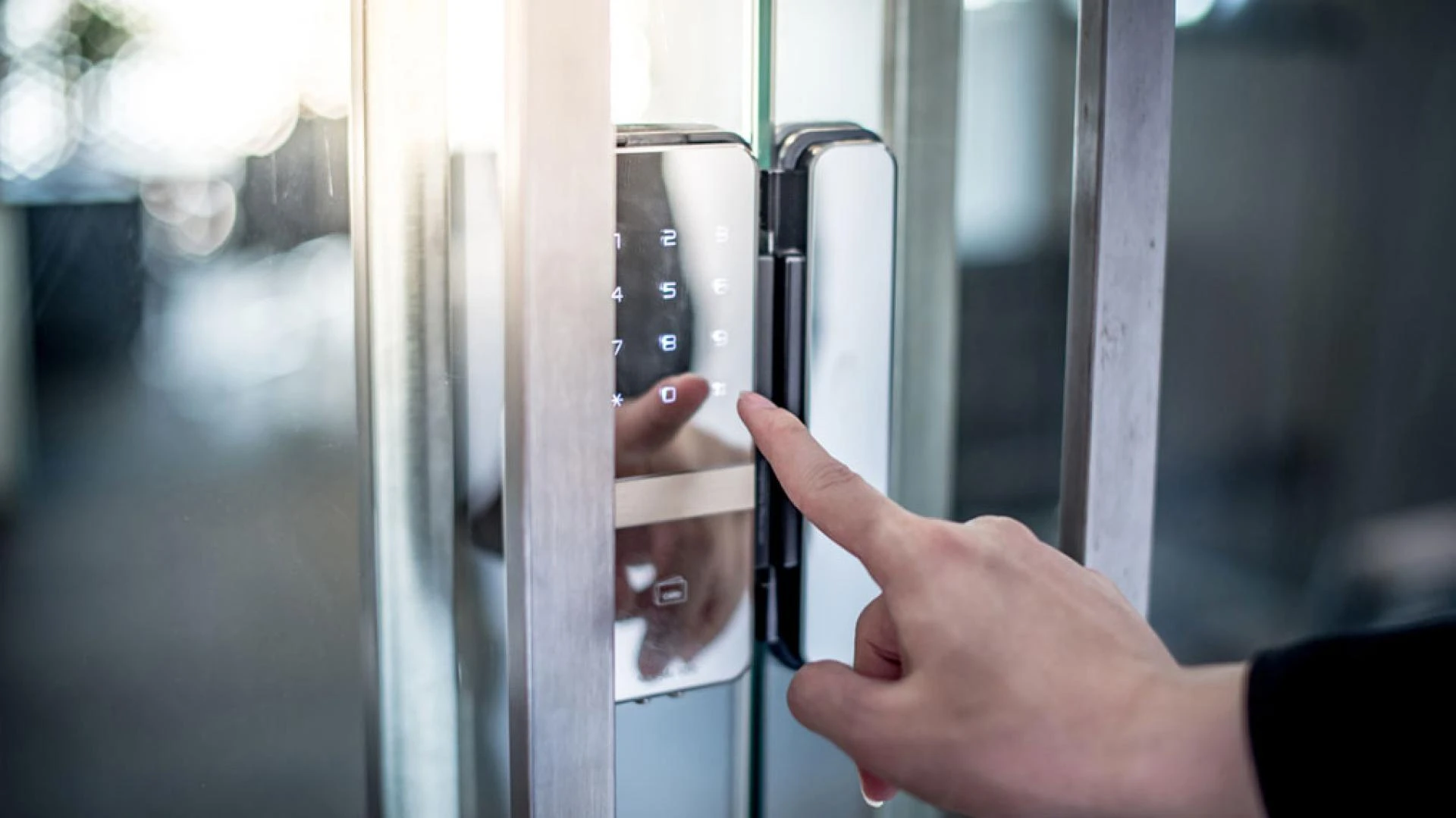
Lock and Unlock Doors: Control smart locks from your phone, ensuring your home is secure even when you're not there.Arm and Disarm Alarms: Activate and deactivate your security system remotely, providing access to trusted individuals when needed.4.4 Alerts and Notifications
Stay informed about the security of your home with real-time alerts and notifications:
Mobile Alerts: Receive alerts on your smartphone when suspicious activity is detected.Email Notifications: Get email notifications of events and access video clips for review.Section 5: The Future of Smart Homes
The Smart Home Advantage is an ever-evolving concept, with new technologies and innovations emerging regularly. Here's a glimpse into the exciting future of smart homes:
5.1 Integration and Interoperability
Future smart homes will see even greater integration between devices and systems. Imagine your lights, thermostat, and security system seamlessly communicating with each other to optimize energy efficiency and security.
5.2 Artificial Intelligence
AI-powered systems will become more adept at understanding your habits and preferences. Your smart home will anticipate your needs and adapt accordingly, enhancing your comfort and convenience.
5.3 Sustainability
Environmental sustainability will play a more significant role in smart homes. Energy-efficient technologies and renewable energy sources will be integrated, reducing the ecological footprint of our homes.
Section 6: Conclusion
In conclusion, the Smart Home Advantage is a game-changer in the way we live. It encompasses automation, energy efficiency, and, most importantly, security. Understanding what is the meaning of cctv? and learning how to connect security cameras to your phone are crucial steps in harnessing this advantage.
As technology continues to advance, the possibilities for smart homes are limitless. By embracing these innovations, you can create a living space that is not only more convenient but also safer and more environmentally responsible.
So, are you ready to unlock the Smart Home Advantage? Start exploring the world of smart home technology today and experience a future where your home truly works for you.
In this comprehensive guide, we've explored the Smart Home Advantage from its fundamental elements to its exciting future. You now understand the meaning of CCTV and how to connect security cameras to your phone, paving the way for a safer, more convenient, and energy-efficient home. Embrace the future of smart living and make your home work for you.







Sign in to leave a comment.