
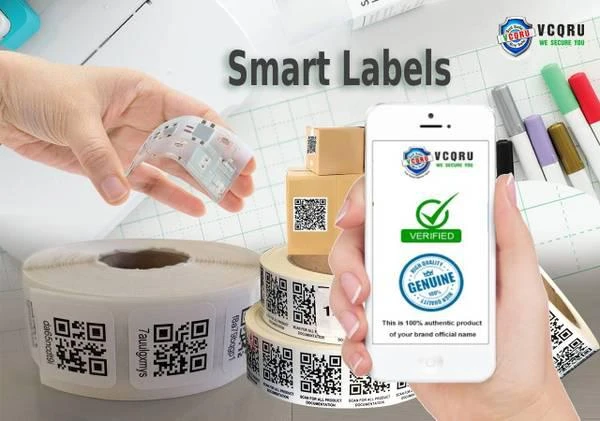
Smart label packaging represents a revolutionary advancement in the packaging industry, combining traditional packaging methods with cutting-edge technology to enhance the functionality and interactivity of product packaging. Unlike conventional labels that merely provide basic information such as product name, ingredients, and expiration dates, smart labels incorporate advanced features that can include Radio-Frequency Identification (RFID), Near Field Communication (NFC), Quick Response (QR) codes, and even temperature-sensitive or time-sensitive elements.
Types of Smart Label Packaging
RFID Labels: These labels use radio-frequency electromagnetic fields to automatically identify and track tags attached to objects. RFID labels are commonly used in inventory management, supply chain logistics, and asset tracking.
NFC Labels: NFC technology allows for wireless communication between two devices in close proximity. These labels can be tapped with an NFC-enabled device (like a smartphone) to access additional product information, promotional content, or to facilitate contactless payments.
QR Code Labels: Quick Response codes are two-dimensional barcodes that can be scanned with a smartphone camera to quickly access a website, digital content, or other information. QR codes are widely used for marketing, product verification, and consumer engagement.
Temperature-Sensitive Labels: These labels change color or display a message when exposed to certain temperatures. They are particularly useful in the pharmaceutical and food industries to ensure products have been stored and transported under safe conditions.
Time-Sensitive Labels: These labels can indicate the passage of time and are used to monitor product freshness or the duration of exposure to certain conditions. They are commonly seen in perishable goods packaging.
Industries Utilizing Smart Label Packaging
Smart label packaging is gaining traction across various industries due to its versatility and the added value it brings to both businesses and consumers. Some of the key industries adopting this technology include:
- Retail: Enhancing inventory management, improving customer engagement, and providing detailed product information.
- Pharmaceuticals: Ensuring the authenticity of medications, tracking temperature-sensitive drugs, and improving patient safety.
- Food and Beverage: Monitoring freshness, improving traceability, and engaging consumers with interactive content.
- Logistics and Supply Chain: Streamlining operations, reducing losses, and enhancing real-time tracking.
- Consumer Electronics: Simplifying the user experience with setup instructions and troubleshooting guides accessible via smart labels.
The Advantages of Smart Label Packaging
Smart label packaging is transforming the way products are packaged, distributed, and consumed. Here are some of the most significant benefits it offers:
Enhanced Consumer Experience
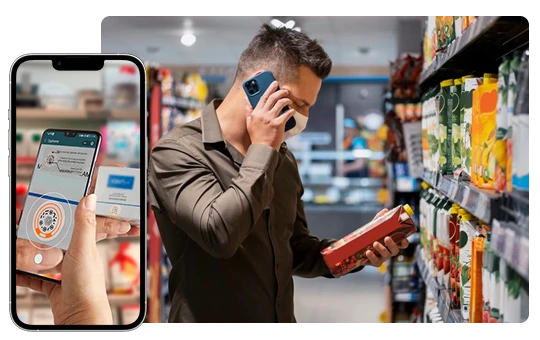
Smart labels provide consumers with a wealth of information at their fingertips. By simply scanning a QR code or tapping an NFC tag, customers can access detailed product information, usage instructions, promotional offers, and even multimedia content. This level of interactivity can significantly enhance the consumer experience, leading to increased satisfaction and brand loyalty.
Improved Supply Chain Management
RFID and other smart labeling technologies offer unparalleled visibility into supply chain operations. By tracking products from manufacturing through distribution to retail, companies can optimize their logistics, reduce inventory losses, and improve overall efficiency. This real-time tracking capability is particularly valuable in industries where product integrity and timely delivery are critical.
Better Quality Control
Temperature-sensitive and time-sensitive labels provide crucial data on the conditions products are exposed to during transit and storage. This information helps ensure that goods, especially perishables and pharmaceuticals, remain within safe temperature ranges and are consumed within their optimal timeframes. Consequently, it reduces the risk of spoilage, contamination, and product recalls.
Anti-Counterfeiting Measures
Smart labels play a vital role in combating counterfeiting, a growing concern in many industries. By incorporating unique identifiers or authentication features that are difficult to replicate, smart labels can verify the authenticity of products. Consumers can easily check if a product is genuine, and businesses can better protect their brand reputation.
Environmental Benefits
Smart labels can contribute to sustainability efforts by improving waste management and reducing resource consumption. For example, accurate tracking and monitoring can minimize overproduction and wastage. Additionally, digital information accessible through smart labels can reduce the need for extensive printed materials, lowering the environmental impact.
Implementing Smart Label Packaging: Challenges and Considerations
While the benefits of smart label packaging are substantial, implementing this technology is not without its challenges. Businesses need to consider several factors to ensure successful adoption:
Cost Implications
The initial investment in smart label technology can be significant. Costs include the purchase of RFID tags, NFC chips, or other smart label components, as well as the infrastructure required to read and process the data they generate. However, these costs can be offset by the long-term savings achieved through improved efficiency and reduced losses.
Data Security and Privacy
With the increased collection and transmission of data, businesses must prioritize data security and consumer privacy. Implementing robust encryption and authentication measures is crucial to protect sensitive information and maintain consumer trust.
Technological Integration
Integrating smart label technology with existing systems can be complex. Companies must ensure that their current infrastructure, including inventory management systems and point-of-sale terminals, can seamlessly communicate with smart labels. This may require software upgrades and employee training.
Consumer Adoption
For smart labels to be effective, consumers must be willing and able to use the technology. Educating consumers on how to interact with smart labels and the benefits they offer is essential for widespread adoption. User-friendly interfaces and clear instructions can facilitate this process.
The Future of Smart Label Packaging
The future of smart label packaging looks promising, with ongoing advancements in technology poised to further enhance its capabilities and applications. Here are some trends and innovations to watch for:
Blockchain Integration
Combining smart labels with blockchain technology can create an immutable and transparent record of a product\'s journey from production to consumer. This can enhance traceability, prevent fraud, and build consumer trust by providing verifiable information about the product\'s origin and history.
Augmented Reality (AR)
Augmented Reality (AR) can take consumer engagement to the next level. By scanning a smart label, consumers could see a virtual overlay of product information, usage demonstrations, or promotional content. This immersive experience can drive deeper brand connections and enhance the overall shopping experience.
Smart Packaging for E-Commerce
With the rapid growth of e-commerce, smart packaging solutions tailored for online retail are emerging. These solutions can include tamper-evident features, dynamic pricing updates, and personalized marketing messages triggered by smart labels, creating a more secure and engaging experience for online shoppers.
IoT Integration
The Internet of Things (IoT) can further expand the functionality of smart labels. By connecting smart labels to a network of devices, companies can gather real-time data on product conditions, track inventory levels, and even predict maintenance needs. This interconnected ecosystem can drive smarter decision-making and operational efficiency.
Key Takeaways
Smart label packaging is a transformative innovation that offers numerous benefits across various industries. From enhancing the consumer experience to improving supply chain management and ensuring product authenticity, smart labels are redefining the role of packaging in today\'s interconnected world. As technology continues to evolve, smart label packaging will likely become even more integral to business operations and consumer interactions.
At VCQRU Private Limited, we are committed to staying at the forefront of these advancements, providing our clients with cutting-edge smart label solutions that drive efficiency, security, and engagement. Embrace the future of packaging with us and discover how smart labels can revolutionize your business.
For more information about our smart label packaging solutions, visit VCQRU Private Limited. Let’s unlock the potential of smart packaging together!










Sign in to leave a comment.