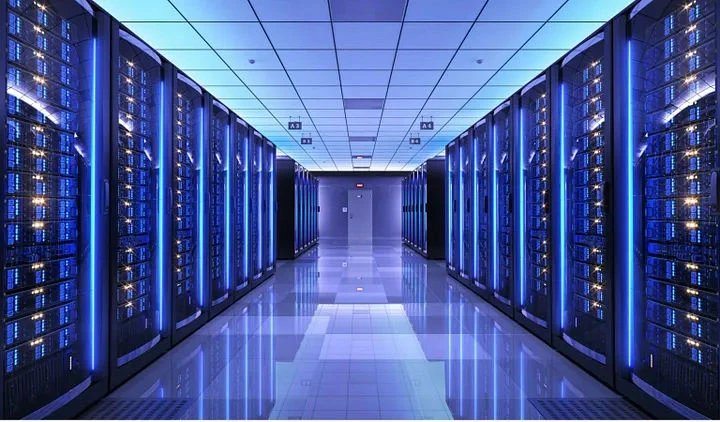

In the dynamic realm of high-performance computing (HPC), the term "HPC cluster" resonates profoundly. These clusters represent a network of interconnected computers working together harmoniously, pooling their resources to tackle complex computational tasks efficiently. But how do these clusters relate to the colossal presence of supercomputers, and what sets them apart?
HPC clusters embody a parallel computing architecture, weaving together numerous individual computers or nodes, each with its processing power. These nodes collaborate seamlessly, communicating and sharing data across a high-speed network. This collaborative approach empowers them to solve intricate problems faster than a single computer could manage.
A defining characteristic of an HPC cluster is its scalability. These clusters can scale up by adding more nodes, enhancing computational capacity. This scalability enables them to handle diverse workloads, from scientific simulations and weather forecasting to data analysis and artificial intelligence algorithms.
Now, let's explore the connection between HPC clusters and supercomputers. A supercomputer is essentially a high-performance computing system designed for executing extremely complex calculations and processing vast volumes of data at unparalleled speeds. Interestingly, many supercomputers harness the power of HPC clusters at their core.
Supercomputers often comprise interconnected HPC clusters, leveraging their collective strength to deliver exceptional computational prowess. These clusters work cohesively, dividing tasks into smaller segments that individual nodes can handle simultaneously, leading to remarkable speed and efficiency in computation.
However, while HPC clusters are an integral part of supercomputers, not all HPC clusters are part of supercomputers. HPC clusters exist independently, serving various industries and research domains. They offer a cost-effective solution for organizations requiring substantial computational power without investing in a dedicated supercomputer.
The relationship between HPC clusters and supercomputers extends beyond their architecture. Both are driving forces behind groundbreaking advancements in science, engineering, medicine, and numerous other fields. They empower researchers, scientists, and innovators to explore uncharted territories, solve complex problems, and accelerate innovation.
In conclusion, HPC clusters epitomize collaborative computing, weaving individual nodes into a powerful network capable of remarkable computational feats. Their relationship with supercomputers is symbiotic, with many supercomputers harnessing the strength of interconnected HPC clusters. Understanding these intricacies unveils the sheer potential these systems hold in transforming the landscape of computational capabilities across various industries.









Sign in to leave a comment.