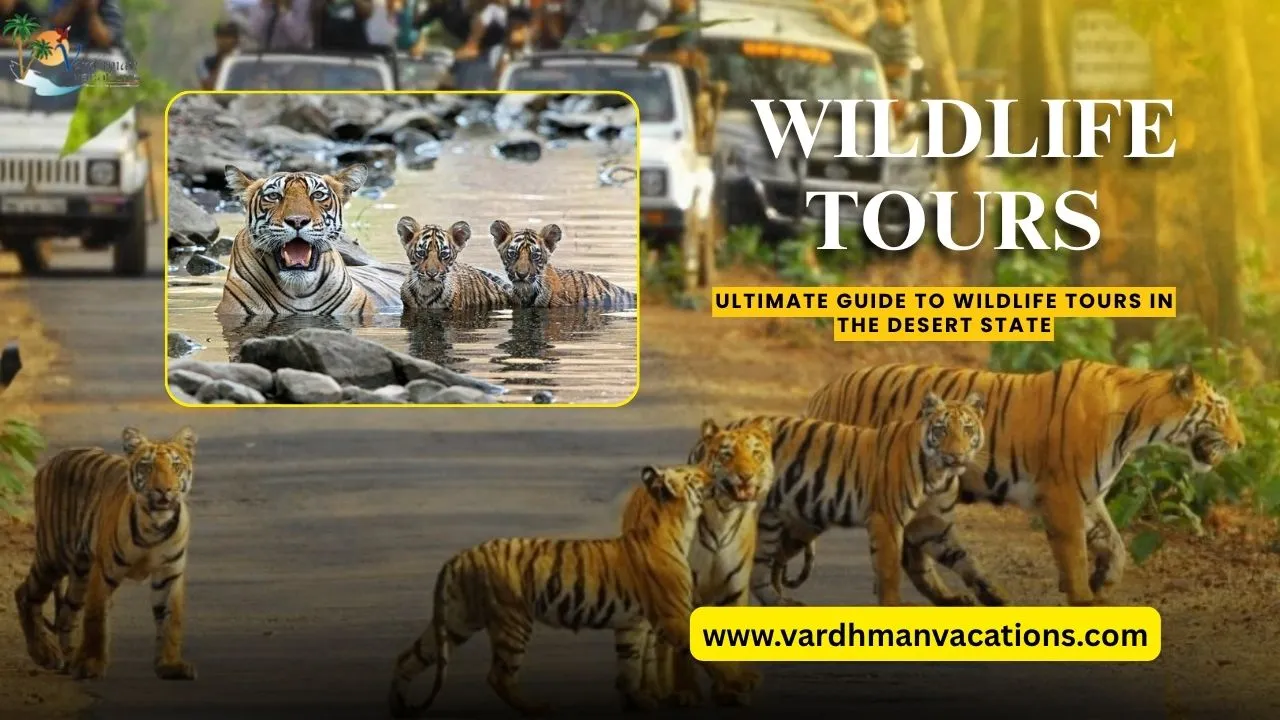

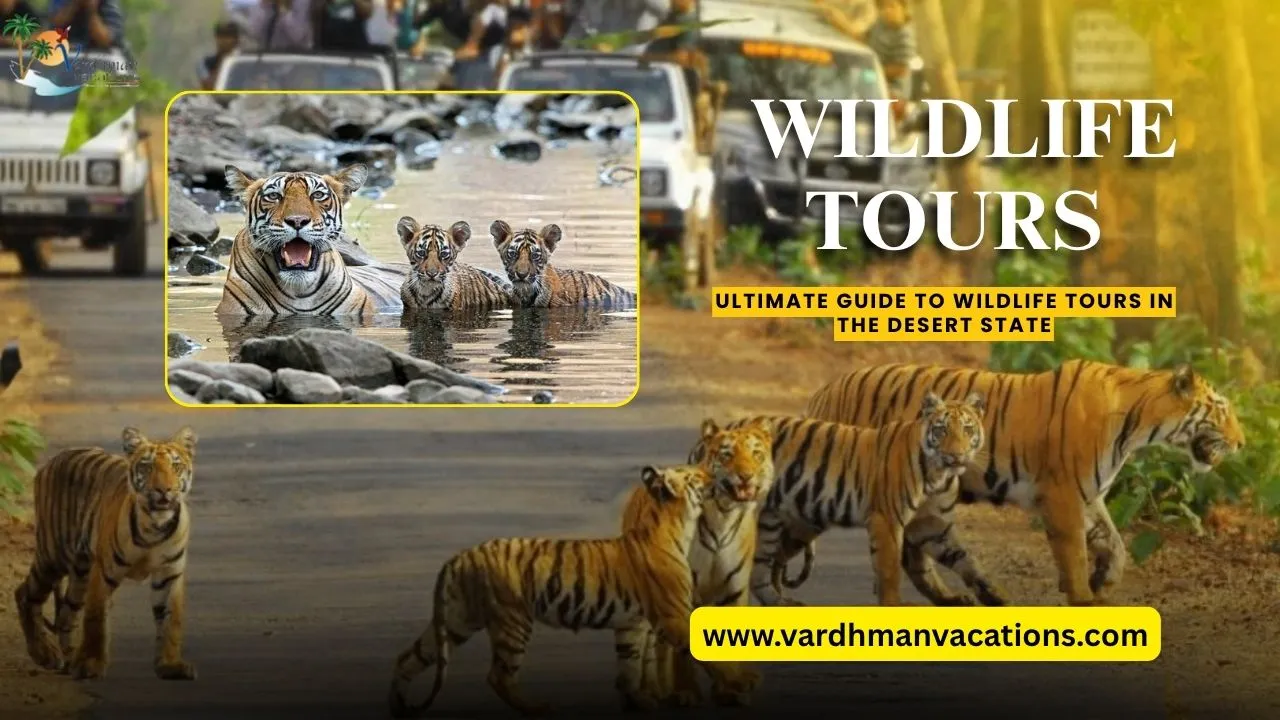
Rajasthan grabs your eye with its golden forts and colorful markets. But step off the tourist path, and you'll find a hidden world of wild animals thriving in the dry lands. Think striped tigers prowling ancient ruins or flocks of birds filling the sky. This guide dives deep into Rajasthan wildlife tours. We'll cover top spots like Ranthambore National Park, Sariska Tiger Reserve, and Keoladeo Ghana National Park in Bharatpur. Get ready to plan your own safari adventure, spot key species such as the Bengal tiger, and learn how to visit with respect for nature.
The Jewels of Rajasthan: Premier Wildlife Destinations
Rajasthan Wildlife Tours packs a punch with its mix of deserts, hills, and wetlands. These areas shelter a wide range of animals, from big cats to rare birds. Each park offers unique views and chances to see wildlife up close during guided tours.
Ranthambore National Park: Tiger Territory Central
Ranthambore National Park sits in the Sawai Madhopur district. It's famous for Bengal tigers that roam free. You might spot one lounging by a lake or crossing a dusty trail. The park blends thick forests with old forts from the 10th century. These ruins add a magical touch to your jeep ride.
The Bengal tiger, or Panthera tigris tigris, rules here. Over 70 tigers call this home, thanks to strong protection efforts. Mornings bring cooler air, so tigers hunt more often then. Afternoons see them resting in shade.
For the best sightings, pick zones 1 to 5 in the morning. These areas have more water holes where tigers gather. In the afternoon, try zones 6 to 10 for quieter spots with fewer crowds. Book early to snag these prime slots.
Sariska Tiger Reserve: A Resurgent Success Story
Sariska Tiger Reserve lies in the Alwar district, wrapped in the Aravalli hills. Once hit hard by poaching, it bounced back with tiger reintroductions starting in 2008. Now, about 25 tigers live here, proving conservation works.
The rugged hills create a tough yet beautiful home. Dry scrub forests cover the land, dotted with rocky outcrops. Leopards hide in these spots, along with nilgai, the blue bulls of India. You could see sambar deer grazing nearby.
Beyond tigers, check out the birds like peacocks and vultures. The reserve also protects sloth bears and striped hyenas. Jeep safaris let you explore deep into the terrain. Stay alert—wildlife pops up around every bend.
Keoladeo Ghana National Park (Bharatpur): Avian Paradise
Keoladeo Ghana National Park, or Bharatpur Bird Sanctuary, draws bird lovers from everywhere. This UNESCO World Heritage site spans 29 square kilometers of wetlands. It hosts over 370 bird species, including migrants from Siberia and Central Asia.
Winter brings the big show. Around 100,000 birds arrive each year, from November to March. Spot painted storks nesting in tall trees or sarus cranes wading in shallow waters. The park's history ties back to the 18th century, when maharajas built it as a duck hunting ground.
Cycle rickshaws make for easy spotting without noise. Walk the trails to get closer to the action. Keep your eyes peeled for rare finds like the Siberian white crane, which visits now and then.
Planning Your Wildlife Safari in Rajasthan
A great Rajasthan wildlife tour needs smart planning. From timing your trip to booking rides, every step counts. Let's break it down so you can focus on the fun.
Choosing the Right Season for Sightings
The best time for wildlife tours in Rajasthan falls between October and March. Dry weather makes animals head to water spots, easier to see. Tigers and leopards stand out against the bare landscape.
Summers from April to June get too hot, pushing wildlife into hiding. Monsoons in July to September flood paths and close some parks. But if you go then, you'll see lush green forests and baby animals.
Experts note that tigers change habits with the seasons. In winter, they roam more during the day. Pick cooler months for your best shot at close encounters. Have you ever wondered why birds flock here in winter? It's the perfect mild weather for their long flights.
Safari Logistics and Booking Essentials
Start by booking safari permits online through the official Rajasthan forest website. For Ranthambore, slots fill up three months ahead, so plan early. Sariska and Bharatpur need less wait, but don't delay.
Choose between jeep safaris for small groups or canter safaris for up to 20 people. Jeeps get you deeper into prime zones, ideal for tiger hunts. Canters cover more ground but feel busier.
Here's a quick step-by-step guide:
- Check park websites for dates and availability.
- Pay the fee—around 1,000 rupees for Indians, more for foreigners.
- Arrive at the gate by 6 AM for morning runs or 2:30 PM for evenings.
- Carry ID and follow guide rules.
To grab top slots, set alerts or use apps like TourMyIndia. Weekdays beat weekends for fewer crowds.
Accommodation Strategies: Inside vs. Outside the Park Gates
Staying inside the park gates puts you right in the action. Forest lodges like those in Ranthambore offer wake-up calls for dawn safaris. But they cost more and book fast.
Outside options, like resorts in Sawai Madhopur, give comfort at lower prices. You drive 20-30 minutes to the gate each day. Pools and spas help you unwind after bumpy rides.
Weigh your needs: Want quick access? Go inside. Budget tight? Stay out and save. Many spots blend both, like eco-resorts with park views.
Beyond the Tiger: Discovering Rajasthan’s Diverse Fauna
Tigers steal the show, but Rajasthan's wildlife runs deeper. From sneaky leopards to desert runners, each animal tells a story of survival. Explore these lesser-known gems on your tour.
Tracking the Ghost Cat: Leopard Sightings in Lesser-Known Sanctuaries
Leopards blend into shadows, earning their ghost cat name. Jhalana Leopard Reserve near Jaipur tops the list for sightings. This small park packs in over 30 leopards thanks to active tracking.
In Udaipur's Machiya Magra area, leopards share space with langurs and deer. Guides use spotting scopes to point them out on rocky cliffs. A conservation project here relocated problem leopards, boosting numbers safely.
Don't just chase cats—watch for cubs playing at dusk. These spots offer intimate views away from tiger crowds. Pack binoculars for the thrill.
Desert Life: Wildlife of the Thar Ecosystem
The Thar Desert in western Rajasthan hosts tough survivors. Desert National Park near Jaisalmer protects species built for dry heat. Blackbucks sprint across sandy plains, their horns curving like scimitars.
The great Indian bustard, a large bird, struts here too. With under 150 left, sightings feel special. Camels and foxes roam at night, hunting small prey.
Safaris on camelback add adventure. Visit in winter to avoid scorching days. This arid world shows how life adapts where water is scarce.
Marshlands and Wetlands: Crocodiles and Reptiles
Wetlands around Sawai Madhopur and Bharatpur hide scaly secrets. Mugger crocodiles bask on riverbanks, jaws ready for fish. These 10-foot giants thrive in calm waters near Ranthambore.
Snakes like cobras slither through grasses, adding edge to your walk. Pythons coil in trees, waiting for meals. Bharatpur's marshes also shelter turtles and frogs.
Boat rides reveal these reptiles without disturbance. Spot them sunning after cool nights. It's a reminder of the food chain in action.
Sustainable Tourism and Responsible Wildlife Photography
Your visit can help or hurt these wild places. Choose actions that protect them. Simple steps keep Rajasthan's biodiversity strong for years.
Minimizing Your Footprint on Fragile Ecosystems
Stick to marked paths during safaris. Straying off trail harms plants and scares animals. Leave no trash—pack out what you bring in.
Support local guides who know the rules. They share tips on quiet behavior. Ask about community projects, like anti-poaching patrols.
Do:
- Use eco-friendly sunscreen.
- Opt for solar-powered lodges.
- Limit group sizes.
Don't:
- Feed wildlife.
- Play loud music.
- Buy animal souvenirs.
These habits build trust with nature.
Wildlife Photography Etiquette
Snap photos without flash—it startles animals. Keep a 50-meter distance from tigers or elephants. Silence your phone to avoid echoes in the bush.
Parks ban drones to protect nests. For big cameras, get permits at the gate. Pros follow the same rules as tourists.
Capture moments ethically. Think of that tiger's calm stare through your lens. It beats a blurry shot every time.
Your Rajasthani Wildlife Adventure Awaits
Ranthambore, Sariska, and Bharatpur stand out as must-see spots for Rajasthan wildlife tours. Ranthambore delivers tiger thrills amid ruins. Sariska shows comeback stories in hilly wilds. Bharatpur wings you away with birds in wetlands.
Rajasthan mixes old forts with vital conservation. Your trip supports that balance. Book now, pack light, and head out. The desert state's wild side calls—what are you waiting for?

























Sign in to leave a comment.