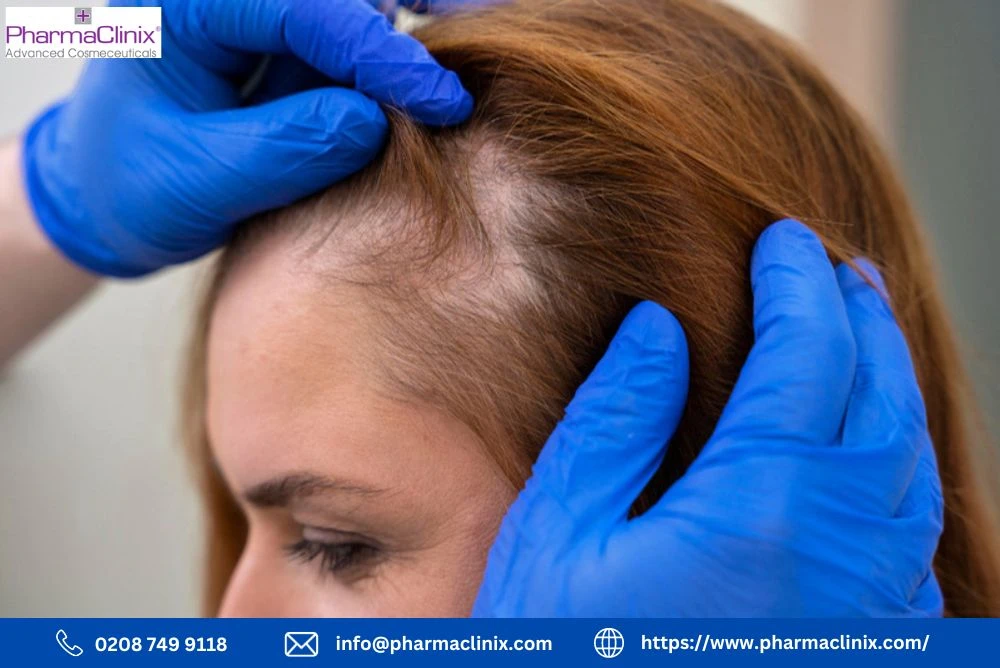

In the realm of dermatology, keratin overproduction is a phenomenon that has garnered significant attention. From its effects on skin health to its role in various skin conditions, the abundance of keratin can have both positive and negative implications. In this comprehensive guide, we delve into the intricacies of keratin overproduction, exploring its causes, effects, and potential treatment options.
Understanding Keratin: The Building Block of Skin
What is Keratin?
Keratin is a fibrous protein that serves as the structural foundation of skin, hair, and nails. It forms a protective barrier against external elements and helps maintain the integrity and elasticity of these tissues.
The Role of Keratinocytes
Keratinocytes, the predominant cells in the epidermis, are responsible for producing keratin. These specialized cells undergo a process called keratinization, during which they fill with keratin and migrate to the skin\'s surface, forming a protective layer.
Causes of Keratin Overproduction
Genetic Factors
In some cases, keratin overproduction may be hereditary, resulting from genetic mutations that affect the regulation of keratinocyte activity. Conditions such as hyperkeratosis are examples of genetic disorders characterized by excessive keratin buildup.
Environmental Triggers
Exposure to environmental factors such as harsh chemicals, pollutants, and ultraviolet (UV) radiation can stimulate keratin production as a defense mechanism. Chronic exposure to these triggers may lead to persistent overproduction of keratin.
Skin Conditions
Several skin conditions are associated with keratin overproduction, including:
- Keratosis Pilaris: A common condition characterized by rough, dry patches of skin and small, acne-like bumps.
- Seborrheic Keratosis: Benign growths that appear as waxy, stuck-on lesions on the skin\'s surface.
- Psoriasis: An autoimmune disorder that causes rapid skin cell turnover, resulting in thick, scaly patches.
Effects of Keratin Overproduction on Skin Health
Impaired Skin Texture
Excessive keratin buildup can lead to rough, uneven skin texture, making it prone to dryness and flakiness. This can detract from the skin\'s overall appearance and contribute to feelings of self-consciousness.
Blocked Hair Follicles
In conditions like keratosis pilaris, the excess keratin can block hair follicles, leading to the formation of small, rough bumps known as follicular plugs. These bumps may be cosmetically bothersome and occasionally cause discomfort or itching.
Increased Susceptibility to Infection
The accumulation of keratin can create a favorable environment for bacteria and fungi to thrive, increasing the risk of infections such as folliculitis and fungal dermatitis. Proper skincare and hygiene practices are essential for minimizing this risk.
Treatment Approaches for Keratin Overproduction
Topical Exfoliants
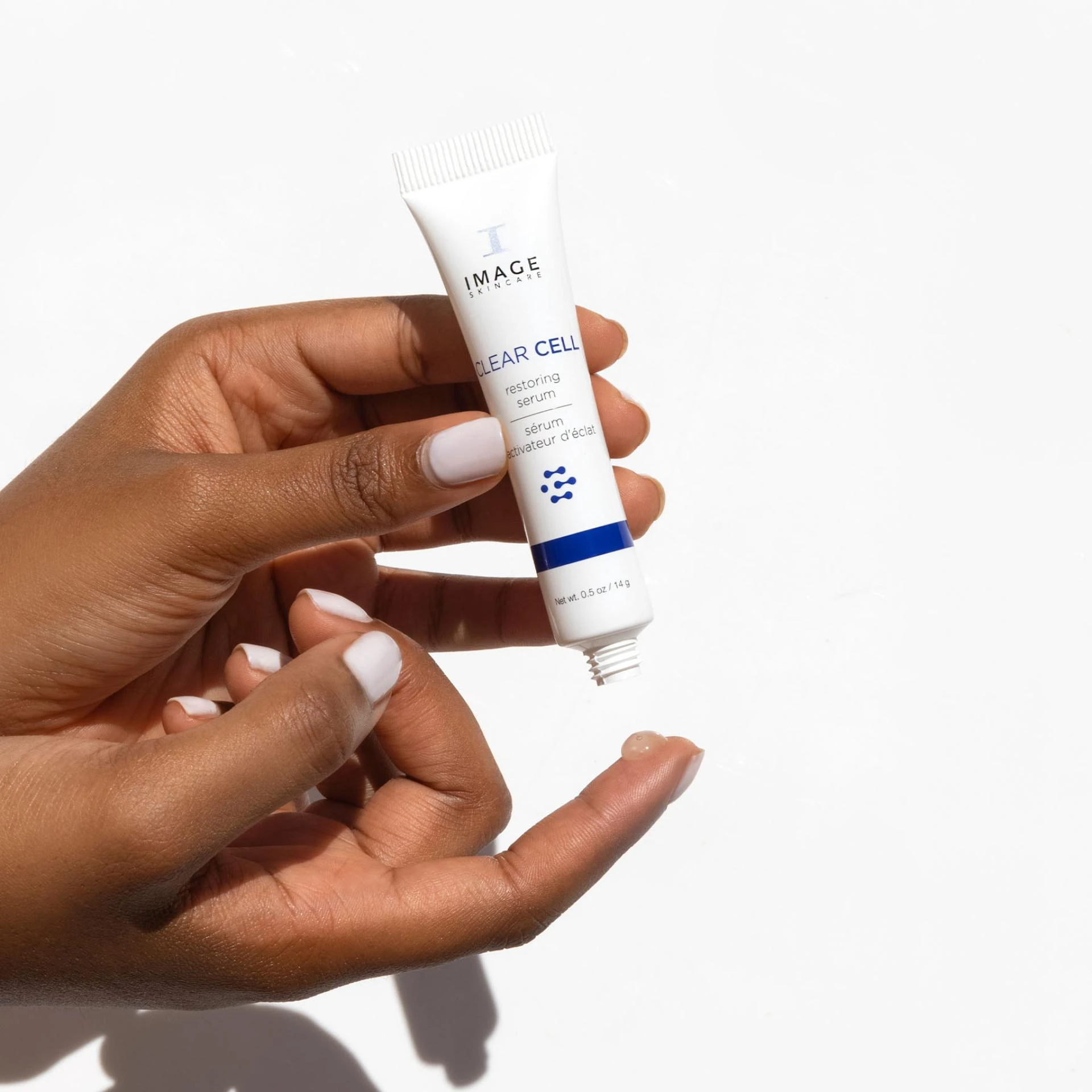
Topical exfoliating agents containing ingredients like salicylic acid or alpha hydroxy acids can help remove dead skin cells and reduce keratin buildup. Regular exfoliation can improve skin texture and reduce the appearance of rough patches.
Moisturization
Keeping the skin well-hydrated with emollient-rich moisturizers can help soften rough, dry areas and prevent excessive keratin accumulation. Moisturizers containing ingredients like urea or lactic acid can aid in gentle exfoliation and hydration.
Retinoids
Topical retinoids, derived from vitamin A, are effective in promoting cell turnover and preventing keratin buildup. They help unclog pores, improve skin texture, and reduce the formation of follicular plugs associated with conditions like keratosis pilaris.
Frequently Asked Questions (FAQs)
Q: Can keratin overproduction be prevented?
A: While genetic factors may predispose individuals to keratin overproduction, adopting a healthy skincare regimen and avoiding harsh environmental triggers can help minimize its effects.
Q: Are there any natural remedies for reducing keratin buildup?
A: Certain natural ingredients like coconut oil, oatmeal, and honey possess moisturizing and exfoliating properties that may help alleviate keratin-related concerns.
Q: Is keratin overproduction linked to hair loss?
A: While keratin plays a role in hair structure, excessive keratin production primarily affects the skin rather than the hair follicles directly.
Q: Can dietary changes impact keratin levels in the skin?
A: While maintaining a balanced diet rich in vitamins and nutrients is essential for overall skin health, there is limited evidence to suggest that specific dietary changes directly influence keratin production.
Q: Are there any risks associated with exfoliating products for keratin overproduction?
A: Excessive or aggressive exfoliation can disrupt the skin\'s natural barrier and lead to irritation or sensitivity. It\'s important to use exfoliating products as directed and to patch-test new products before widespread use.
Conclusion
In conclusion, keratin overproduction is a complex phenomenon with diverse implications for skin health. While it plays a vital role in protecting the skin, excessive buildup can lead to various dermatological issues. Understanding the causes and effects of keratin overproduction is crucial for implementing effective treatment strategies and maintaining optimal skin health.












Sign in to leave a comment.