
Introduction
In the expansive landscape of global energy markets, few regions command as much attention and influence as the Gulf Cooperation Council (GCC). Comprising six affluent nations nestled around the Arabian Gulf, the GCC has emerged as a pivotal player in the realm of oil and gas. This article endeavors to delve deep into the intricate workings of the GCC oil and gas market, unraveling its complexities and shedding light on its pivotal role in the global energy landscape.
Understanding the GCC: A Brief Overview
Before delving into the specifics of the oil and gas market within the GCC, it's essential to grasp the geopolitical and economic underpinnings of the region. The GCC is a political and economic alliance consisting of Bahrain, Kuwait, Oman, Qatar, Saudi Arabia, and the United Arab Emirates (UAE). These nations boast abundant hydrocarbon reserves, with oil and gas serving as the cornerstone of their economies.
The Powerhouses: Saudi Arabia and the UAE
Saudi Arabia and the UAE stand out as the twin titans of the GCC oil and gas industry. Saudi Arabia, home to the world's largest proven oil reserves, wields immense influence over global oil markets. The UAE, on the other hand, has rapidly diversified its economy but remains deeply entrenched in the oil and gas sector.
Market Dynamics: Supply and Demand
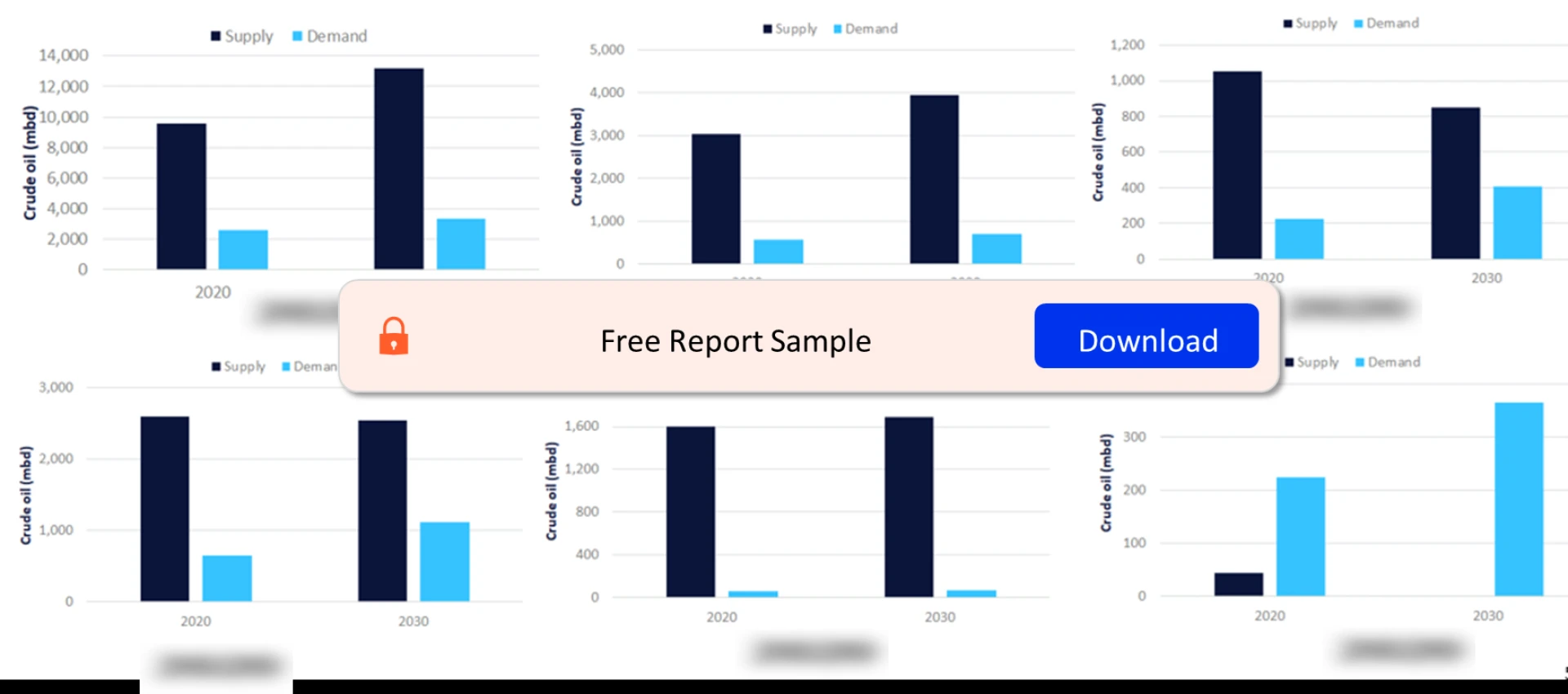
The GCC oil and gas market operates within the broader framework of global supply and demand dynamics. The region's abundant reserves ensure a steady supply of crude oil and natural gas, contributing significantly to global energy security. Moreover, the strategic location of GCC nations facilitates oil and gas exports to markets worldwide, further cementing their position as energy powerhouses.
Exploration and Production: Driving Growth
Exploration and production activities form the bedrock of the GCC oil and gas industry. Advanced technologies and extensive investment have enabled GCC nations to extract hydrocarbons efficiently from their vast reserves. Furthermore, ongoing efforts to diversify the energy mix through renewable sources signal a shift towards sustainable energy practices.
Market Trends and Challenges
Despite its prominence, the GCC oil and gas market faces a myriad of challenges and uncertainties. Fluctuating oil prices, geopolitical tensions, and the rise of renewable energy pose significant threats to the region's energy sector. Moreover, shifting consumer preferences and growing environmental concerns necessitate a paradigm shift towards cleaner and more sustainable energy solutions.
Future Outlook: Navigating Opportunities
In the face of evolving challenges, the GCC oil and gas industry remains resilient, poised to capitalize on emerging opportunities. Strategic investments in downstream infrastructure, technological innovation, and renewable energy initiatives offer a glimpse into the region's future trajectory. By embracing diversification and sustainability, GCC nations can chart a course towards long-term prosperity and energy security.
Conclusion
In conclusion, the GCC oil and gas market stands as a beacon of strength and resilience in the global energy landscape. With abundant reserves, strategic positioning, and a commitment to innovation, GCC nations continue to shape the future of energy. By navigating challenges and seizing opportunities, the region is primed to maintain its status as a key player in the ever-evolving world of oil and gas.
Buy the Full Report to Know More about the Countries in the GCC Supply and Demand Market
Enquire & DecideDiscover the perfect solution for your business needs. Enquire now and let us help you make an informed decision before making a purchase.





























Sign in to leave a comment.