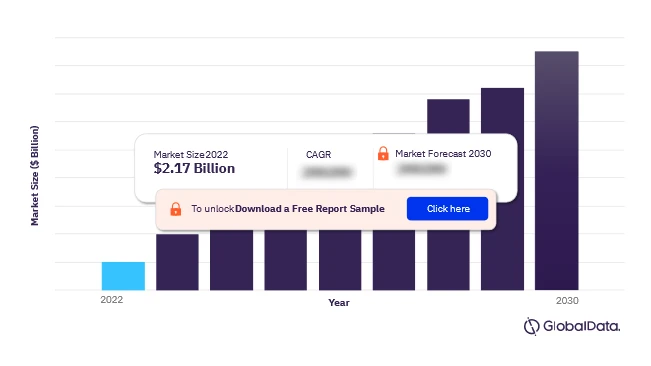

Understanding the Telehealth Market
The telehealth market encompasses a wide spectrum of remote healthcare services and digital communication tools aimed at providing medical consultation, diagnosis, treatment, and education to patients from a distance. This sector has gained immense prominence due to its ability to bridge geographical gaps, improve healthcare accessibility, and enhance patient outcomes.
Key Segments and Sub-Segments
Telemedicine Services
Real-time Virtual Consultations: Enabling patients to consult with healthcare professionals in real time, addressing non-emergency medical concerns promptly.Remote Monitoring: Facilitating the tracking of patients' vital signs and health data from afar, ensuring proactive intervention in chronic conditions.Digital Health Platforms
Mobile Health Apps: Empowering patients to manage their health through smartphone applications, offering features such as medication reminders, symptom trackers, and teleconsultations.Web-based Portals: Providing a comprehensive platform for patients to access medical records, schedule appointments, and communicate with healthcare providers.Telepsychiatry and Behavioral Health
Virtual Therapy Sessions: Offering mental health support through video conferencing, making therapy more accessible and convenient for patients.Remote Counseling Services: Providing individuals with remote access to licensed therapists for various behavioral health concerns.Influential Trends in the Telehealth Industry
Rise of Remote Care Telehealth has gained momentum due to the need for remote medical services, especially during the COVID-19 pandemic. Patients and healthcare providers have embraced virtual consultations for routine check-ups, follow-ups, and non-urgent medical queries.
Integration of AI and IoT The integration of artificial intelligence (AI) and the Internet of Things (IoT) has empowered telehealth platforms to provide predictive analytics, personalized treatment recommendations, and remote patient monitoring with greater accuracy.
Enhanced Data Security Telehealth providers are implementing robust data encryption and security measures to safeguard patients' sensitive medical information and comply with privacy regulations.
Challenges in the Telehealth Market
Digital Divide Not all individuals have equal access to technology and high-speed internet, which poses challenges in reaching underserved populations and ensuring equitable healthcare access.
Licensing and Regulation Telehealth services often transcend state and national boundaries, requiring healthcare providers to navigate complex licensing and regulatory frameworks.
Diagnostic Limitations While telehealth can facilitate remote consultations, certain medical conditions necessitate in-person evaluations and diagnostic tests, which can limit the scope of virtual care.
Future Prospects and Opportunities
The telehealth market is poised for exponential growth, fueled by ongoing technological advancements and evolving consumer preferences. Key areas of future development include:
Remote Surgical Procedures: Advancements in robotics and telepresence technology could enable skilled surgeons to perform complex procedures on patients located in different geographical locations.Personalized Treatment Plans: The integration of AI-driven diagnostics will enable telehealth platforms to offer tailored treatment plans based on patients' medical history and data.










Sign in to leave a comment.