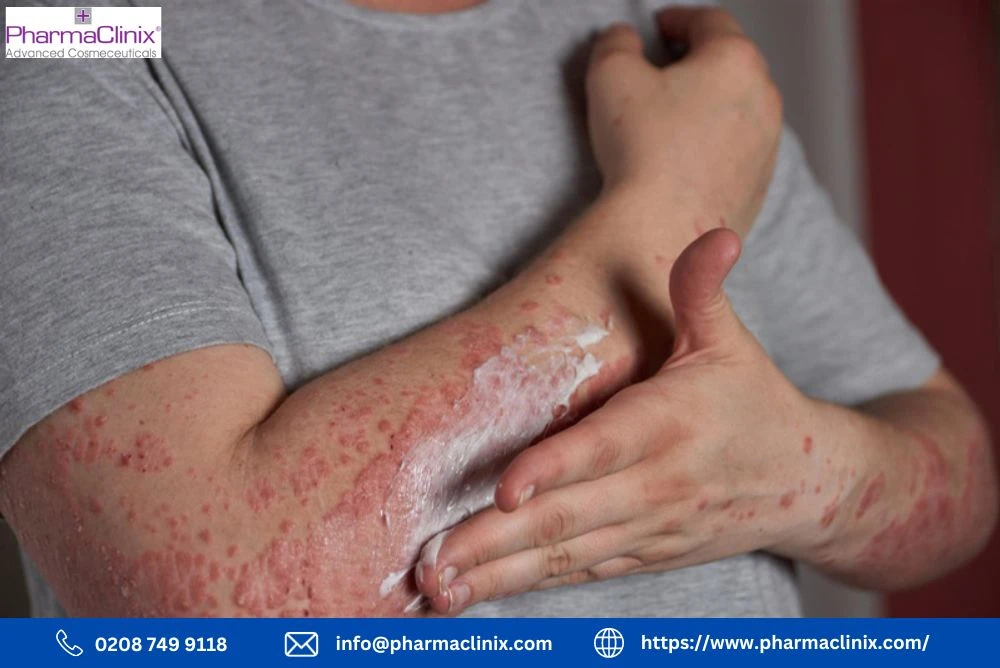

Do you ever feel like your skin is telling a story? Sometimes, it whispers tales of joy and laughter, while other times, it screams of battles fought beneath the surface. Today, we\'re delving into one of those silent struggles: post inflammatory hyperpigmentation eczema. It\'s more than just a mouthful; it\'s a journey of resilience and recovery that many endure without a voice. Join us as we shed light on this often misunderstood condition and explore ways to navigate its challenges.
What is Post Inflammatory Hyperpigmentation?
Post inflammatory hyperpigmentation (PIH) is like a ghost of past skin traumas. When your skin suffers an injury or inflammation—be it from acne, burns, or in this case, eczema—your body produces excess melanin as part of the healing process. This surplus of pigment can lead to dark patches or spots on your skin, even after the initial issue has resolved.
Understanding Eczema and its Impact
Eczema, also known as atopic dermatitis, is a chronic skin condition characterized by inflammation, redness, itching, and sometimes blistering. It\'s not just a physical ailment; it can take a toll on your mental and emotional well-being too, affecting self-esteem and quality of life.
The Link between Eczema and Hyperpigmentation
Picture your skin as a canvas, and eczema as an artist with a heavy hand. The constant inflammation and scratching associated with eczema disrupt the delicate balance of your skin, leaving behind scars and discoloration. This sets the stage for post inflammatory hyperpigmentation to make its grand entrance, adding another layer to the already complex portrait of your skin.
Triggers and Aggravators
Eczema is like a detective mystery; sometimes, it\'s hard to pinpoint the culprit. From environmental factors like pollen and pet dander to lifestyle choices such as stress and certain skincare products, a multitude of triggers can exacerbate eczema flare-ups and, subsequently, hyperpigmentation.
Signs and Symptoms
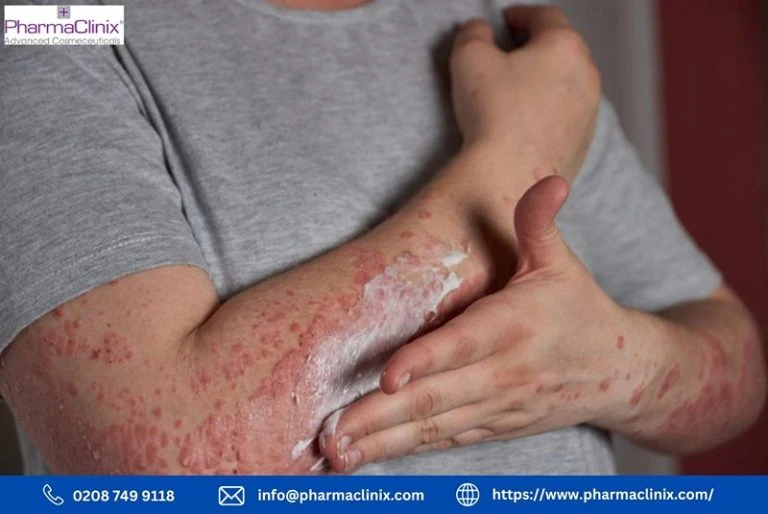
Dark Patches: Notice those darker spots lingering on your skin, like shadows of past struggles? That\'s one of the signs. These patches often appear on areas where eczema has flared up before.
Uneven Skin Tone: Ever felt like your skin\'s playing a game of hide-and-seek with its color? Post inflammatory hyperpigmentation eczema can make your skin tone look uneven, with some areas darker than others.
Persistent Discoloration: It\'s like a stubborn guest overstaying their welcome. Even after the eczema flare-up subsides, the dark spots might stick around, reminding you of the battle your skin fought.
Itchy Sensation: Picture an itch you can\'t scratch away. That\'s the itchiness often associated with eczema, signaling potential post inflammatory hyperpigmentation to come.
Redness and Inflammation: Sometimes, your skin might resemble a ripe tomato, all red and inflamed. These are common symptoms of eczema and can precede the appearance of post inflammatory hyperpigmentation.
Tenderness and Sensitivity: Your skin might feel more delicate than a fragile butterfly wing, especially in areas affected by eczema. This tenderness and sensitivity are telltale signs that post inflammatory hyperpigmentation could be lurking.
Diagnosis and Treatment Options
Seeking professional help is key to managing post inflammatory hyperpigmentation eczema effectively. A dermatologist can diagnose the condition through visual examination and may recommend treatments such as topical creams, laser therapy, or chemical peels to lighten dark spots and even out skin tone.
Lifestyle Adjustments
Your skin is a reflection of your lifestyle. Making small changes like avoiding harsh soaps, wearing sunscreen daily, and practicing stress-relieving techniques can help calm inflammation and minimize the risk of hyperpigmentation.
Skincare Regimen
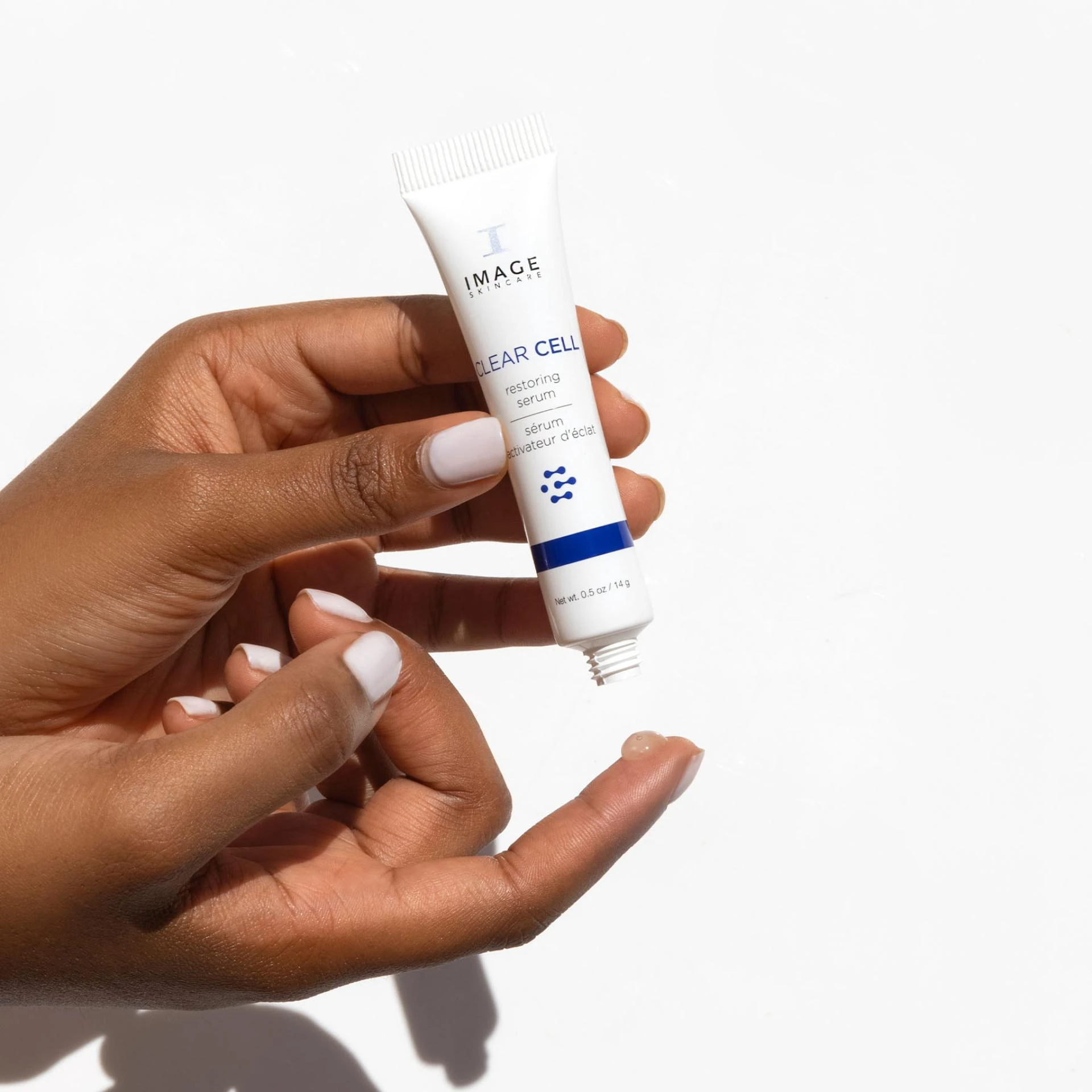
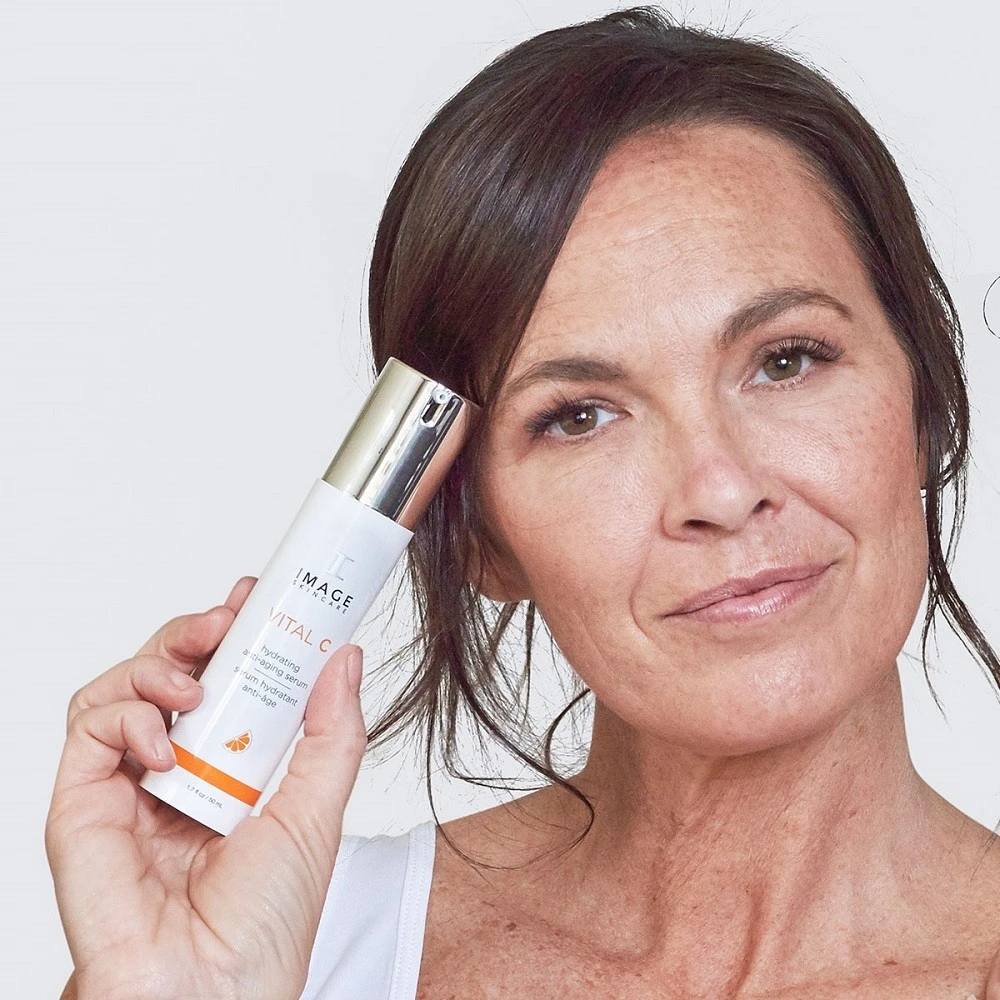
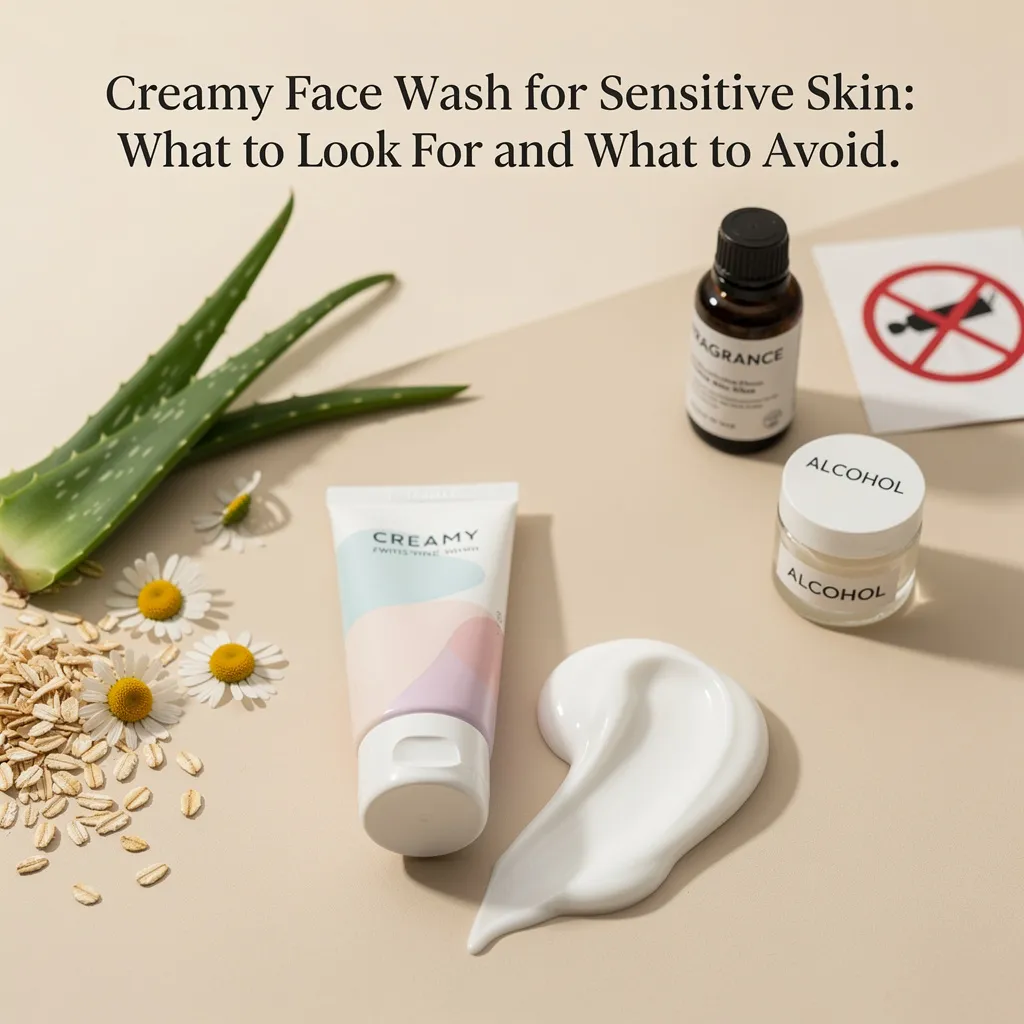
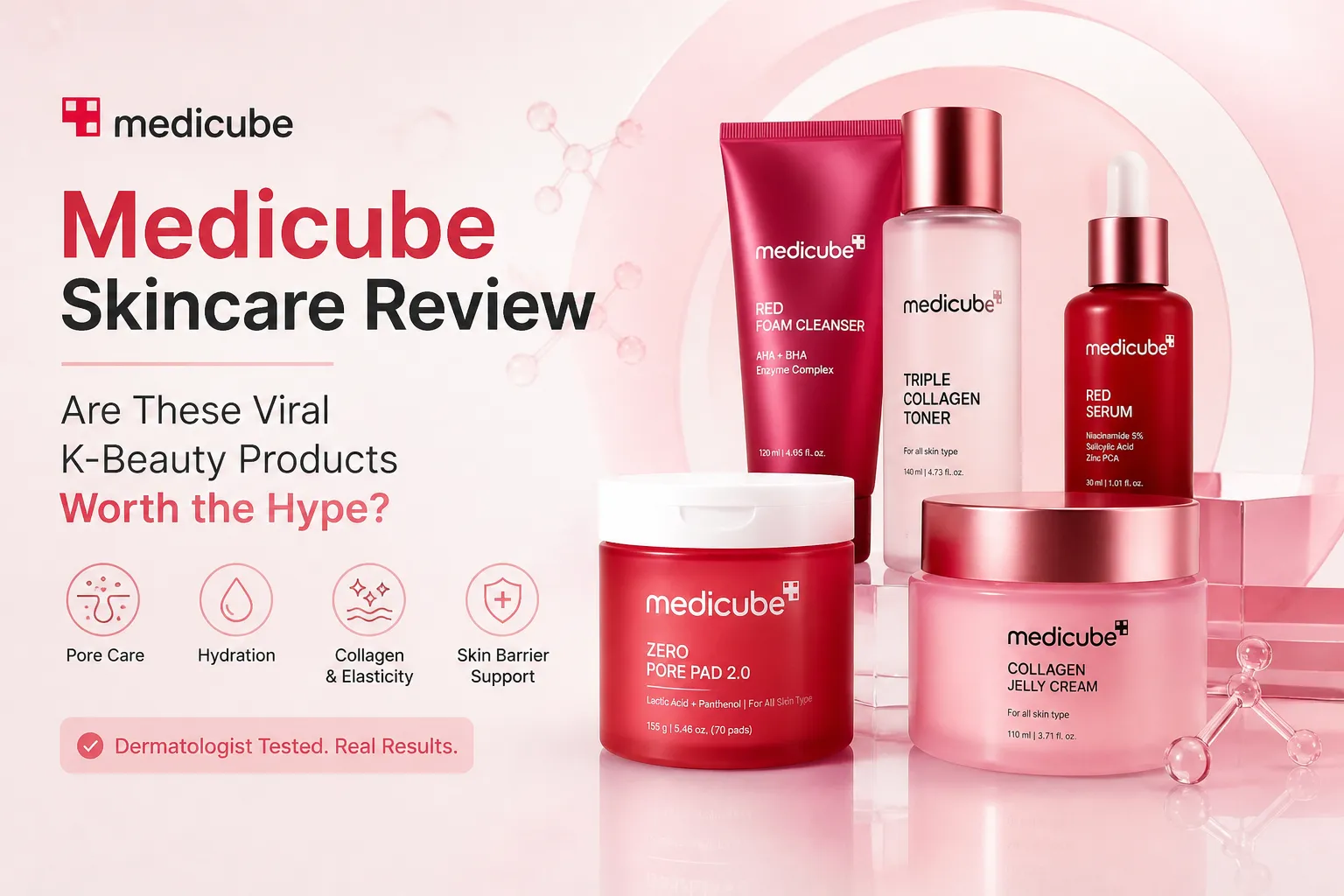
Nourishing your skin is a form of self-love. Opt for gentle, fragrance-free skincare products that won\'t further irritate sensitive skin. Incorporating ingredients like vitamin C, niacinamide, and retinoids can also aid in fading hyperpigmentation and promoting skin renewal.
Psychological Impact
Living with post inflammatory hyperpigmentation eczema can take an emotional toll. It\'s more than just skin deep; it\'s about navigating societal beauty standards and learning to embrace your skin\'s unique journey. Remember, you\'re not alone, and reaching out for support can make all the difference.
Seeking Support
Whether it\'s joining online communities, seeking therapy, or confiding in loved ones, finding support is crucial in coping with the challenges of post inflammatory hyperpigmentation eczema. Surround yourself with understanding individuals who uplift and empower you on your journey to skin acceptance.
Prevention Strategies
An ounce of prevention is worth a pound of cure. Protect your skin by moisturizing regularly, avoiding scratching or picking at eczema patches, and being mindful of potential triggers. By taking proactive measures, you can minimize the risk of post inflammatory hyperpigmentation and maintain healthy skin.
FAQs (Frequently Asked Questions)
Q: Can post inflammatory hyperpigmentation eczema be completely cured?
A: While there\'s no cure for post inflammatory hyperpigmentation eczema, effective management strategies can help minimize its appearance and improve skin health.
Q: Are there any natural remedies for treating post inflammatory hyperpigmentation?
A: Natural remedies like aloe vera, honey, and green tea extract may offer temporary relief and nourishment for the skin, but they\'re not a substitute for medical treatment.
Q: Will post inflammatory hyperpigmentation eczema worsen with age?
A: The severity of post inflammatory hyperpigmentation eczema can vary from person to person and may fluctuate over time. Proper skincare and lifestyle habits can help mitigate its progression.
Q: Can makeup exacerbate post inflammatory hyperpigmentation eczema?
A: Certain makeup products containing irritants or allergens can potentially worsen eczema symptoms and trigger hyperpigmentation. Opt for hypoallergenic and non-comedogenic formulas to minimize the risk.
Q: Is it safe to undergo laser treatment for post inflammatory hyperpigmentation eczema?
A: Laser therapy can be an effective option for treating post inflammatory hyperpigmentation, but it\'s essential to consult with a dermatologist to determine the most suitable treatment plan based on your skin type and medical history.
Conclusion
In the tapestry of life, our skin tells a story of resilience, vulnerability, and triumph. Post inflammatory hyperpigmentation eczema may leave its mark, but it doesn\'t define who you are. Embrace your skin\'s journey, seek support when needed, and remember that beauty comes in all shades and textures.













Sign in to leave a comment.