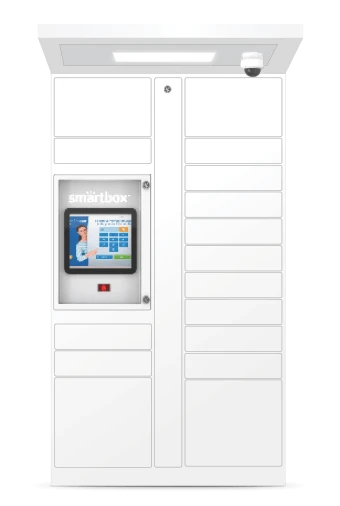

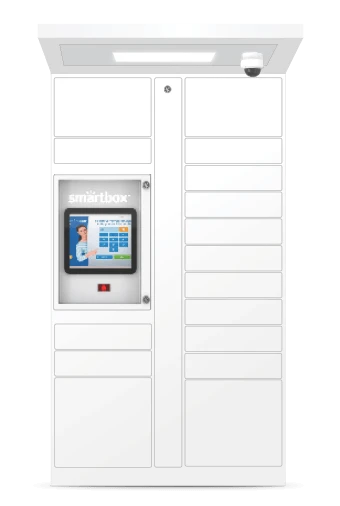
Outdoor parcel lockers have become a ubiquitous sight in recent years. These secure storage units streamline package delivery for online shoppers and alleviate pressure on property managers.
However, the potential of these versatile structures extends far beyond receiving that latest online purchase. By reimagining their functionality, outdoor parcel lockers can transform into valuable community assets, fostering engagement and supporting local businesses.
Unleashing the Community Hub Within
Imagine a scenario where a resident needs a basketball for a friendly weekend game but lacks the space to store one. Enter the concept of outdoor lockers as a community hub. These lockers could be designated to secure shared items within a neighbourhood or apartment complex.
Residents could borrow sports equipment, gardening tools, or party supplies, fostering collaboration and reducing clutter. This fosters a sense of community by encouraging resource sharing and reducing the need for everyone to own every item they might use infrequently.
Local Businesses Get a Boost
The benefits extend beyond residents. Local businesses can leverage outdoor lockers to enhance their customer service offerings. Dry cleaners and laundry services could offer convenient pick-up and drop-off points through designated lockers. Restaurants could utilise them for takeout orders, allowing customers to grab their meals at leisure without waiting in line.
This integration creates a win-win situation. Businesses gain a wider customer reach and convenience factor, while consumers benefit from extended pick-up windows and a more streamlined experience.
Public Safety Takes Center Stage
This multi-functional approach can also bolster public safety. Imagine a scenario where a cyclist forgets their lock or a resident finds a lost wallet. Securely designed lockers could serve as temporary bike parking spots or lost-and-found repositories. This not only empowers individuals but also alleviates the burden on local authorities, who might otherwise be responsible for storing such items.
Benefits and Considerations: A Balanced Approach
The advantages of this multi-functional approach are compelling. Increased locker utilisation translates to a higher return on investment for locker providers.
However, security measures need to be carefully considered. A tiered access system with varying permissions for community items, business deliveries, and lost and found items would be crucial.
Additionally, clear communication and user education are essential to ensure responsible utilisation.
Case Studies: Inspiration from Real-World Implementations
Several cities and communities are already embracing outdoor lockers\' multi-functional potential. In Zurich, Switzerland, a pilot program utilises lockers for residents to borrow electric scooters, promoting eco-friendly transportation.
Similarly, a university in California uses lockers for students to securely store textbooks and course materials, reducing the burden of carrying heavy backpacks. These examples showcase outdoor lockers\' adaptability and ability to address diverse community needs.
Data Insights and Informed Decision-Making:
Multi-functional lockers can be equipped with sensors that track usage patterns. This data can be incredibly valuable for city planners and businesses. Analysing locker usage data can reveal insights into community needs, popular shared items, and peak business pick-up/drop-off times.
This information can then be used to optimise locker placement, curate the available shared items within the community hub, and tailor business offerings to better serve customer preferences. This data-driven approach ensures that the multi-functional locker system remains relevant and responsive to the evolving needs of the community it serves.
Final Thoughts
By moving beyond their initial purpose, outdoor lockers have the potential to become cornerstones of a vibrant and connected community. They can foster a sense of shared resources, support local businesses, and enhance public safety.
As city planners and businesses explore alternative uses, these seemingly simple structures can evolve into vital community assets, shaping a future where convenience and collaboration go hand-in-hand.
The innovation potential is vast, limited only by imagination and a commitment to creating a more connected and resource-rich urban landscape.
Sign in to leave a comment.