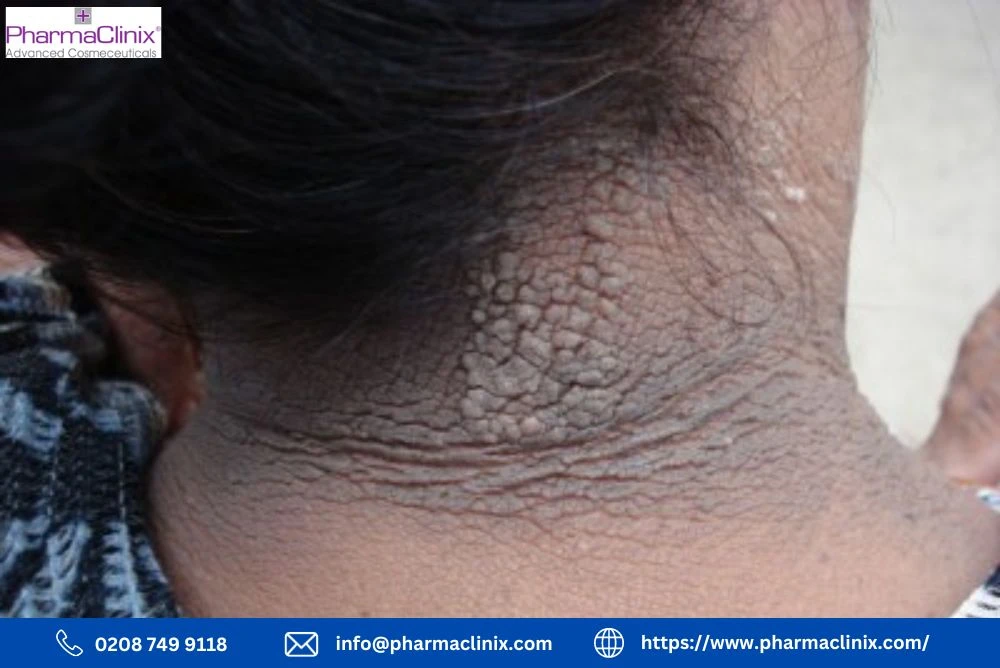

Dark patches on the neck, a seemingly innocuous concern, often carry more significance than we realize. If you’ve found yourself here, curious about these patches, you’re not alone. Let’s embark on a journey to understand what they are, why they appear, and most importantly, how to deal with them effectively.
Understanding the Dark Patches
Dark patches on the neck can be a source of frustration and self-consciousness for many. These patches, also known as hyperpigmentation, occur when certain areas of the skin produce more melanin than usual, leading to discoloration. It’s like having a rebellious artist in your skin, painting darker strokes where they\'re not wanted.
Causes of Hyperpigmentation
Hormonal Imbalances
Hormonal fluctuations, such as those experienced during pregnancy or due to conditions like PCOS, can trigger hyperpigmentation. It’s like your body’s chemistry is throwing a colorful party, but unfortunately, it’s on your skin.
Sun Exposure
Excessive exposure to the sun\'s harmful UV rays can stimulate melanin production, leading to dark patches. Think of it as your skin\'s way of protesting against too much sunlight by producing more pigment.
Acanthosis Nigricans
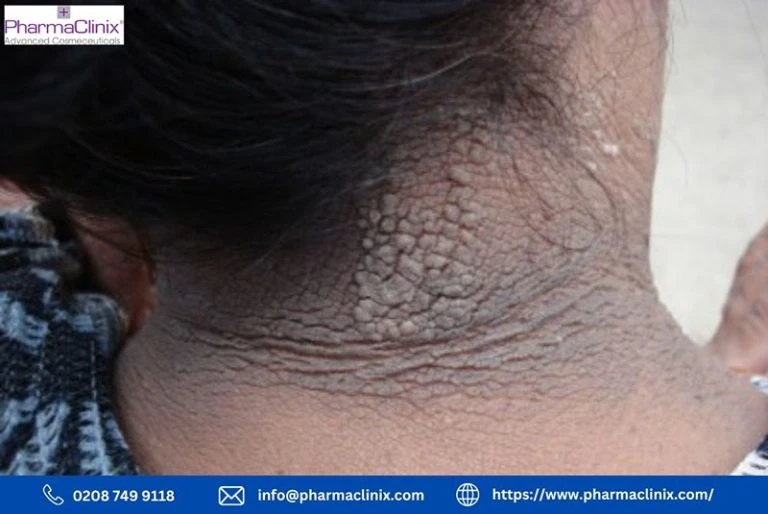
Acanthosis nigricans, a condition characterized by thickened, darkened patches of skin, commonly affects the neck. It’s like your skin is sending smoke signals, indicating an underlying health issue that needs attention.
Dealing with Dark Patches
Now that we understand what causes these pesky patches, let’s explore how to address them effectively.
Skincare Regimen
Gentle Cleansing: Start by cleansing the affected area with a mild, non-abrasive cleanser to remove dirt and impurities without aggravating the skin.
Exfoliation: Regular exfoliation helps slough off dead skin cells, promoting cell turnover and reducing the appearance of dark patches.
Moisturization: Hydrating the skin with a moisturizer helps maintain its barrier function and prevents further pigmentation.
Medical Treatments
Topical Creams: Prescription creams containing ingredients like hydroquinone or retinoids can help lighten dark patches over time.
Chemical Peels: Dermatological procedures like chemical peels can effectively exfoliate the skin and reduce hyperpigmentation.
Laser Therapy: Laser treatments target melanin in the skin, breaking it down and lightening dark patches.
Frequently Asked Questions
Q: What causes dark patches on the neck?
A: Dark patches on the neck, also known as hyperpigmentation, can be caused by hormonal imbalances, sun exposure, or conditions like acanthosis nigricans.
Q: Can dark patches on the neck be treated?
A: Yes, dark patches on the neck can be treated through various skincare regimens and medical treatments prescribed by dermatologists.
Q: Are dark patches on the neck a sign of a serious health condition?
A: In some cases, dark patches on the neck, particularly if accompanied by other symptoms, may indicate underlying health issues that require medical attention.
Q: How long does it take to see results from treatments for dark patches on the neck?
A: The timeframe for seeing results from treatments varies depending on the severity of the hyperpigmentation and the chosen treatment method.
Conclusion
In conclusion, dark patches on the neck may seem like a cosmetic concern, but they often signal underlying issues that require attention. By understanding the causes and implementing effective skincare and medical treatments, you can regain confidence in your skin and embrace a brighter, more radiant complexion.




















Sign in to leave a comment.