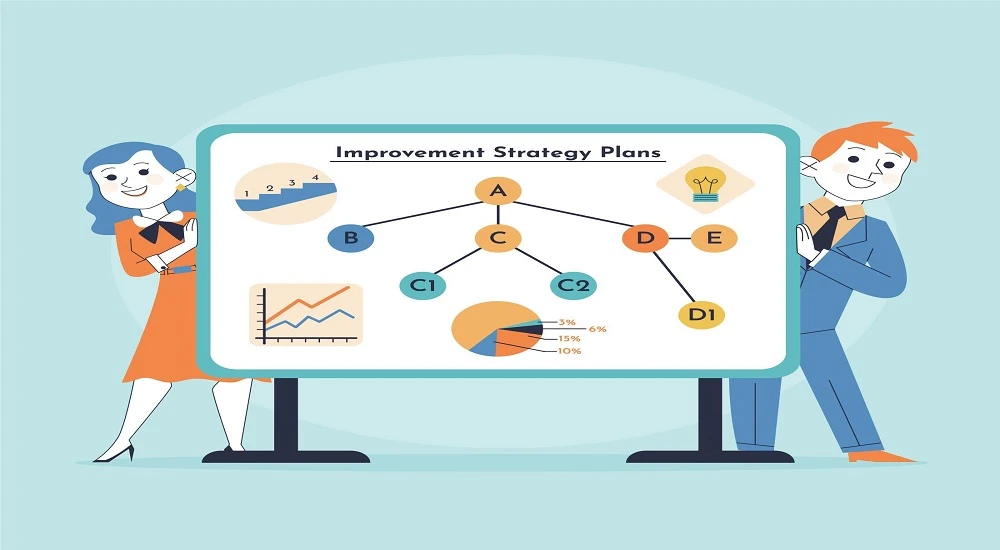

In the intricate realm of business, success often hinges on the ability to anticipate market trends, customer behavior, and future demands. This superpower, known as business forecasting, is fueled by advanced techniques and powered by predictive analytics software. In this comprehensive exploration, we'll delve into the world of business forecasting methods, predictive analytics, and the art of demand analysis and forecasting.
The Essence of Business Forecasting
Business forecasting is the systematic process of predicting future business outcomes, including sales, demand for products or services, and market trends. At its core, it's about answering the pivotal question: "What's likely to happen, and how can we prepare for it?" Here's why it matters:
Strategic Planning: Forecasts provide the basis for strategic planning. Businesses can align their goals and resources with anticipated market conditions.Resource Allocation: Accurate forecasting helps in allocating resources efficiently, whether it's capital, labor, or inventory.Risk Management: By foreseeing potential challenges, businesses can devise risk mitigation strategies, reducing vulnerabilities.Market Positioning: It aids in positioning products or services in the market, seizing opportunities, and avoiding pitfalls.The Demand for Advanced Forecasting Methods
To thrive in today's fast-paced business landscape, organizations require more than traditional methods. They turn to advanced forecasting techniques and predictive analytics for a competitive edge. Some key methods and technologies driving business forecasting include:
Predictive Analytics Software: This technology harnesses the power of data and machine learning to make highly accurate predictions about future trends and events. Machine Learning Algorithms: Machine learning models analyze vast datasets to identify complex patterns and generate forecasts with a high degree of precision. Demand Analysis: Demand analysis dives deep into historical data, market trends, and consumer behavior to uncover insights that drive more accurate forecasts. Causal Models: These models explore the cause-and-effect relationships between various factors, such as advertising spend and sales, to predict demand. Big Data: The ability to process vast datasets from various sources allows for more accurate and nuanced forecasting.Predictive Analytics in Business Forecasting
Predictive analytics is a game-changer in the world of business forecasting. It leverages data, statistical algorithms, and machine-learning techniques to identify the likelihood of future outcomes based on historical data. Here's how it's revolutionizing the landscape:
Real-time Insights: Predictive analytics provides real-time insights into market trends and customer behavior, allowing businesses to adapt swiftly. Precision Forecasting: The use of advanced algorithms ensures precise forecasting, reducing errors and uncertainties. Personalized Marketing: Predictive analytics enables businesses to personalize marketing efforts based on individual customer preferences and behaviors. Risk Management: It helps in identifying potential risks and threats, allowing organizations to develop proactive strategies.Demand Analysis and Forecasting
Demand analysis and forecasting delve deep into the factors that influence customer demand. This includes:
Consumer Behavior: Understanding how customers respond to pricing, promotions, and other market dynamics.Economic Conditions: Economic factors like inflation, GDP growth, and employment rates can impact demand.Seasonal Variations: Recognizing seasonal trends and adjusting forecasts accordingly.Competitive Landscape: Monitoring competitors' actions and their impact on market demand.The Challenges in Business Forecasting
While predictive analytics and advanced forecasting methods hold great promise, they come with their own set of challenges:
Data Quality: Accurate forecasts depend on high-quality data. Inaccurate or incomplete data can lead to flawed predictions.Model Complexity: Implementing advanced forecasting models may require specialized expertise and resources.Ethical Considerations: The use of customer data for forecasting raises ethical concerns, requiring careful handling and compliance with data privacy regulations.Interpreting Results: Predictive analytics results can be complex, and interpreting them requires skilled analysts.The Future of Business Forecasting
The future of business forecasting is bright and promising:
AI Integration: Artificial intelligence will play an even more significant role, automating data analysis and generating forecasts in real time.Customization: Forecasting approaches will be increasingly tailored to specific industries, niches, and business models.Ethical Frameworks: The industry will establish ethical guidelines for data usage and transparency, addressing concerns related to data privacy.Conclusion
Business forecasting, driven by advanced methods and predictive analytics, is the compass that guides organizations to success in a rapidly changing world. Accurate forecasts, personalized marketing, and real-time insights empower businesses to navigate the complexities of the market with precision and confidence. As technology continues to evolve, those who embrace cutting-edge tools and methods will be better equipped to steer their organizations toward prosperity in the ever-shifting tides of the business world. In the realm of business, the power of prediction is the key to unlocking new horizons.









Sign in to leave a comment.