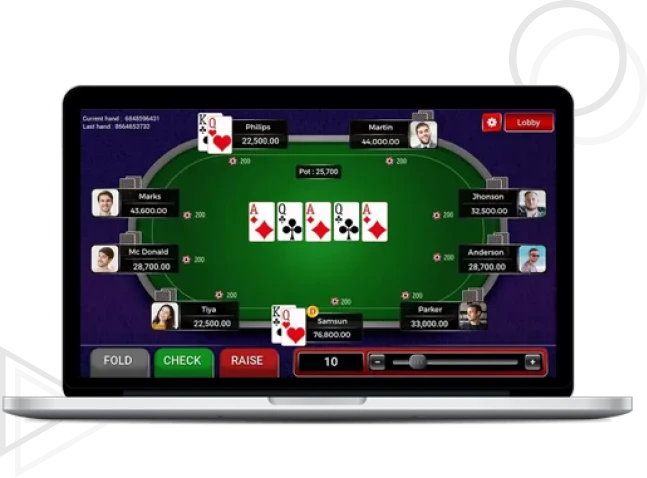

The gambling industry has been handed a winning hand with the rise of digital poker. There's never been more demand for entertaining and well-designed poker games, with millions of players dealing and shuffling cards online. But in the world of poker game development, what distinguishes a flop from a full house?
The key is a well-thought-out formula that does more than just imitate the gameplay. Successful poker game developers understand that it's about capturing the essence of the live experience, seamlessly integrating artistry with cutting-edge technology, and, most importantly, keeping the player at the heart of the game.
The Gentle Step: Harmonizing Technology and Art
Perfect mechanics alone won't make a poker game popular; what matters is establishing an environment that entices players and keeps them coming back for more. Here, creative ingenuity is highlighted.
The Art of Immersion: Evoking the energy of a real-life poker room is crucial. Developers achieve this through captivating visuals and sounds. Envision the quiet click of chips, the quiet suspense as players assess each other, and the excitement of a dramatic reveal - all painstakingly replicated in the virtual world. Equally crucial are intuitive and user-friendly interface designs. The game should be simple for players to pick up, so they may easily place bets, fold, and raise. Even the most ardent player can rapidly become a spectator due to a cluttered or unclear interface.Under the Hood: The tech wizards work their magic beneath the surface, so let's go there now. Flawless game mechanics are paramount. Cards must shuffle randomly, dealing must be fair, and the betting system needs to function flawlessly. Additionally, for online poker games, robust backend infrastructure ensures smooth gameplay without lag or glitches.
The Player at the Heart: Understanding User Engagement
In the realm of poker games, gamers matter just as much as developers do. Here's where successful developers excel in fostering a thriving user base.
Serving All Levels: A one-size-fits-all strategy is insufficient. In order to grasp the fundamental concepts of the game, novice players require tutorials and guidelines. On the other hand, seasoned players are infatuated with sophisticated features that let them demonstrate their abilities and tactics.Building a Community: Poker thrives on interaction. Leaderboards, chat functions, and in-game competitions are some of the ways that developers may foster a lively community. This keeps participants motivated and interested by fostering a spirit of friendly rivalry and camaraderie.
Addressing Player Concerns: While there is never a flawless game, good developers give player concerns top priority. This entails maintaining fair play procedures, strong security measures to safeguard user information, and attentive customer service to quickly resolve any problems.
Beyond the Fundamentals: Extra Points to Think About
The best poker games go beyond just replicating the classic experience. Here are some additional factors developers consider to stay ahead of the curve.
Keeping it Fresh: Stagnation leads to boredom. Successful developers continuously add new features, variations of poker like Texas Hold'em Omaha, or host special events to keep players engaged in the long run.
Complying with Regulations: The responsible gaming landscape is ever-evolving. Developers must ensure their games adhere to regulations and promote responsible gaming practices.
In conclusion, poker's future is still unknown.
Through the skillful integration of technology, art, and player-centric design, game developers may establish robust online poker environments. The boundaries between the physical and digital worlds may become more hazy in the future of poker because to augmented and virtual reality.
The strategies disclosed here will remain the cornerstone for developing successful poker games, guaranteeing that the genre maintains a strong hold on the constantly expanding digital entertainment market as technology advances and player demands soar.











Sign in to leave a comment.