
It’s not flashy. It’s not lengthy. But the US tax form W-9 is one of the most important forms in your tax toolkit—especially if you're earning or paying income outside of traditional employment.
Whether you're an independent contractor, a growing small business, or managing vendor relationships, understanding this one-page form can save you from unnecessary headaches during tax season.
What Is the US Tax Form W-9?
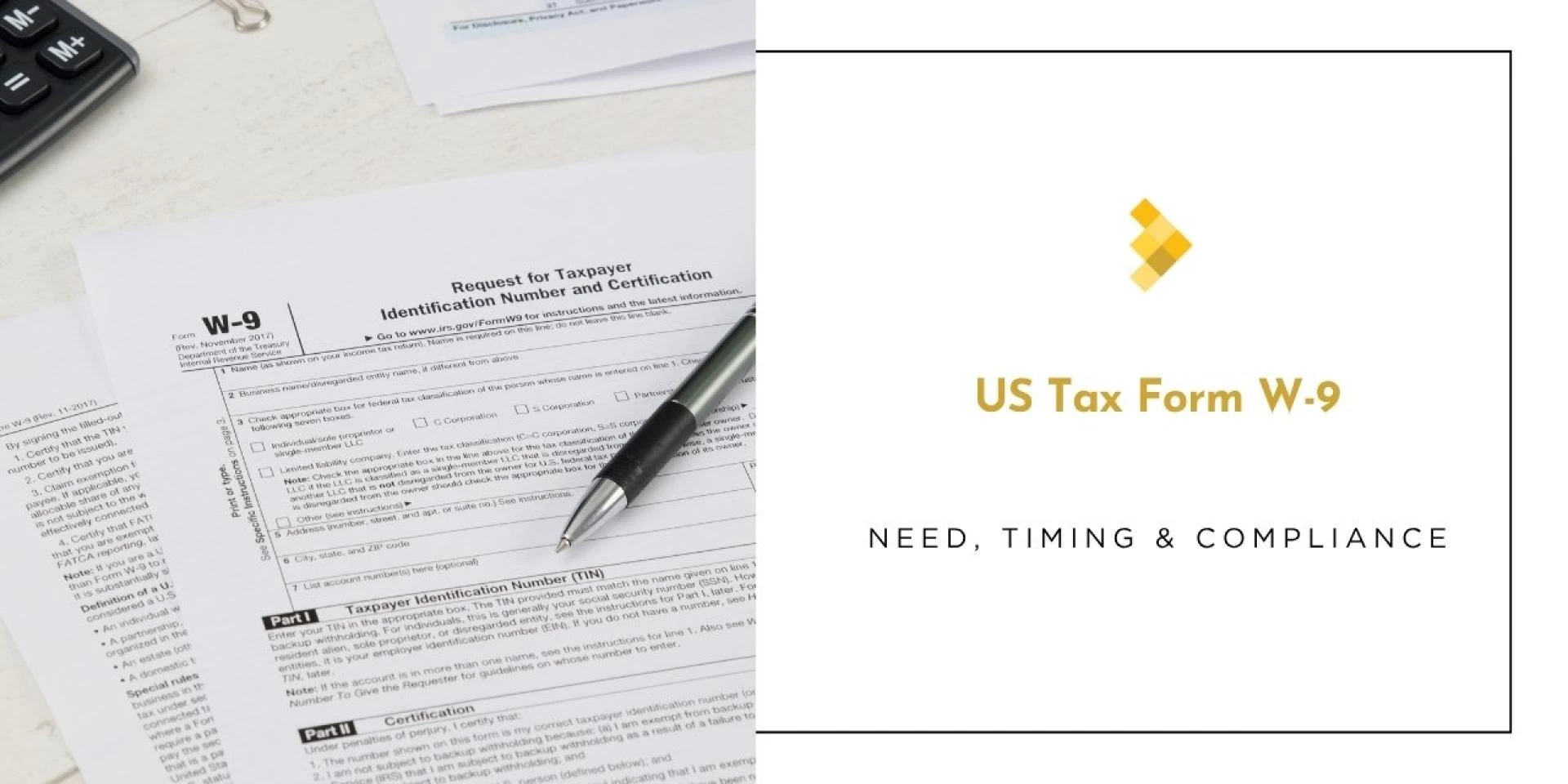
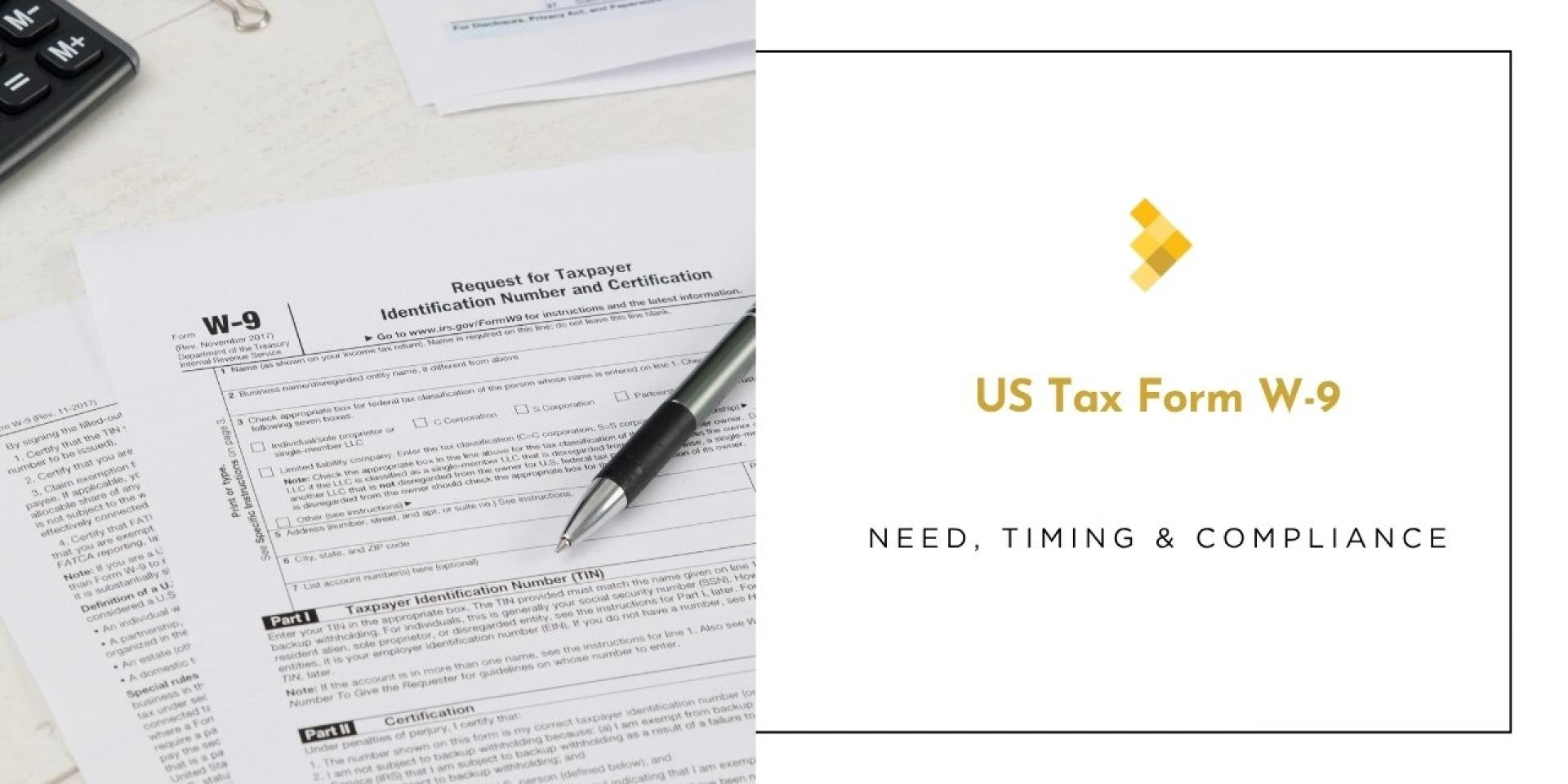
The US tax form W-9, officially known as the Request for Taxpayer Identification Number and Certification, is used to collect essential tax information from individuals or businesses receiving payments. If you’re paying someone for services—or getting paid—you’ll likely see this form come into play.
Unlike other tax documents, this one doesn’t go to the IRS. Instead, the person or business requesting it keeps it on file and uses it to generate the correct 1099 forms at the end of the year.
Why Does It Matter?
It may not seem like much, but the W-9 plays a central role in tax reporting. It ensures that income is recorded correctly and prevents issues like backup withholding—where 24% of your payment could be withheld by the payer if your Taxpayer Identification Number (TIN) isn’t on file.
For businesses, it also means accurate preparation of 1099-NEC and 1099-MISC forms.
Who Is It For?
Not everyone needs to fill out a W-9—but many do. You may be required to fill one out if you fall into any of the following categories:
- A freelancer or consultant
- A vendor or non-employee service provider
- A landlord renting to a business
- A legal professional receiving fee
- A U.S.-based business entity (such as an LLC, partnership, or corporation)
Even if you’re just starting out and deciding between LLC vs sole proprietorship, this form is likely to appear on your desk early.
What Does the W-9 Ask For?
While the form is short, attention to detail matters. You’ll need to provide:
- Your full legal name and business name (if different)
- Your tax classification
- Your mailing address
- Your TIN—either your SSN or EIN
- Your signature to certify everything is accurate
Getting this wrong—even slightly—can create complications down the road.
Handle It With Care
Since the W-9 contains sensitive data, be cautious with how and where you share it. Only send it to trusted, verified contacts—and always use secure methods like encrypted email or password-protected portals.
Businesses should securely store completed W-9s for at least four years, even after a contractor or vendor relationship ends.
Final Thoughts
The US tax form W-9 doesn’t make headlines, but it quietly ensures your tax reporting stays clean, compliant, and hassle-free. It’s one of those forms that doesn’t matter—until it does.
Also, keep an eye on common mistakes to avoid when filing Form 1099, as errors often trace back to incorrect W-9 details.
Need help organizing your tax forms or streamlining vendor onboarding?
We’re here to guide you through it all—accurately, securely, and stress-free.































Sign in to leave a comment.