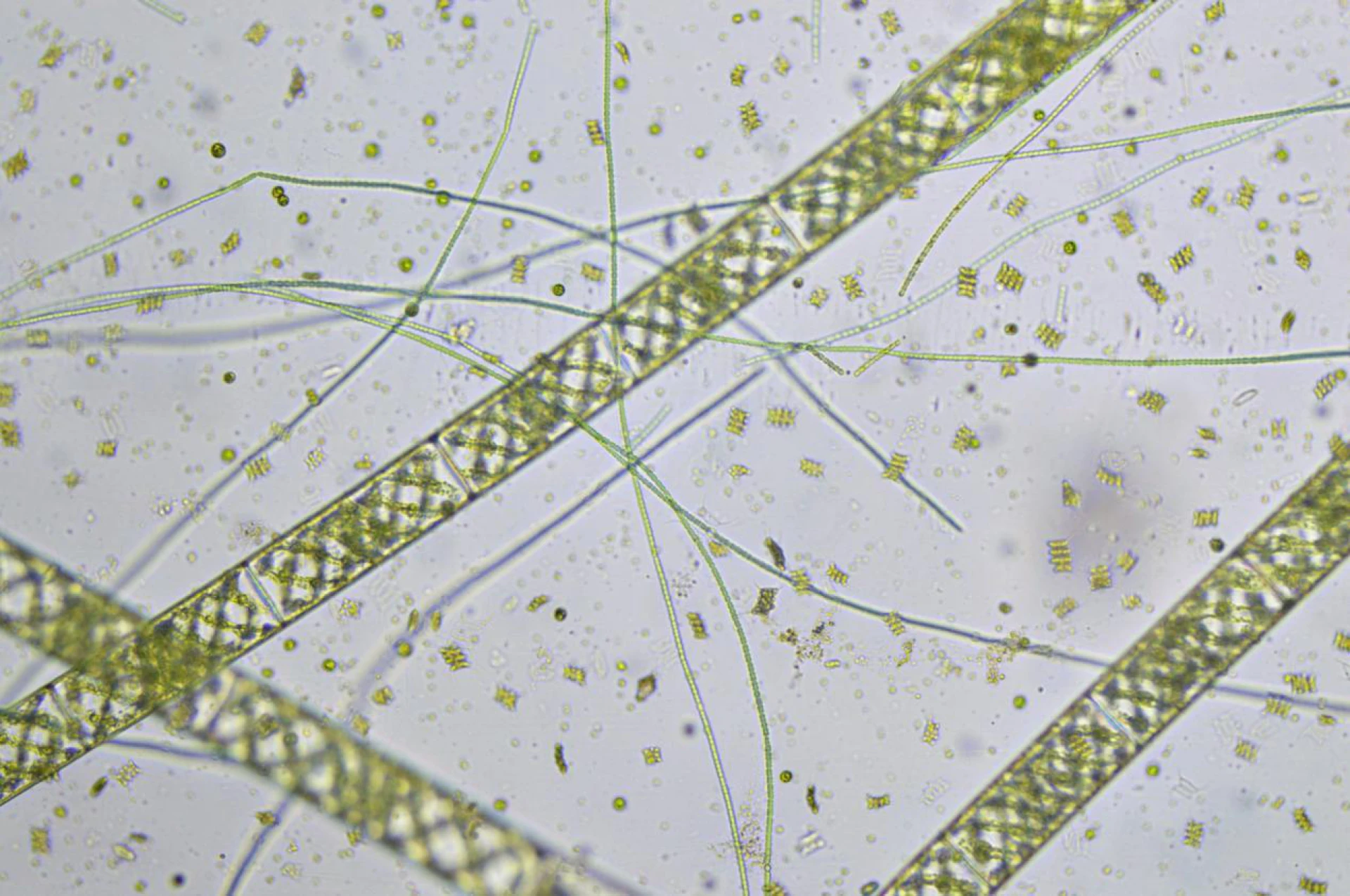

Have you ever considered how microscopic photosynthetic organisms can illuminate fundamental biological principles? Algae, long studied for their ecological and physiological roles, are increasingly central to classroom and laboratory investigations.
From examining reproductive cycles to assessing environmental responses, algae cultures provide a controlled and reproducible platform for education in aquatic biology.
Blades Biological, a leading supplier of educational biology resources, offers a range of living algae cultures and preserved specimens, including Scenedesmus quadricauda, to support teaching and laboratory experimentation.
With an emphasis on quality and reliability, these resources enable educators to demonstrate complex biological concepts with precision.
This article outlines how algae cultures can be integrated into laboratory experiments to study reproduction, environmental responses, and the dynamics of water-based ecosystems.
The Value of Algae Cultures in Laboratory Education
Algae are remarkable tools for scientific study due to their simplicity, rapid reproduction, and responsiveness to environmental variables. In controlled experiments, algae can serve as model organisms for understanding processes that are otherwise difficult to observe in higher organisms.
Some key educational benefits include:
●Observation of reproductive strategies: Many unicellular algae, including Scenedesmus quadricauda, reproduce via asexual division, providing a clear example of mitotic cell cycles. Multicellular forms demonstrate colony formation, offering opportunities to investigate cellular organisation and developmental biology.
●Environmental response assessment: Algae react predictably to changes in light intensity, temperature, and nutrient availability. This makes them excellent candidates for experiments that model ecological and environmental phenomena.
●Ecosystem dynamics studies: Algae are primary producers in aquatic ecosystems, forming the foundation of many food webs. Laboratory experiments with algae cultures allow students to simulate and monitor these interactions, enhancing understanding of ecological principles.
Setting Up Algae Experiments
A successful laboratory experiment with algae requires careful preparation and standardisation. Key considerations include:
1. Selection of Species
Choosing the appropriate algae species is fundamental. Scenedesmus quadricauda is frequently used due to its rapid growth and clearly visible cellular structures. Educators can also source algae for sale in a variety of concentrations and growth media, allowing experiments to be scaled to classroom needs.
2. Growth Medium Preparation
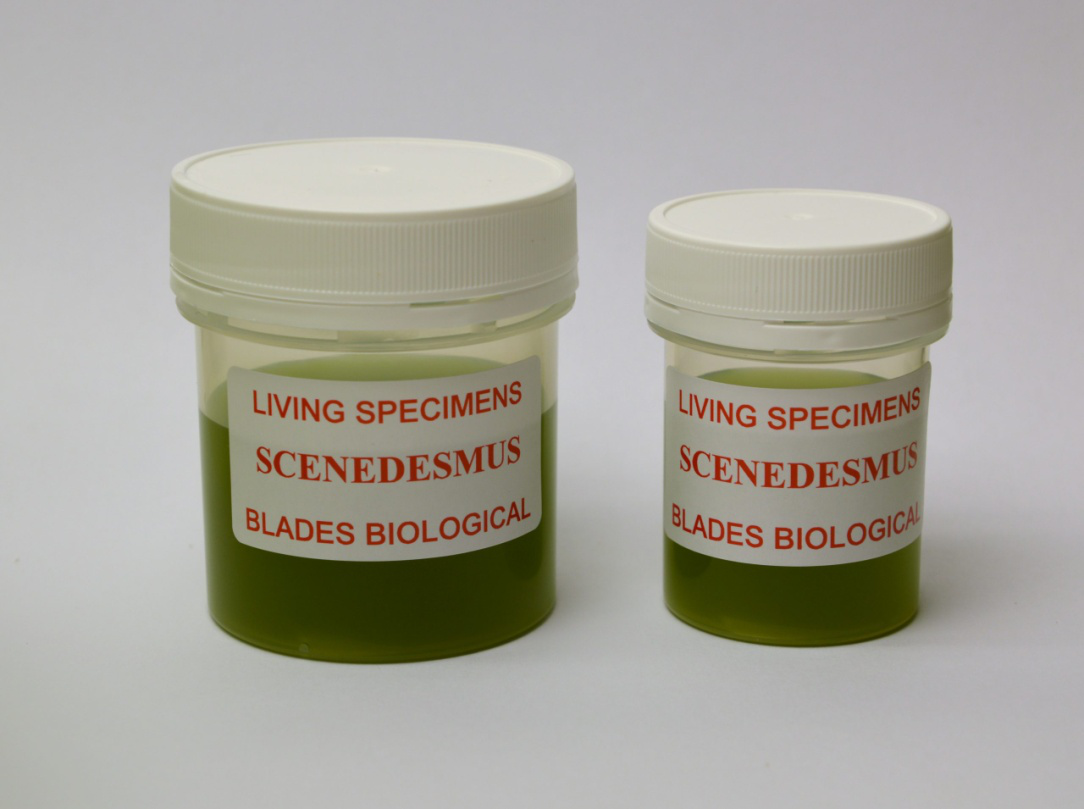
Algae require nutrient-rich media for optimal growth. Blades Biological supplies high-quality ingredients suitable for preparing laboratory cultures. Standardising the medium ensures that experimental results reflect the variables under investigation rather than inconsistencies in nutrient availability.
3. Controlled Conditions
Temperature, light, and pH must be regulated to maintain culture viability. Using transparent containers enables students to monitor growth visually, while controlled lighting systems allow for reproducible experimental setups.
4. Monitoring and Data Collection
Educators can design experiments to measure growth rates, colony formation, and response to environmental stressors. Observations may include:
●Rate of cell division under varying light conditions
●Effects of nutrient concentration on colony size and density
●Response to temperature changes over short-term exposure
Structured data collection promotes analytical skills and allows students to correlate observed phenomena with underlying biological mechanisms.
Practical Applications in Biology Lessons
Algae cultures provide tangible illustrations of several key biological principles:
●Cellular biology: Students can examine chloroplast distribution, cell wall structure, and cytoplasmic features, reinforcing theoretical knowledge.
●Reproductive biology: Observing asexual reproduction and colony formation in Scenedesmus quadricauda demonstrates concepts such as binary fission, cell cycle regulation, and population growth.
●Environmental science: By varying light intensity, nutrient supply, or temperature, students can investigate ecological responses, simulating conditions found in natural water bodies.
●Experimental design skills: Working with algae cultures encourages hypothesis formulation, variable control, and data interpretation, fostering scientific literacy and methodological precision.
Bringing Laboratory Concepts to Life

How can educators ensure that theoretical concepts resonate in practice? Controlled algae experiments allow students to witness cellular and ecological processes in real time. By integrating these experiments with structured lesson plans, educators can demonstrate the relevance of algae in both scientific research and environmental monitoring.
Blades Biological supports educators by supplying high-quality algae cultures for sale, including Scenedesmus quadricauda, as well as preserved specimens and essential laboratory media.
Their comprehensive range of educational resources ensures that teachers have reliable materials for accurate, repeatable experiments, facilitating effective teaching of both fundamental and advanced biological concepts.
Educators can browse and order directly from Blades Biological to equip their laboratories with dependable and versatile teaching tools.

























Sign in to leave a comment.