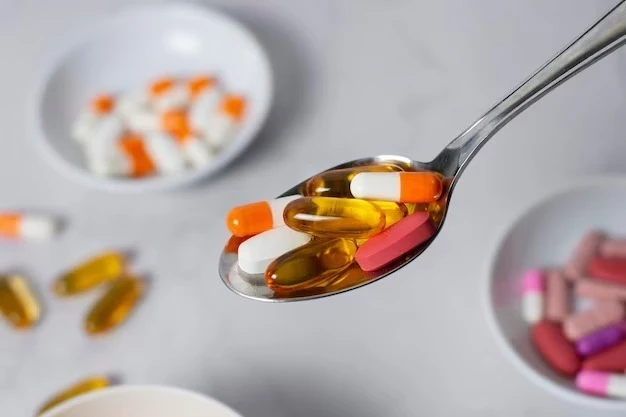

In the pursuit of lowering cholesterol levels naturally, olive oil stands out as a versatile and effective option. Its numerous health benefits, particularly in cholesterol management, have been extensively studied and supported by scientific research. This article explores the role of olive oil for cholesterol reduction, its benefits, and how it compares to other natural methods such as low cholesterol oatmeal and natural cholesterol lowering supplements.
Understanding Cholesterol and Its Impact
Cholesterol is a fatty substance essential for building cells and producing certain hormones. However, elevated levels of LDL cholesterol (often referred to as "bad" cholesterol) can lead to plaque formation in arteries, increasing the risk of heart disease. Reducing cholesterol levels, especially LDL cholesterol, is crucial for maintaining heart health and preventing cardiovascular issues.
Olive oil is renowned for its heart-healthy properties. It is a staple of the Mediterranean diet, which is associated with lower rates of heart disease. Studies have shown that olive oil can significantly reduce LDL cholesterol levels while increasing HDL cholesterol (known as "good" cholesterol), thus improving the overall cholesterol profile. This effect is primarily attributed to the high content of monounsaturated fats and antioxidants in olive oil.
The Role of Olive Oil in Cholesterol Management
Olive oil is renowned for its heart-healthy properties. It is a staple of the Mediterranean diet, which is associated with lower rates of heart disease. Studies have shown that olive oil can significantly reduce LDL cholesterol levels while increasing HDL cholesterol (known as "good" cholesterol), thus improving the overall cholesterol profile. This effect is primarily attributed to the high content of monounsaturated fats and antioxidants in olive oil.
Benefits of Olive Oil for Cholesterol
- Monounsaturated Fats: Olive oil is rich in monounsaturated fats, particularly oleic acid, which helps lower LDL cholesterol without affecting HDL cholesterol adversely.
- Antioxidants: Polyphenols and other antioxidants in olive oil protect LDL particles from oxidation, a crucial step in preventing plaque formation in arteries.
- Anti-inflammatory Properties: Chronic inflammation contributes to cardiovascular disease. Olive oil’s anti-inflammatory effects can help reduce this risk.
Comparing Olive Oil with Other Natural Approaches
Low cholesterol oatmeal and natural cholesterol lowering supplements are also popular choices for managing cholesterol levels:
- Low Cholesterol Oatmeal: Oatmeal contains soluble fiber, which can help reduce LDL cholesterol levels. Its effectiveness can be enhanced when combined with a heart-healthy diet that includes olive oil.
- Natural Cholesterol Lowering Supplements: Supplements like Naturachol are formulated with plant sterols and other natural ingredients known for their cholesterol-lowering effects. While effective, these supplements should complement a balanced diet that includes healthy fats like olive oil.
Incorporating Olive Oil into Your Diet
To benefit from olive oil’s cholesterol-lowering properties, it is recommended to use extra virgin olive oil (EVOO) due to its higher content of antioxidants and bioactive compounds. Here are some tips for incorporating olive oil into your diet:
- Salad Dressings: Use olive oil as the base for homemade salad dressings with herbs and vinegar.
- Cooking: Use olive oil for sautéing vegetables or as a drizzle over cooked dishes for added flavor and health benefits.
- Dips and Spreads: Create healthy dips and spreads with olive oil, garlic, and herbs for a nutritious snack option.
- Salad Dressings: Use olive oil as the base for homemade salad dressings with herbs and vinegar. This not only enhances the flavor but also adds a dose of healthy fats to your meal.
- Cooking: Replace butter or vegetable oils with olive oil when sautéing vegetables or cooking meats. It withstands heat well and adds a distinctive Mediterranean taste.
- Dips and Spreads: Create healthy dips and spreads with olive oil, garlic, and herbs for a nutritious snack option. Pair with whole-grain crackers or fresh vegetables for added fiber and nutrients.
Scientific Evidence Supporting Olive Oil
Numerous studies have highlighted the cholesterol-lowering effects of olive oil:
- A study published in the American Journal of Clinical Nutrition found that diets rich in olive oil can reduce LDL cholesterol levels.
- Research from the European Journal of Clinical Nutrition suggests that the Mediterranean diet, which includes olive oil as a primary fat source, is associated with improved cholesterol levels and cardiovascular health.
These findings underscore the importance of dietary choices in managing cholesterol levels and reducing cardiovascular risk. Olive oil emerges as a key component due to its beneficial effects on lipid profiles and overall heart health.
Practical Tips for Choosing and Using Olive Oil
When selecting olive oil, opt for extra virgin olive oil (EVOO) for maximum health benefits. EVOO is cold-pressed, meaning it retains more of the natural antioxidants and nutrients compared to refined oils. Look for reputable brands that adhere to quality standards to ensure you\'re getting a genuine product.
In cooking, olive oil can be used in various ways:
- Baking: Substitute butter or other oils with olive oil in baking recipes for a healthier alternative.
- Marinades: Create flavorful marinades for meats and vegetables using olive oil, herbs, and citrus juices.
- Drizzling: Drizzle olive oil over cooked pasta, vegetables, or soups just before serving to add richness and depth of flavor.
Conclusion
In conclusion, olive oil is not only a delicious addition to meals but also a powerful tool in lowering cholesterol naturally. Its ability to reduce LDL cholesterol levels while promoting heart health through its anti-inflammatory and antioxidant properties makes it a best natural cholesterol reducer. When combined with other heart-healthy foods like low cholesterol oatmeal and natural cholesterol lowering supplements, olive oil forms part of a comprehensive approach to managing cholesterol levels and maintaining overall cardiovascular health.
For those looking to enhance their heart health naturally, incorporating olive oil into a balanced diet remains a smart and flavorful choice. Embrace the benefits of olive oil for cholesterol management and enjoy the delicious journey to a healthier heart.
For more information on best natural cholesterol lowering supplements, visit Naturachol\'s website here.











Sign in to leave a comment.