
Long-term impacts on cognitive function, emotional control, and general brain function can result from neurological injury. Disturbances in brain activity may persist for a long time following the initial incident, regardless of the cause—a concussion, traumatic brain injury (TBI), head trauma from an accident, or protracted psychological stress. These modifications can now be better understood thanks to modern neurodiagnostic technologies. Among these, quantitative electroencephalography (QEEG) analysis provides an impartial means of assessing brainwave activity and spotting injury-related patterns.
Understanding Brain Function After Injury
Electrical signals are used by the brain to communicate. These signals, also referred to as brainwaves, support vital functions like memory, attention, mood control, and sleep. They function at various frequencies. These patterns may change when the brain is traumatized. While some areas might exhibit decreased activity or poor connection, others might become overactive.
Neurological disturbance can present with a wide range of symptoms. Headaches, trouble focusing, memory issues, irritability, anxiety, depression, sleep disruptions, or sensory sensitivities are all possible. Emotional trauma can occasionally lead to functional alterations that mimic physical harm, particularly if stress pathways continue to be overactive.
Clinical evaluation can occasionally be difficult since symptoms are frequently subjective. While imaging techniques such as CT or MRI scans are useful for detecting structural damage, they might not always be able to identify functional disruptions. QEEG analysis is crucial in this situation.
What Is QEEG Analysis?
Quantitative electroencephalography (QEEG) is an advanced form of EEG that records electrical activity from the scalp and converts it into measurable data. While a traditional EEG visually displays brainwave patterns, QEEG uses computerized algorithms to compare a person’s brain activity against normative databases.
The result is a detailed map of how different brain regions are functioning. This mapping process highlights deviations in frequency bands such as delta, theta, alpha, beta, and gamma waves. Abnormalities in these frequencies may indicate dysregulation related to trauma, stress, or neurological injury.
Clinicians sometimes refer to this process as qeeg brain mapping, as it provides a visual and data-driven representation of neural activity. Rather than relying solely on reported symptoms, this approach allows for objective analysis of functional brain patterns.
Neurological Changes Identified Through QEEG
After an injury, QEEG analysis may reveal several types of functional alterations:
1. Slowed Brainwave Activity
Excessive delta or theta activity in certain areas may suggest reduced cortical efficiency. This can correlate with cognitive slowing, poor concentration, or mental fatigue.
2. Hyperactivity in Stress-Related Circuits
Elevated high-beta activity may indicate increased arousal or stress responses. Individuals experiencing anxiety, hypervigilance, or emotional dysregulation may show such patterns.
3. Disrupted Connectivity
Brain injuries can affect communication between regions. QEEG coherence analysis evaluates how well different areas synchronize. Poor connectivity may contribute to memory problems or emotional instability.
4. Imbalanced Hemispheric Activity
In some cases, one hemisphere may demonstrate altered activation compared to the other. These imbalances can influence mood regulation and behavioral responses.
By identifying these patterns, clinicians gain deeper insight into the functional impact of injury beyond what structural scans alone can provide.
QEEG and Psychological Trauma
Not all neurological changes stem from physical trauma. Psychological trauma can also alter brain activity patterns. Chronic stress exposure may heighten activity in areas associated with threat detection while reducing regulatory control from the prefrontal cortex.
Individuals recovering in a PTSD treatment center often experience symptoms such as intrusive thoughts, hyperarousal, and sleep disruption. Functional brain assessments can help illustrate how prolonged stress affects neural regulation. While QEEG does not diagnose psychiatric conditions independently, it may support clinical understanding by revealing measurable activity changes associated with trauma-related symptoms.
Recognizing the overlap between physical and psychological injury is essential. Both can influence similar neural networks, particularly those governing emotional processing and executive function.
The Assessment Process
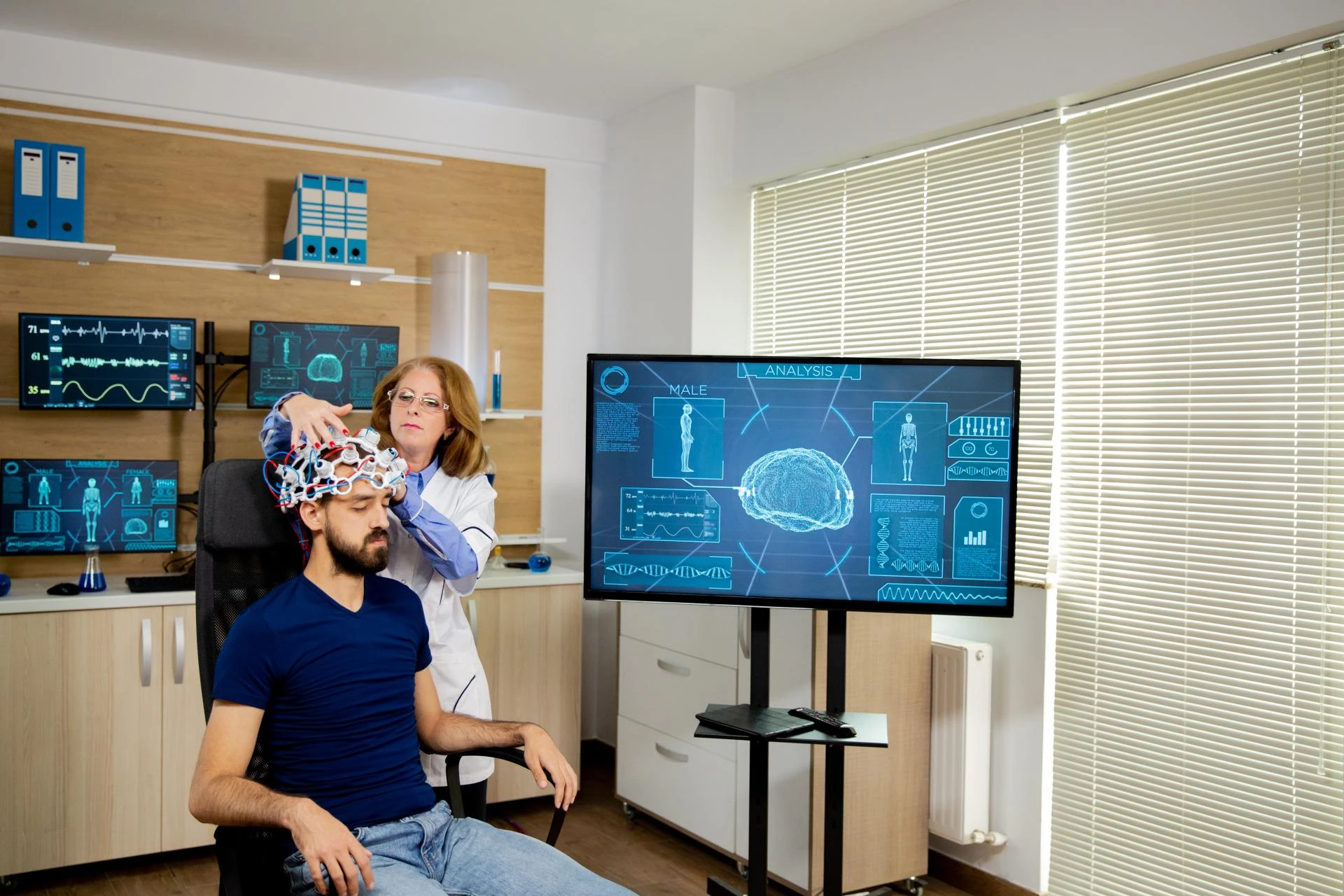
A QEEG assessment typically involves placing a cap with multiple sensors on the scalp. These sensors record electrical activity while the individual is at rest or performing simple tasks. The procedure is non-invasive and painless.
The recorded data undergoes mathematical analysis to generate visual maps and statistical comparisons. Clinicians interpret the findings alongside clinical history, symptom reports, and other diagnostic information. QEEG is not a standalone diagnostic tool; rather, it complements comprehensive neurological and psychological evaluations.
Because brain function is dynamic, results are interpreted within the broader clinical context. Factors such as medication use, sleep quality, and recent stress can influence brainwave patterns.
Applications in Injury Evaluation
QEEG analysis is often considered in situations involving:
- Concussion or mild traumatic brain injury
- Motor vehicle accidents
- Sports-related head trauma
- Workplace injuries
- Emotional trauma following accidents
- Persistent post-concussive symptoms
By providing quantifiable data, QEEG can contribute to a clearer understanding of how injury has affected functional brain performance. In some cases, it may help track changes over time or evaluate responses to therapeutic interventions.
Limitations and Considerations
While QEEG offers valuable insight, it is important to recognize its limitations. Brainwave patterns can vary among individuals, and not all deviations indicate pathology. Interpretation requires specialized training and must be integrated with other clinical findings.
Additionally, QEEG cannot replace structural imaging when structural damage is suspected. Instead, it serves as a complementary tool focused on functional assessment.
Advancing Objective Brain Evaluation
The growing use of quantitative neurodiagnostics reflects a broader shift toward data-driven assessment in neuroscience. As research continues to explore the relationship between brainwave patterns and behavioral outcomes, tools like QEEG analysis may enhance understanding of how injuries influence neural functioning.
Injury recovery often involves both physical and psychological components. Evaluating brain function through objective measurement provides an additional layer of clarity in complex cases. By examining electrical activity patterns, clinicians can better understand the subtle functional disruptions that may persist after injury.
Ultimately, the integration of clinical expertise, patient history, and advanced neurophysiological data contributes to a more comprehensive picture of neurological health. QEEG analysis represents one step forward in understanding how the brain adapts — and sometimes struggles — following injury.



Sign in to leave a comment.