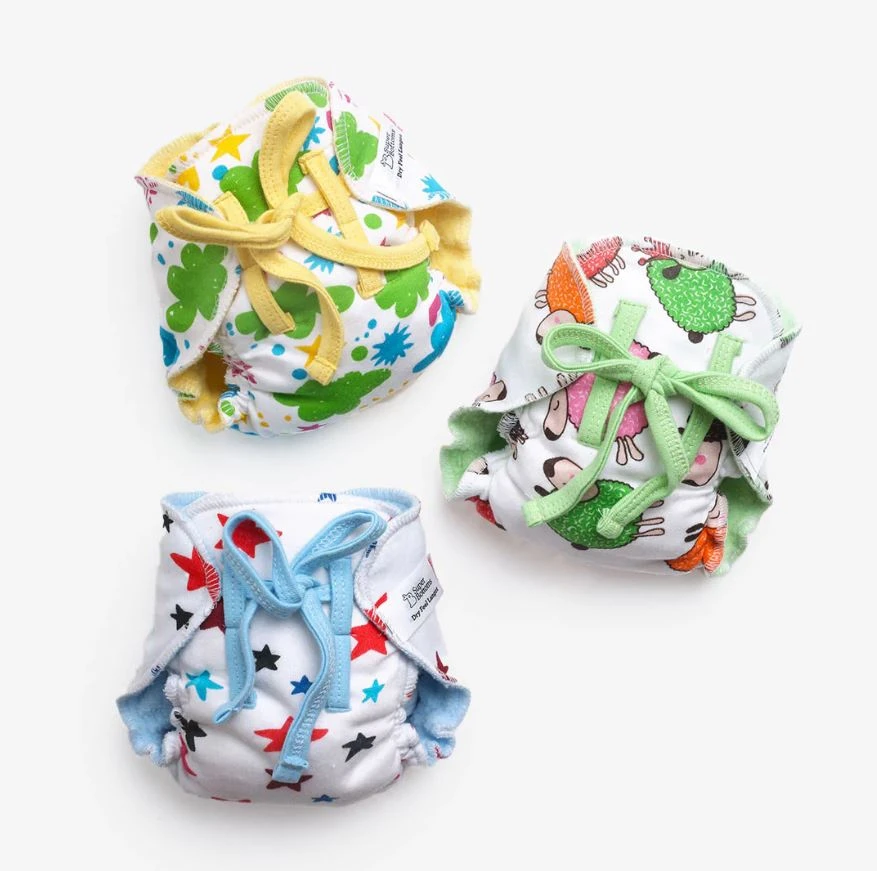

If you're a new parent, consider using a baby langot, also known as a cloth nappy or diaper, for your little one. Baby langots have been used for centuries in India and other parts of the world. They offer many benefits over disposable nappies, including cost savings, environmental sustainability, and better skin care. But if you're new to using a baby langot, it can initially seem daunting. This blog will provide a step-by-step guide to using a baby langot effectively.
Step 1: Wash the langot
Before using a new baby langot for the first time, it's essential to wash it. This will remove any residual dirt, dust, or chemicals that may be present in the manufacturing process. Wash the langot in hot water and a gentle detergent, and avoid using fabric softeners or bleach.
Step 2: Prepare the langot
Once the langot is washed and dried, it's time to prepare it for use. Fold the langot into a rectangular shape, with the long edges folded towards the middle. Then fold the bottom edge up about two inches to create a small flap. This flap will help contain any leaks.
Step 3: Position the baby
Lay your baby on their back and gently lift their legs, holding them by the ankles. Slide the folded langot underneath your baby's bottom, with the small flap at the back. Ensure the langot is centred between your baby's legs, with the top edge at the baby's waistline.
Step 4: Secure the langot
To secure the langot, fold the top edge towards your baby's body, ensuring it's snug but not too tight. Then, fold the left side of the langot over your baby's belly, tucking it under the right side. Repeat with the right side, folding it over the left and tucking it under. Make sure the folds are smooth and snug but not too tight. You should be able to slide a finger between the langot and your baby's skin.
Step 5: Check for leaks
Once the langot is secure, check for any leaks. Ensure the edges are tucked in securely, and the langot is snug but not too tight. If you notice any leaks, adjust the folds or fit as needed.
Step 6: Change the langot
Newborn baby langot should be changed every 2-3 hours, or more often if your baby has soiled it. To change the langot, undo the folds and carefully remove it from your baby's bottom. Wipe your baby's bottom clean with a damp cloth or wipe, then replace the langot with a clean one.
Step 7: Wash and dry the langot
After using a baby langot, washing and drying it properly is essential. Rinse any solid waste off the langot before washing it in hot water with a gentle detergent. Avoid fabric softeners or bleach, which can damage the fabric and reduce absorbency. Hang the langot to dry or tumble dry on low heat.
In conclusion, a baby langot can be a great alternative to disposable nappies. It helps you save money and is better for the environment and your baby's skin. By following the simple steps outlined in this guide, you can use a baby langot effectively and confidently. Remember to wash and prepare the langot, position and secure it correctly, check for leaks, change it regularly, and wash and dry it properly. At Superbottoms, we offer a variety of high-quality baby langots that are eco-friendly, comfortable, and gentle on your baby's skin. Thank you for considering Superbottoms for your cloth nappy needs, and we hope this guide has been helpful to you.




























Sign in to leave a comment.