
Introduction
In the realm of power transmission, V belts stand tall as one of the most crucial components, silently transferring power and driving countless industrial applications. Whether you are aware of it or not, these unassuming, versatile, and efficient belts play an indispensable role in keeping the wheels of industry turning. In this blog, we will delve into the world of V belts, exploring their design, applications, advantages, and how they continue to shape modern industrial processes.
What are V Belts?
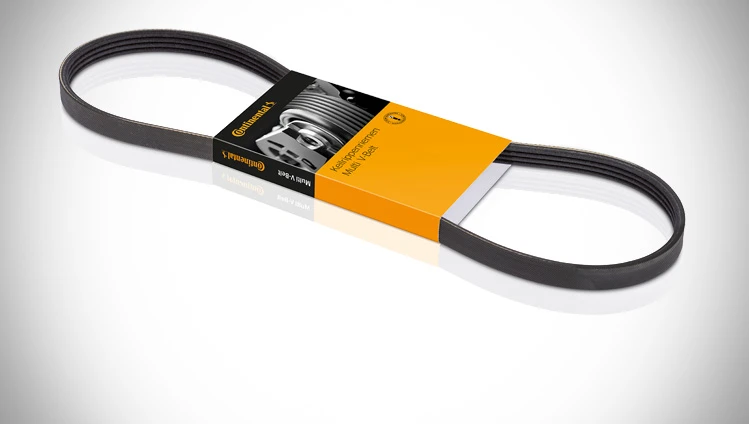
V belts, also known as wedge belts, are rubber belts with a trapezoidal cross-section, designed to sit in V-shaped grooves of pulleys or sheaves. The design allows for better traction and increased efficiency in power transmission compared to flat belts. They are commonly made from rubber and reinforced with polyester cords for added strength. V belts are available in various sizes and configurations to suit different applications and power requirements.
The Importance of V Belts in Power Transmission
V belts are the backbone of power transmission systems in numerous industries due to their unique advantages:
High Efficiency: The V-shaped design increases the belt's contact area with the pulley, ensuring better power transfer and reducing slippage. This results in higher efficiency and improved overall performance of the machinery. Versatility: V belts can handle a wide range of power requirements, making them suitable for both light-duty and heavy-duty applications. From small appliances to large industrial machinery, V belts have found their way into various sectors. Cost-Effective: V belts are relatively inexpensive and require minimal maintenance, making them a cost-effective choice for power transmission needs. Their long lifespan and low replacement costs contribute to their popularity among industries. Quiet Operation: Compared to some other power transmission methods, V belts operate with minimal noise, ensuring a quieter working environment and reduced noise pollution.Applications of V Belts
The versatility of V belts has led to their widespread use in diverse applications, such as:
Industrial Machinery: V belts are commonly found in manufacturing plants, powering various machines like conveyor systems, pumps, compressors, and machine tools. Their reliability and efficiency are vital for maintaining smooth operations in industrial settings. Automotive Industry: In the automotive sector, V belts drive various engine components such as the alternator, water pump, power steering pump, and air conditioning compressor. Their ability to handle high torque and power requirements makes them indispensable in vehicles. Agriculture: V belts are utilized in farm machinery like tractors and combines to transmit power from the engine to various implements such as harvesters, threshers, and balers, facilitating essential agricultural processes. HVAC Systems: Heating, ventilation, and air conditioning (HVAC) systems rely on V belts to drive fans, blowers, and pumps, ensuring efficient temperature regulation in buildings. Household Appliances: V belts are utilized in various home appliances like washing machines, dryers, and vacuum cleaners, providing the power required for their operation.Tips for Maintaining V Belts
To ensure the longevity and optimal performance of V belts, regular maintenance is essential. Here are some tips to keep them in top shape:
Proper Tension: Maintain the correct tension in the belts as specified by the manufacturer. Too much tension can lead to premature wear, while too little tension may cause slippage and reduced efficiency. Alignment: Ensure the pulleys are properly aligned to prevent unnecessary stress on the belts, which could result in premature failure. Regular Inspection: Periodically inspect the belts for signs of wear, cracking, or damage. Replace any damaged belts promptly to avoid costly breakdowns. Cleanliness: Keep the belts and pulleys clean from dirt, debris, and oil, as contaminants can accelerate wear and compromise performance. Storage: If you have spare V belts in storage, store them in a cool, dry place away from direct sunlight to maintain their integrity.Conclusion
V belts might seem like simple rubber bands, but their significance in the industrial world cannot be overstated. From powering large industrial machines to being the force behind household appliances, these unassuming belts keep the wheels of progress turning. With their efficiency, versatility, and cost-effectiveness, V belts continue to be the backbone of power transmission in countless applications. Proper maintenance and understanding their applications ensure that these unsung heroes of industry perform optimally, contributing to increased productivity and smooth operations for years to come.



























Sign in to leave a comment.