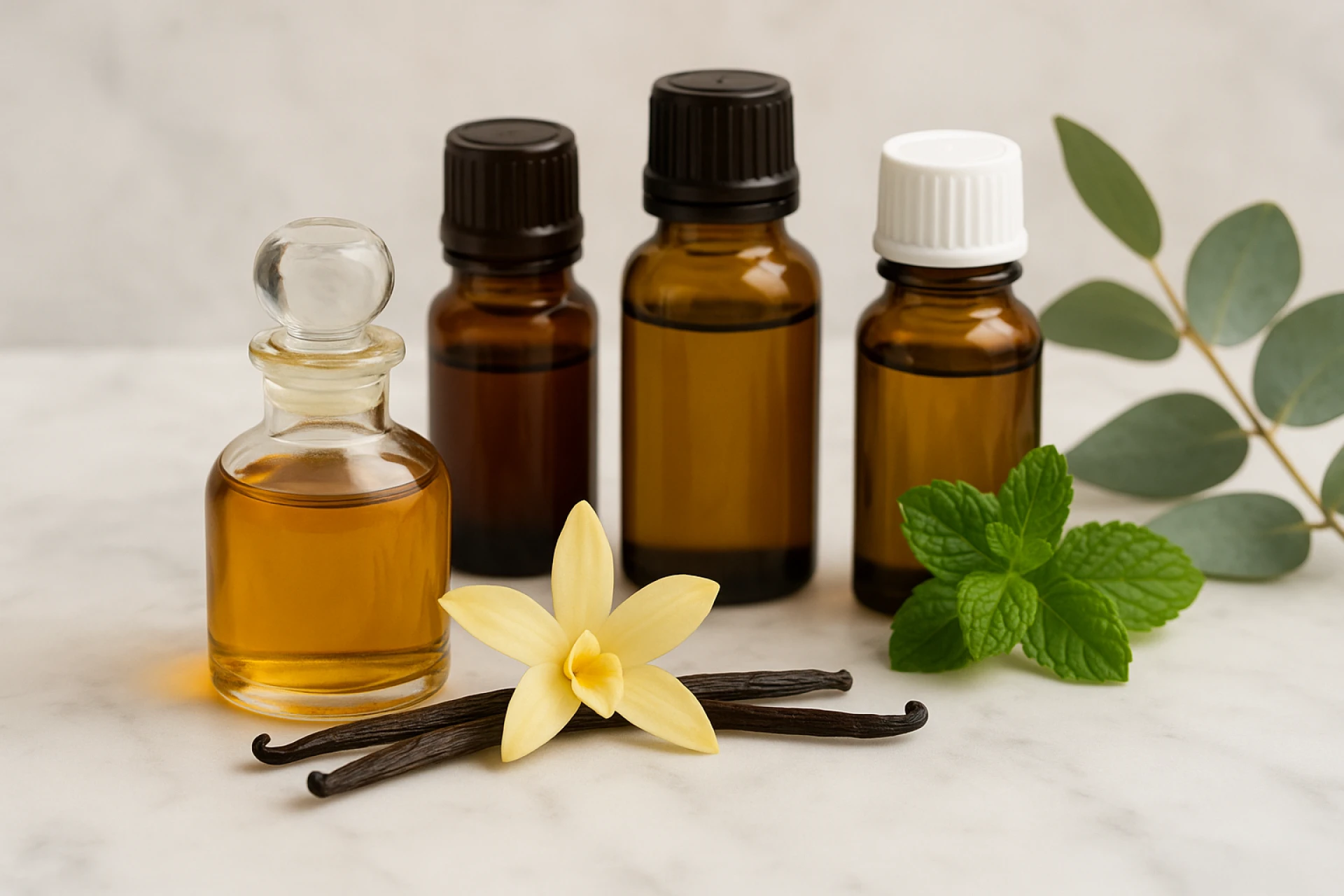

Essential oils have become a staple in health, wellness, and self-care routines. From aromatherapy to skincare, these potent plant extracts offer a wide range of benefits. Among them, vanilla essential oil has grown in popularity for its sweet, comforting scent and soothing properties. But with so many options available—like lavender, peppermint, tea tree, and eucalyptus—how do you know which oil is best for your needs? In this guide, we’ll compare vanilla essential oil to other essential oils, helping you decide which one is right for you.
What Is Vanilla Essential Oil?
Vanilla essential oil is derived from the pods of the vanilla orchid (Vanilla planifolia), usually through a process of extraction using solvents or carrier oils. Its rich, sweet aroma is instantly recognizable, making it a favorite in aromatherapy, perfumes, and even culinary applications.
The key compounds in vanilla essential oil, including vanillin, contribute to its therapeutic benefits:
- Calming and Relaxing: Vanilla essential oil is well-known for its soothing, stress-reducing effects.
- Mood-Enhancing: The sweet scent can help uplift mood and reduce feelings of anxiety.
- Skin Benefits: It possesses antioxidant properties, helping combat free radicals and support healthy, glowing skin.
Popular Essential Oils to Compare
Before comparing, here are some commonly used essential oils:
- Lavender Essential Oil – Known for relaxation, sleep improvement, and minor wound healing.
- Peppermint Essential Oil – Often used for headaches, nausea, and boosting energy.
- Tea Tree Essential Oil – Famous for its antibacterial and antifungal properties, especially for skin and hair care.
- Eucalyptus Essential Oil – Commonly used for respiratory support and clearing nasal congestion.
Each of these oils has unique benefits, making them suited for different needs. Let’s break down the comparisons.
Vanilla Essential Oil vs. Lavender Essential Oil
Lavender and vanilla are both popular for relaxation and aromatherapy, but they work differently.
- Scent Profile: Lavender has a floral, herbaceous scent, while vanilla is sweet and comforting.
- Mood Benefits: Both oils can reduce stress, but vanilla is often considered more warming and emotionally comforting, whereas lavender is more calming and soothing.
- Sleep Aid: Lavender is widely recommended for insomnia, whereas vanilla is better for creating a cozy, relaxing environment but may not directly induce sleep.
- Skin Use: Lavender is great for minor burns, cuts, and acne, while vanilla provides antioxidant support and a pleasant scent but is less effective for wound healing.
Verdict: Choose lavender if you want targeted sleep support and calming for the nervous system. Choose vanilla if you’re looking for emotional comfort and antioxidant benefits for your skin.
Vanilla Essential Oil vs. Peppermint Essential Oil
Peppermint essential oil is known for its invigorating, cooling sensation. How does it compare to vanilla essential oil?
- Scent Profile: Peppermint is sharp and refreshing, vanilla is sweet and soothing.
- Mood Benefits: Peppermint can increase alertness and reduce mental fatigue, while vanilla calms the mind and lifts spirits gently.
- Pain Relief: Peppermint oil is commonly used for tension headaches and muscle aches because of its cooling effect. Vanilla can be comforting but doesn’t provide the same immediate physical relief.
- Skin Use: Peppermint may irritate sensitive skin if applied directly, while vanilla is generally gentle and can be added to moisturizers and serums for its scent and antioxidant properties.
Verdict: Choose peppermint for energy, focus, and cooling relief. Choose vanilla for emotional comfort, stress reduction, and skin antioxidant benefits.
Vanilla Essential Oil vs. Tea Tree Essential Oil
Tea tree oil is often praised for its powerful antiseptic properties. Here’s how it stacks up against vanilla essential oil:
- Scent Profile: Tea tree has a strong, medicinal scent, which can be overpowering for some, while vanilla is sweet and inviting.
- Skin Benefits: Tea tree is excellent for acne-prone skin, fungal infections, and minor cuts, whereas vanilla supports skin health through antioxidants but doesn’t have strong antimicrobial properties.
- Mood Benefits: Vanilla promotes relaxation and emotional comfort. Tea tree has minimal mood-enhancing effects but can provide a sense of cleanliness and refreshment.
- Safety Considerations: Tea tree should be diluted before topical application, as it can irritate sensitive skin. Vanilla is generally gentle when diluted in a carrier oil.
Verdict: Choose tea tree for acne, fungal infections, and skin cleansing. Choose vanilla for relaxation, soothing scent, and antioxidant skin support.
Vanilla Essential Oil vs. Eucalyptus Essential Oil
Eucalyptus essential oil is known for respiratory support and its invigorating scent. Here’s a comparison:
- Scent Profile: Eucalyptus is fresh, camphoraceous, and minty, whereas vanilla is warm and sweet.
- Respiratory Support: Eucalyptus can help clear nasal passages and ease congestion. Vanilla has minimal effects on respiratory function but can provide emotional comfort during illness.
- Mood Benefits: Eucalyptus invigorates and energizes, while vanilla calms and soothes.
- Skin Benefits: Eucalyptus can help with minor aches and skin inflammation, while vanilla is primarily antioxidant-rich and gentle.
Verdict: Choose eucalyptus for respiratory relief and an energizing aroma. Choose vanilla for stress reduction, emotional support, and skin antioxidant benefits.
How to Choose the Right Essential Oil for You
Deciding between vanilla essential oil and other essential oils depends on your needs:
- Mood and Emotional Support: If stress reduction, comfort, and emotional well-being are your priorities, vanilla essential oil is ideal.
- Sleep Aid: Lavender is your best choice for promoting restful sleep.
- Energy and Focus: Peppermint and eucalyptus can boost alertness and concentration.
- Skin Concerns: Tea tree is excellent for acne and infections, while vanilla offers antioxidant support and a soothing aroma.
- Respiratory Support: Eucalyptus is the top choice for clearing congestion and promoting easier breathing.
Tips for Using Vanilla Essential Oil Safely
While vanilla essential oil is generally gentle, safety is always important:
- Dilute Before Use: Mix with a carrier oil like coconut, jojoba, or almond oil for topical application.
- Patch Test: Test on a small area of skin to check for allergic reactions.
- Avoid Ingestion: Unless it’s a food-grade vanilla extract or oil, do not ingest.
- Store Properly: Keep in a cool, dark place to maintain potency and prevent degradation.
Vanilla essential oil is versatile—it can be diffused, added to baths, blended with lotions, or incorporated into massage oils. Combining it with other oils, like lavender or jojoba, can enhance both its therapeutic and aromatic effects.
Conclusion
Vanilla essential oil offers unique benefits that set it apart from other essential oils. Its sweet, comforting scent, antioxidant properties, and stress-relieving effects make it a great choice for emotional wellness and gentle skin care. However, other essential oils like lavender, peppermint, tea tree, and eucalyptus each have specific advantages—whether it’s promoting sleep, boosting energy, targeting acne, or supporting respiratory health.
Ultimately, the right essential oil depends on your individual needs and preferences. For relaxation and emotional comfort, vanilla essential oil is unmatched. For more targeted concerns like sleep, respiratory support, or skin conditions, blending vanilla with other essential oils or using those oils alone can help you achieve optimal results.
By understanding the unique properties of each oil, you can create a personalized essential oil routine that supports both your physical and emotional well-being, turning everyday self-care into a truly therapeutic experience.



























Sign in to leave a comment.