
Introduction
In this comprehensive guide, we delve into the various treatment options available for varicose veins, exploring effective solutions to alleviate symptoms and improve leg appearance.
Understanding Varicose Veins
Varicose veins(علاج الدوالي في الرياض) are enlarged, twisted veins that usually appear on the legs and feet. They occur when the valves in the veins weaken or fail, causing blood to pool and veins to swell. This condition can lead to discomfort, pain, and cosmetic concerns for many individuals.
Non-Surgical Treatments for Varicose Veins
Non-surgical treatments focus on managing symptoms and improving vein health without invasive procedures:
Compression Therapy: Using specially fitted stockings or wraps to apply pressure and improve blood flow, reducing swelling and discomfort associated with varicose veins.
Lifestyle Modifications: Encouraging regular exercise, maintaining a healthy weight, and elevating legs when resting can help alleviate symptoms and prevent varicose veins from worsening.
Dietary Changes: Consuming a high-fiber, low-sodium diet promotes healthy circulation and reduces the risk of developing varicose veins.
Minimally Invasive Treatments
Minimally invasive procedures offer effective solutions with quicker recovery times compared to traditional surgery:
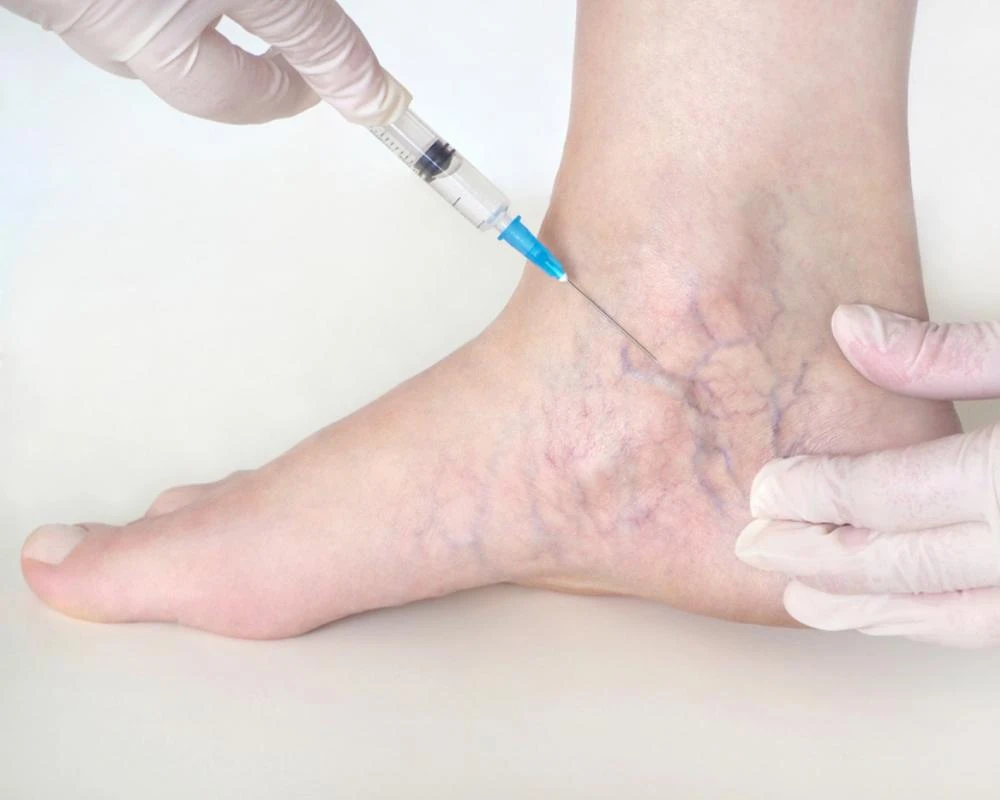
Sclerotherapy: A procedure involving the injection of a solution directly into the varicose vein, causing it to collapse and eventually fade away. This treatment is ideal for smaller varicose veins and spider veins.
Endovenous Laser Ablation (EVLA): Using laser energy to heat and seal off problematic veins, diverting blood flow to healthier veins nearby. EVLA is highly effective for larger varicose veins and can be performed on an outpatient basis.
Radiofrequency Ablation (RFA): Similar to EVLA but using radiofrequency energy to close off varicose veins. RFA offers comparable results and minimal discomfort during and after the procedure.
Surgical Treatments
For severe cases or when minimally invasive treatments are not suitable, surgical interventions may be necessary:
Vein Stripping: A procedure where the affected vein is surgically removed through small incisions. It\'s typically reserved for large varicose veins that do not respond to other treatments.
Ambulatory Phlebectomy: Involves the surgical removal of varicose veins through tiny punctures or incisions. It\'s often used in conjunction with other treatments for optimal results.
Choosing the Right Treatment
The choice of treatment depends on various factors, including the size and severity of varicose veins, overall health, and patient preferences. Consulting with a qualified healthcare provider is essential to determine the most suitable treatment plan tailored to individual needs.
Post-Treatment Care and Recovery
After undergoing varicose vein treatment, patients are advised to follow specific guidelines for optimal recovery:
Wearing Compression Garments: Helps reduce swelling and promotes healing after non-surgical and minimally invasive procedures.
Physical Activity: Engaging in light exercise as recommended by the healthcare provider to promote circulation and prevent blood clots.
Follow-Up Visits: Regular check-ups to monitor progress and ensure the effectiveness of the chosen treatment.
Conclusion
In conclusion, understanding the best treatment options for varicose veins is crucial for managing symptoms and improving quality of life. Whether opting for non-surgical, minimally invasive, or surgical interventions, individuals can find relief and achieve healthier legs with the right approach. Consulting with a healthcare professional will guide patients toward the most effective treatment strategy tailored to their unique needs.





Sign in to leave a comment.