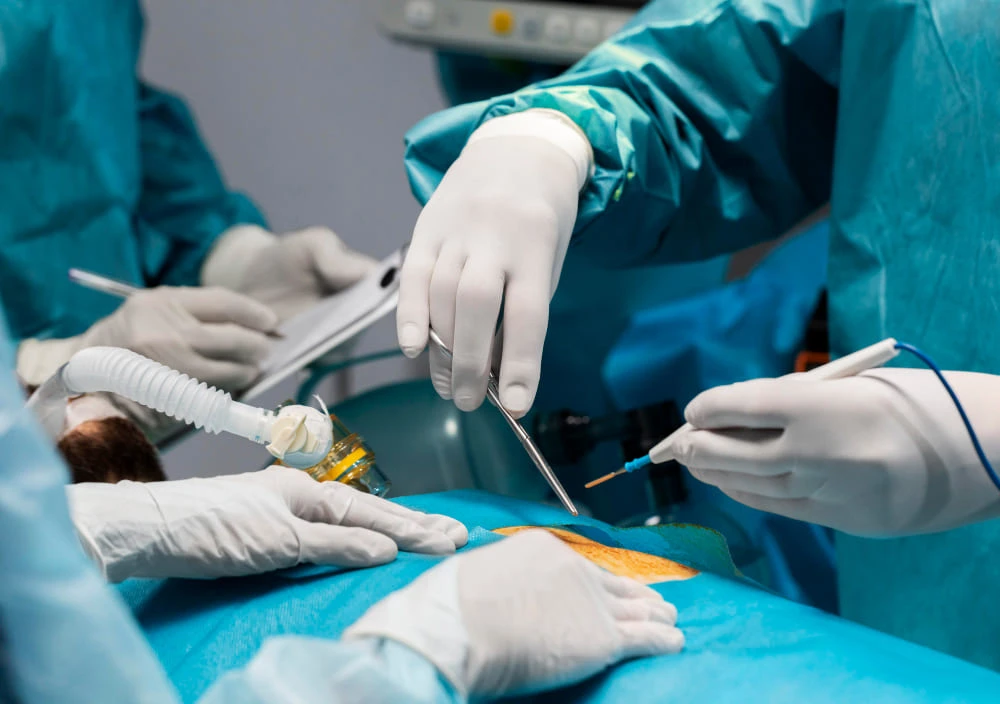

You may have heard of the different types of vascular diseases you can develop, but do you understand the procedures to treat them? Many of these are readily available if you visit your nearest vascular clinic. However, to know which type of surgery you need, you must first be diagnosed through a consultation with a vascular specialist.
If you are still wondering if you should book an appointment, here is what you need to know before you inquire with a doctor further:
About Vascular Disease
Vascular disease refers to a group of conditions that affect the circulatory system, which is the system that carries blood throughout the body. This can include arteries, veins, and capillaries. Various factors, including genetics, lifestyle, and medical conditions, can cause vascular diseases. Some common types of vascular disease include:
Atherosclerosis: This is a condition in which plaque builds up inside the arteries, narrowing the blood vessels and making it harder for blood to flow.Peripheral artery disease: This is a condition that occurs when plaque builds up in the arteries that carry blood to the legs and feet, reducing blood flow and causing pain and discomfort.Aneurysm: This is a bulge or ballooning in a blood vessel that can rupture and cause bleeding.Deep vein thrombosis: This condition presents as a blood clot in a deep vein, most often in the leg. If the clot breaks loose, it can travel to the lungs and cause a pulmonary embolism.Varicose veins: These are swollen, twisted veins that are often visible just under the skin. They are most commonly found in the legs and can be painful.Depending on the specific condition and severity, treatment for vascular disease may include medications, lifestyle changes, or surgery. Working with a healthcare provider is essential to determine the best treatment plan for you.
Vascular Surgery Types
Several types of vascular surgery can be used to treat various conditions affecting the circulatory system. Some common types of vascular surgery include:
Angioplasty: This procedure involves using a small balloon catheter to open a blocked artery and improve blood flow.Atherectomy: This procedure involves removing plaque from an artery using a catheter equipped with a laser or other cutting device.Endarterectomy: This is a surgical procedure that involves removing plaque from an artery to improve blood flow.Bypass surgery: During this surgery, a blocked or narrowed artery is bypassed by establishing a new passageway for the blood to take.Aneurysm repair: This procedure involves sealing or removing a bulge in a blood vessel to prevent it from rupturing.Thrombectomy: This procedure involves removing a blood clot from a vein or artery using a catheter or other instrument.Varicose vein surgery: This procedure involves removing or repairing twisted or swollen veins in the legs.Each of these procedures has its own risks and benefits, and the best treatment option for a particular patient will depend on their circumstances and the treatment condition. Therefore, it's essential to work with a vascular surgeon to determine the most appropriate treatment plan for you.
How Effective Is Vascular Surgery?
Vascular surgery can be an effective treatment for many conditions that affect the circulatory system. However, the effectiveness of vascular surgery will depend on the specific condition being treated and the individual patient. Some common conditions that may be treated with vascular surgery include:
Atherosclerosis: Vascular surgery, such as angioplasty or atherectomy, can be effective in opening blocked arteries and improving blood flow.Peripheral artery disease: Vascular surgery, such as angioplasty or atherectomy, can be effective in opening blocked arteries and improving blood flow.Aneurysm: Aneurysm repair surgery can be effective in sealing or removing the aneurysm to prevent it from rupturing.Deep vein thrombosis: Thrombectomy surgery can be effective in removing the blood clot and preventing further complications.Varicose veins: Varicose vein surgery can be effective in removing or repairing these veins to improve symptoms.Overall, the effectiveness of vascular surgery will depend on the specific procedure being performed, the patient's individual circumstances, and the patient's overall health. Therefore, working with a vascular surgeon is important to determine the most appropriate treatment plan for you.











Sign in to leave a comment.