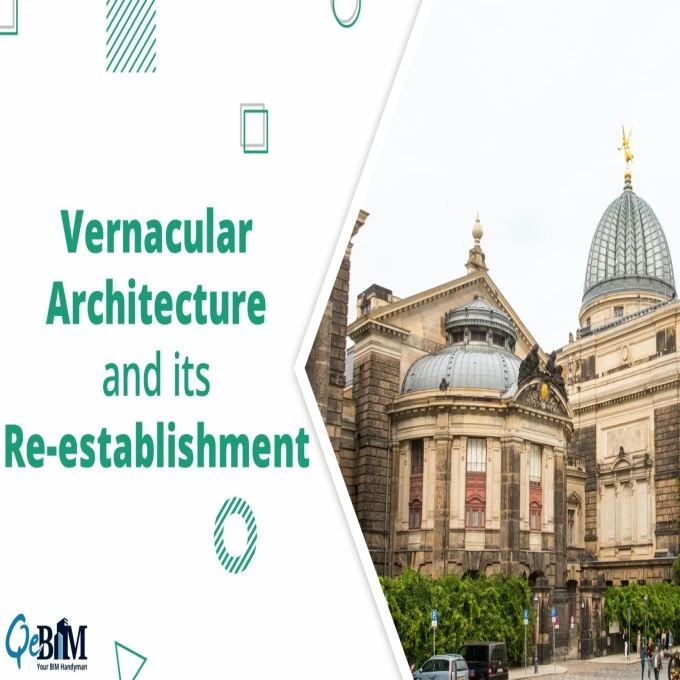

Vernacular architecture is a low-key building style with a specific touch and feel of local or regional construction. It uses local and traditional materials and resources to construct buildings or homes. This architecture is closely related to its geographic, topographic, and cultural aspects. Their designs are totally different and unique across the world with respect to their origination, reaffirming their identity.
Vernacular architecture encompasses the peoples' dwellings relevant to their respective environments and surroundings. It is built using classical techniques to cater to any particular culture's specific values, economy, and traditions. The significant attributes of this architecture are tradition, history, and exploration. It refers to an indigenous construction that is domestic, native, and ancestral.
History of Vernacular Architecture
Vernacular architecture is the cultural buildings that encompass through generations. These have been in existence since mid 17th century when they were built by the regionals implementing the locally learned skills and didn't have any architect or dedicated professional to guide over. It originated with the purpose of using natural resources as a shelter keeping in mind the environment and climatic conditions. This represents the sense of old construction practices and emphasizes sustainability, giving modest and cost-effective structures.
Characteristics of Vernacular Architecture
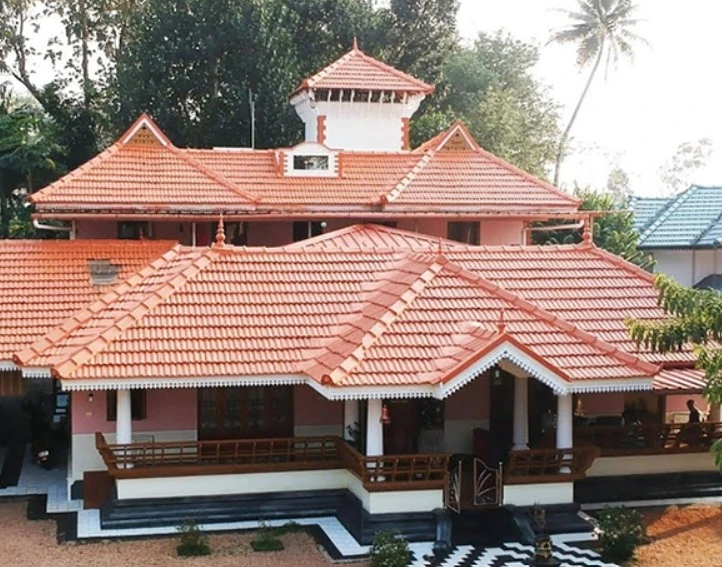
Foundations with minimal openings to favor thermal conditionsHeat, water, and wind shading roofs with overhanging eaves designHumidity control with cross-ventilationClimatically responsive designs to reduce energy consumptionWooden framed structures that are load bearingOverhead loft used for storage as well as to segregate top hot zone from lower cool zoneVernacular Architecture and its Rollback
The characteristics of Vernacular architecture are the possible reasons for its revival. In addition, there are several reasons that it is gaining popularity and must be applied to modern architectural designs.
Sustainability: As seen above, this architecture focuses more on energy efficiency and uses outdoor material that stays cool indoors, preventing the use of ACs saving huge on power consumption, and following green architectural principles. In contemporary architecture, most of the methodology and construction principles are taken referring to vernacular architecture.Designing: The vernacular architecture design is influenced by human behavior and surroundings, and architects these days have been searching for climatic responsive design methods that can be incorporated into modern construction. Builders these days are in search of practical designs that focus more on function and less on beauty.Costings: Considering the concept of vernacular architecture, the design and construction are held at the very same place. Therefore, these structures are far more cost-effective as compared to modern construction.Materials Usage: Vernacular architecture uses locally sourced materials like mud bricks, bamboo, stone, clay, timber, and so on for construction. Since they are available locally, depending on the region, they can be utilized adequately and guarantee a concrete structure at nominal costs avoiding the searching, sourcing, and transporting materials from various areas.Technology: Vernacular architecture focuses more on using standard techniques and architectural methods based on experiences and tweaks, making the construction more straightforward yet strong as per surroundings. Since modern architecture utilizes technology, many firms spend a hell amount of money to avail the technology and train their staff to use it. Vernacular architecture aids this cost and learning time.Faster Construction: Since vernacular architecture focuses on more superficial and less definitive designs that emphasize more on aesthetics rather than deliberate rules for construction, creating these structures is easy, effective, and fast compared to modern structures.Vernacular architecture has been reused in many modern and contemporary architectural practices because of its bioclimatic characteristics, environment-friendliness, and cost- effectivity. In addition to these reasons, durability and versatility are also why ancient architectural structures and approaches are being examined and replicated via modeling in the projects with the help of effective Scan to BIM Services. The restoration of these structures emerges instinctively, collaborating well with modern techniques.
Conclusion:
Most of the time, Vernacular architecture might not be appealing or technologically innovative, but it is an integral part of the building structure. This is why many architects are re-establishing this in modern construction. It has evolved dramatically and now is regaining the multitude of architectural ideas, influences, and uniqueness, substantially impacting modern homes. Today, architects and designers are taking the elements of the vernacular structure while designing architectural models for contemporary buildings. If you want to integrate such authenticity with functionality into your next project, consider outsourcing the Architectural BIM Services to an expert who can give you a great design model with a blend of aesthetics, tradition, and sustainability at the same time.







Sign in to leave a comment.