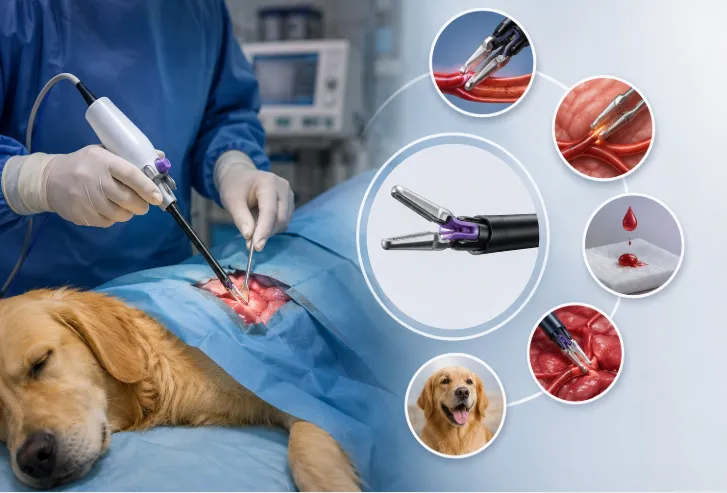

Veterinary surgery often involves procedures where precise control of bleeding is critical. Minimizing blood loss, reducing tissue trauma, and maintaining safe anesthesia times are all essential for positive outcomes in animal patients. A vessel sealing device is a key tool that helps veterinary surgeons achieve these goals efficiently and safely.
This blog explains how a vessel sealing device enhances surgical procedures, its applications in veterinary medicine, and how it improves outcomes for both animals and veterinary teams.
Understanding Vessel Sealing Technology
A vessel sealing device uses energy to seal blood vessels and tissue efficiently during surgery. By coagulating vessels while minimizing damage to surrounding tissue, the device allows surgeons to perform both open and laparoscopic procedures with greater precision.
The controlled sealing process reduces blood loss and provides a clear surgical field, which is particularly important in small animals or when operating in confined areas. This technology contributes to safer and faster surgeries.
Applications in Veterinary Procedures
Vessel sealing devices are used across a wide range of veterinary surgical procedures, including:
- Spay and neuter surgeries
- Splenectomy
- Limb amputation
- Pyometra resection
- Mammary chain mass removal
- Soft palate resection
For each procedure, the device improves efficiency by simultaneously sealing and cutting tissue, reducing the number of instrument exchanges and overall surgery time.
Reducing Blood Loss and Tissue Trauma
Controlling bleeding is one of the most critical aspects of veterinary surgery. Excessive blood loss can compromise animal safety and complicate recovery. A vessel sealing device reduces intraoperative bleeding by sealing vessels quickly and effectively.
Minimized tissue trauma also promotes faster healing and lowers the risk of post-operative complications. This allows veterinary teams to maintain better surgical control while supporting improved recovery outcomes for animal patients.
Shorter Anesthesia and Procedure Stress
By speeding up tissue sealing and reducing bleeding, a vessel sealing device shortens the time animals spend under anesthesia. Shorter anesthesia time decreases the risk of complications and supports quicker post-operative recovery.
Faster procedures also reduce stress for veterinary staff. With a reliable tool that streamlines tissue management, teams can focus on precision and patient safety rather than managing unexpected bleeding or interruptions.
Enhancing Outcomes with Vessel Sealing Technology
A vessel sealing device is more than a convenience; it is an essential tool for safe, efficient veterinary surgery. By controlling bleeding, reducing tissue trauma, and shortening anesthesia times, it improves both patient safety and surgical workflow.
Veterinary practices that incorporate vessel sealing technology can perform complex procedures more efficiently, reduce surgical risks, and support better recovery for animal patients. With precise control and reliable performance, vessel sealing devices have become a standard for modern veterinary surgery.

























Sign in to leave a comment.