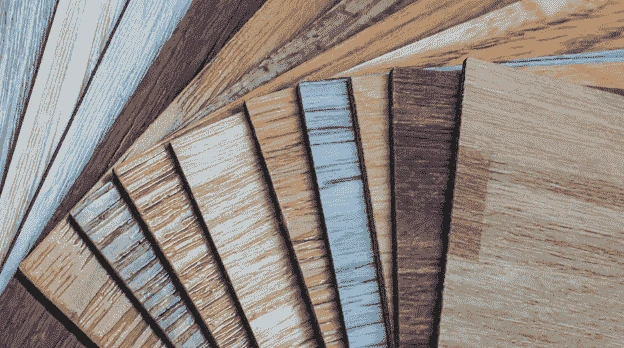

Many of you probably work from home or use your house as a gym. The flooring that used to work for flex space probably doesn't work for an office or home gym anymore. Installing engineered hardwood flooring made from real wood or mostly waterproof vinyl flooring could change your office or new workout area in a big way.
Wood-look flooring's popularity is only expected to increase. As a result of the trend's widespread acceptance, manufacturers of ceramic and porcelain tile have begun producing realistic wood grain patterns. Unfortunately, not all woods have the same aesthetic value. There are benefits and drawbacks to each group. The question then becomes how to choose which kind of wood-look flooring is ideal for your home.
We'll go through the pros and cons of both engineered hardwood and vinyl flooring, so In this way, you'll be able to choose the one that best suits your requirements.
Many Advantages That Both Vinyl and Engineered Hardwood Floors Have in Common
With Vinyl and engineered hardwood, you can change the widths, colors, textures, and finishes of the planks. Both Vinyl and engineered hardwood are long-lasting and, to varied degrees, pet-friendly. There are watertight variations of everything. The one necessary step in keeping it in great shape is to mop it with water once in a while. Installation can be done quickly if you have the right tools and a few basic handyman skills.
Benefits of Engineered Hardwood Flooring
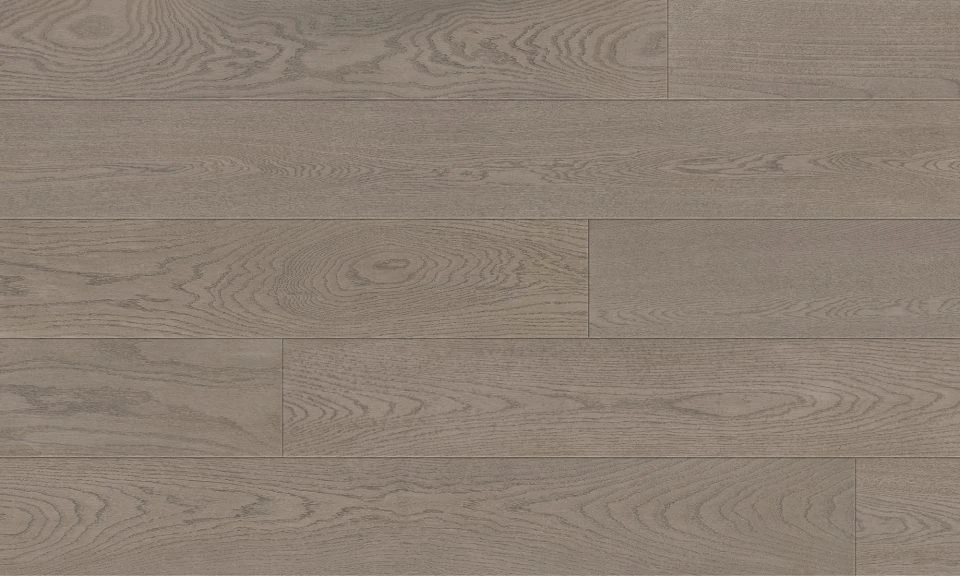
Since it is made from genuine wood, engineered hardwood may easily pass for the real thing, it has the same cozy feel and timeless wood appearance as real hardwood floors, thanks to the top layer of genuine wood veneer.
Its composition allows for its use in subterranean settings, such as basements, where solid hardwood would be ruined by exposure to moisture and heat. Installing it yourself might save you both time and money compared to hiring a professional. If cared for correctly, its lifespan may extend to the 80-year mark and beyond.
Downsides
There are some issues with engineered hardwood, although they are minimal. Wood is susceptible to wear and damage because of its natural composition. A thin veneer prevents refinishing of certain engineered hardwood floors. You'll have to accept whatever wear and tear could occur, and the item won't last as long as you'd want it to. What's the fix? Invest in some high-quality engineered hardwood.
The Difference Between Solid and Manufactured Hardwood
Price-wise, engineered hardwood is far more affordable than traditional hardwood flooring. Variations in temperature and humidity may cause additional damage to hardwood floors. In contrast, the structural integrity of engineered hardwood makes it more resistant to these shifts.
Depending on the product, engineered hardwood might be more resistant to moisture and high temperatures. Although not all, wide varieties of engineered hardwood are constructed to be both water- and heat-resistant.
Comparison between Vinyl and Man-Made Hardwood
Prices for engineered hardwood are similar to those for vinyl plank flooring, which is more expensive than vinyl sheet flooring or vinyl tile flooring. With a real hardwood veneer on its outside surface, it is far more durable than Vinyl and is less susceptible to ripping or denting. If the veneer is thick enough, engineered hardwood flooring may be refinished.
The Advantages and Disadvantages of Laminate and Engineered Hardwood Flooring
When it comes to setup, laminate, and engineered hardwood are almost on par with one another. As compared to solid hardwood, both of these options have click mechanisms and can be installed rapidly. Laminate has a photographic layer that gives it the appearance of wood, whereas engineered hardwood has an actual layer of wood as its top layer.
Roofing Tiles vs. Man-Made Hardwood
Engineered hardwood is a far better heat-transferring and more comfortable-to-walk-on alternative than ceramic tile. Joints feel the cold and hardness of the tile. Both may be put in place in a basement below ground level and above radiant heating systems.
Positives of Vinyl Flooring
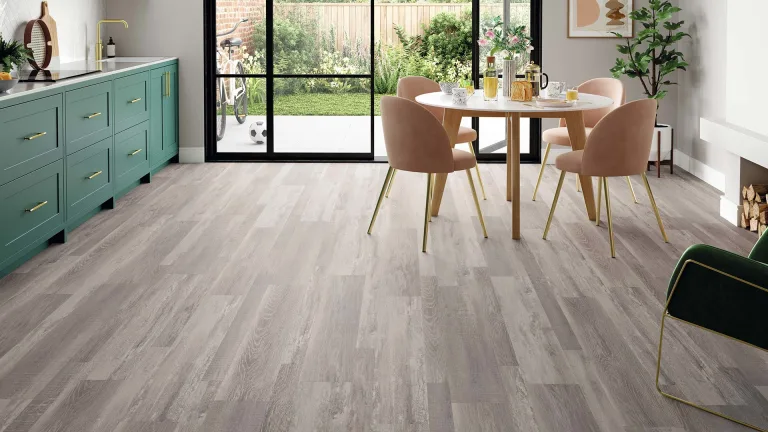
Vinyl flooring lasts for a very long time, doesn't get damaged easily, and may even be submerged in water without any damage. It's simple to set up vinyl flooring, whether it's in sheet, tile, or plank form. The boards and tiles may be changed with little effort if they become broken. Luxury vinyl flooring looks and feels like real wood and comes in a wide range of colors, textures, and styles. In particular, vinyl plank is improving in its ability to simulate the natural qualities of hardwood.
Downsides
Heavy things, such as furniture, dragged over vinyl flooring or left sitting for long periods of time may cause tears or dents in the flooring. It may discolor if put in direct sunlight. But vinyl flooring cannot be refinished. Vinyl flooring and walls are not repairable, just replaceable. Life expectancy for vinyl flooring is typically between 5 and 20 years.
Comparing Hardwood Floors to Vinyl Flooring
Vinyl can't quite match hardwood for class and durability, but it comes close. Vinyl is the go-to flooring material when money is tight since it is so much cheaper than hardwood. Vinyl flooring is superior to hardwood flooring when it comes to its ability to repel moisture.
Which Is Better: Laminate or Vinyl?
Vinyl flooring aesthetics have progressed as far as they can, but they still lack the three-dimensional embossing and textured finish of laminate. When it comes to resistance to moisture, Vinyl is unrivaled. Although water-resistant laminate is available, Vinyl is made up entirely of synthetic components and is thus almost impervious to water.
Ceramic vs. plastic flooring
You may put ceramic or vinyl flooring in the bathroom or the basement without worrying about the dampness damaging the floor. Vinyl is readily destroyed by heat. Thus a radiant heat system can only be installed on ceramic tile. Contrast that with Vinyl's estimated lifetime of just five to twenty years, and it's easy to see why so many people choose ceramic tile for their floors. Luxury vinyl flooring has several advantages over tile flooring, including being warmer and softer underfoot.
What Is the Finest Substance to Use?
There are a few questions you need to ask yourself to determine which material is best for your home based on the needs of your specific project and aesthetic preferences. Initially, in what room do you envision this flooring being installed? What about a home office? Assume you're in the living room. Fitness center?To get a feel for ranking the various flooring materials' features. It's not surprising that a home office's flooring requirements would be different from those of a home gym, just as the flooring preferences of a bathroom would be very different from those of a living room.
Do you know how much you can spend? Spend? Vinyl flooring is a good option when you need to stay within a strict budget. Do not confuse affordable with low-priced. The most recent vinyl flooring options have stunningly realistic and sophisticated Vinyl, depending on the quality and many visuals.
Ultimately, what aesthetic do you want to achieve in this room? To what extent are you concerned with cleanliness, as represented by a light wood appearance, or with creating a cozy, welcoming atmosphere? Modern? Rustic? The difficulty stems from the fact that both materials may be styled to fit any aesthetic. Just what criteria do you use to make your choice?
How to Save Money on Engineered Hardwood and Vinyl Flooring
You may begin making a choice after first consulting TJ projects. Floors made of engineered wood or Vinyl are two of the most popular options. You may ask them whatever you want to know about cost, installation, flooring style, and color.






Sign in to leave a comment.