
A virus is a microscopic agent (germ) that inhabits host cells, or living cells. Viral reproduction or replication requires live cells. There are countless viruses, some of which are more prevalent than others. For instance, COVID-19, Ebola, and HIV are all viruses, as are the typical cold and the flu. Even small viral infections in healthy people might become highly serious for those with compromised immune systems. Sepsis can be caused by nearly any virus.
The body's life-threatening response to infection or damage is sepsis, which is occasionally wrongly referred to as blood poisoning. Sepsis is a medical emergency that calls for prompt diagnosis and treatment, just as heart attacks or strokes.
Any infection in the body, such as pneumonia, the flu, or urinary tract infections, can lead to sepsis and septic shock. Sepsis can also be brought on by viral infections, although bacterial infections are the most common. Sepsis causes one-third of patients to pass away globally. Amputations, post-traumatic stress disorder (PTSD), chronic pain, exhaustion, organ dysfunction (organs don't work properly), and/or chronic pain are just a few of the life-altering impacts that many survivors experience.
Examples of viral infections
You get sick because they utilize these cells as a means of reproduction and growth before ultimately destroying the host cell. Viral infections are more difficult to treat than bacterial infections that can be treated with antibiotics. While some illnesses, like colds, pass quickly and your body repairs itself, others, like HIV, do not.
Some of the more common viruses include:
COVID-19HerpesPneumonia (there is also bacterial pneumonia)Human papillomavirus (HPV)HIV, which can lead to AIDSMeningitis (there is also bacterial meningitis)Influenza (the flu)RotavirusChicken pox
Symptoms of viral infections
Depending on the virus you have and how it affects your body, you will experience different signs and symptoms of an infection.Here are a few examples:
Influenza:
Muscle acheHeadacheCoughFeverSore throat
Meningitis:
Stiff neckHeadacheFeverNausea and vomitingRashSensitivity to light (photophobia)Confusion
Prevention
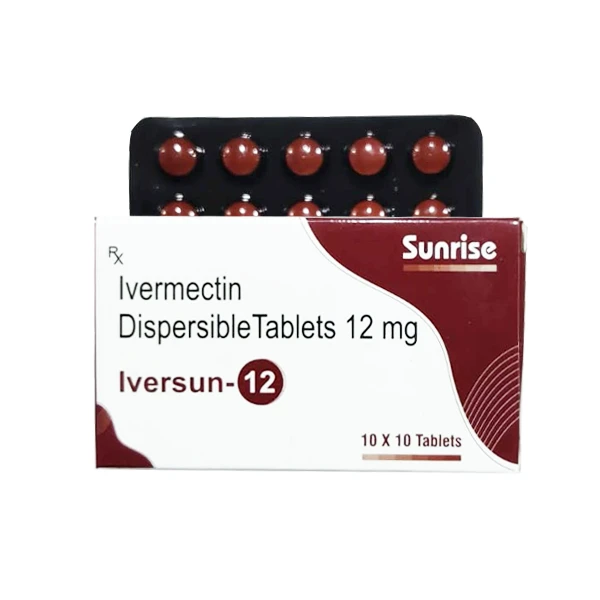
Viruses disseminate themselves in many ways, depending on the virus. A liver condition called hepatitis C spreads via bodily fluids. In contrast, influenza spreads through airborne droplets created when an infected person sneezes or coughs in front of you or through contact with the virus that has been left behind on an object, such as a phone. Although not all viral illnesses can be avoided, there are a few techniques to lower your chance of getting sick with a virus. such as, you can also take Austro Ivermectin12 mg and Buy Ivecop 12 mg.
Stay up-to-date with all recommended vaccines, even adults (To learn more about vaccines, visit Sepsis Prevention: Vaccinations)Wash your hands frequentlyAvoid contact with people who are illDon’t share personal items.Eat a healthy diet. Malnutrition, not consuming enough nutrients for your needs, can lower your body’s ability to fight infection.
Treatment
The typical method for treating viral infections is to address the symptoms. This frequently entails taking over-the-counter pain relievers to alleviate discomfort and lower temperature, resting to alleviate fatigue, and so on until the virus has subsided. The viruses are difficult to treat on their own. For instance, hepatitis C treatment necessitates adherence to a tight drug schedule for a number of weeks to a number of months until the virus is eradicated from your body. Other viruses lack a treatment, but if you take medications soon enough after being exposed to the virus, they might hasten your recovery. These include treatments for shingles and influenza (herpes zoster). Drugs for other viruses, including HIV, keep the infection under control but do not treat it. They can stop the virus's growth and subsequent harm.
Complications
People who have severe bacterial illnesses in addition to viral diseases, such as the flu, can occasionally also acquire viral infections. For instance, pneumonia can develop as a result of influenza and other viral respiratory infections.
0











Sign in to leave a comment.