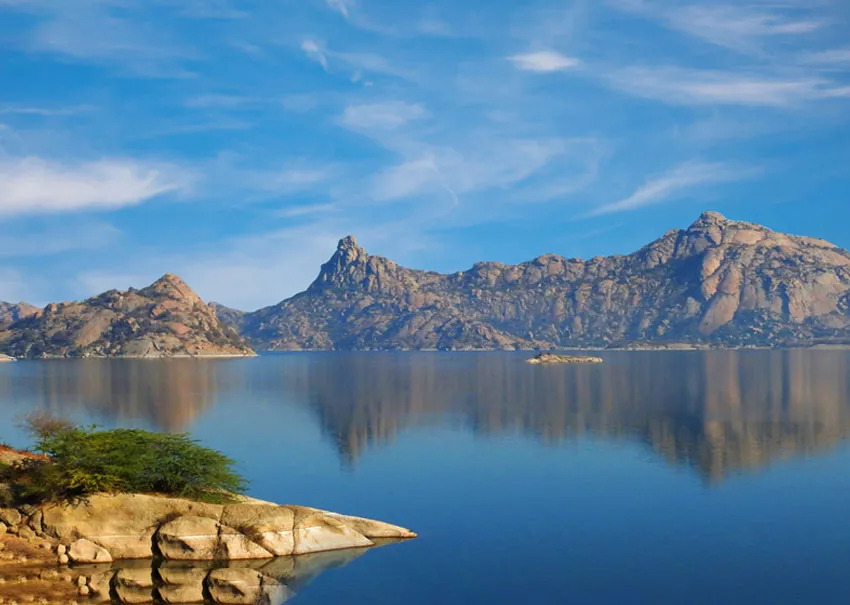

Planning a trip to Rajasthan’s rugged wilderness requires more than just booking a ticket. If you are aiming to witness the unique, harmonious coexistence of wild leopards and local Rabari herdsmen, finding the best resort in Jawai is your crucial first step. This pristine region, centered around the massive Jawai Bandh reservoir, has quickly evolved from a hidden gem into one of India’s premier luxury wilderness destinations.
Unlike traditional national parks, this area does not have formal forest boundaries, meaning the wildlife roams freely across granite hills, farm fields, and village paths. To help you navigate this breathtaking landscape, this comprehensive guide covers everything from wildlife encounters to seasonal planning for an unforgettable 2026 expedition.
The Magic of the Jawai Leopard Landscape
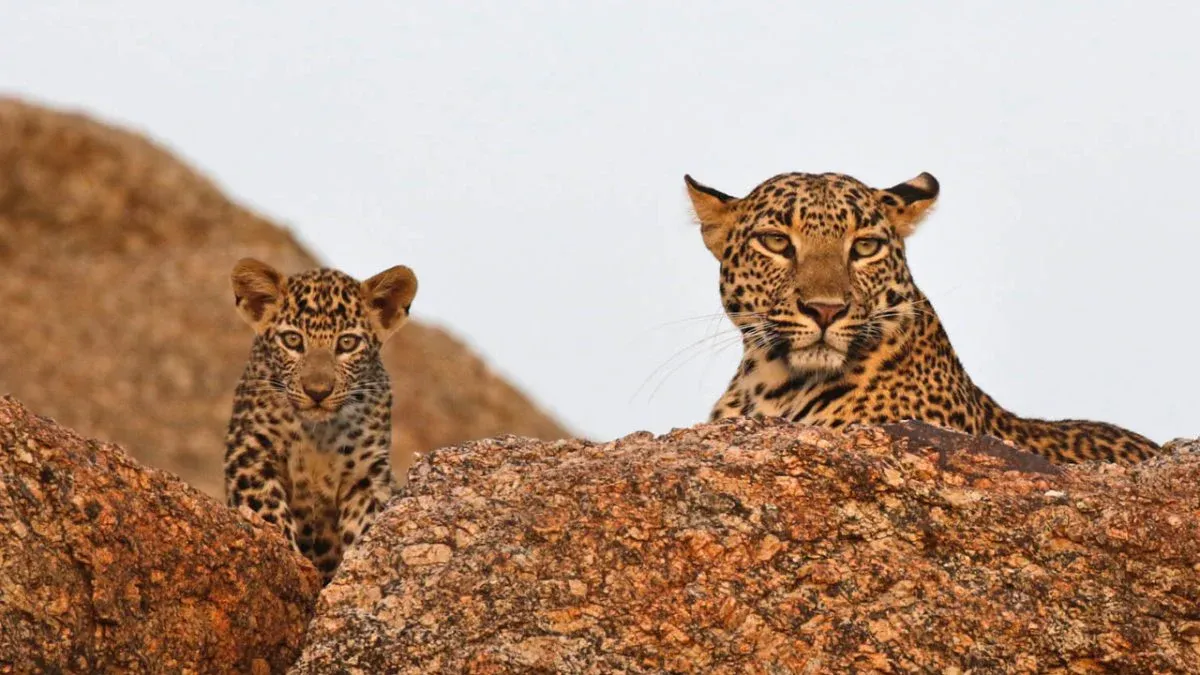
The unique geography of this region is what makes it a standout destination on the global wildlife map. Millions of years of wind and water erosion have shaped the stunning, smooth granite rock formations that characterize the landscape. These hills are filled with natural caves that provide the perfect shelter and breeding grounds for Indian leopards.
Because these leopards have lived alongside the indigenous Rabari pastoralists for generations, they exhibit a calm demeanor rarely seen elsewhere. The leopards do not view humans as threats, nor do they treat them as prey. Witnessing a wild cat lounge peacefully on a rock cliff while a shepherd grazes his livestock just a few hundred meters below is an experience that completely redefines traditional wildlife tourism.
Securing the Perfect Wildlife Encounter
Seeing these big cats requires strategy, local expertise, and patience. The core of any successful trip revolves around a specialized Jawai leapard safari tour managed by expert local trackers. These guides understand the daily movements, territorial boundaries, and individual behaviors of the resident leopard dynasties.
Safaris here are conducted in customized, open-top 4x4 vehicles designed to conquer the steep, treacherous granite slopes. Trackers use local networks and deep historical knowledge of the terrain rather than radio collars, ensuring an authentic and non-intrusive tracking experience. Beyond leopards, a typical drive across the jawai plains often rewards travelers with sightings of striped hyenas, desert foxes, jungle cats, and blue bulls (nilgai).
Choosing the Right Base for Your Expedition
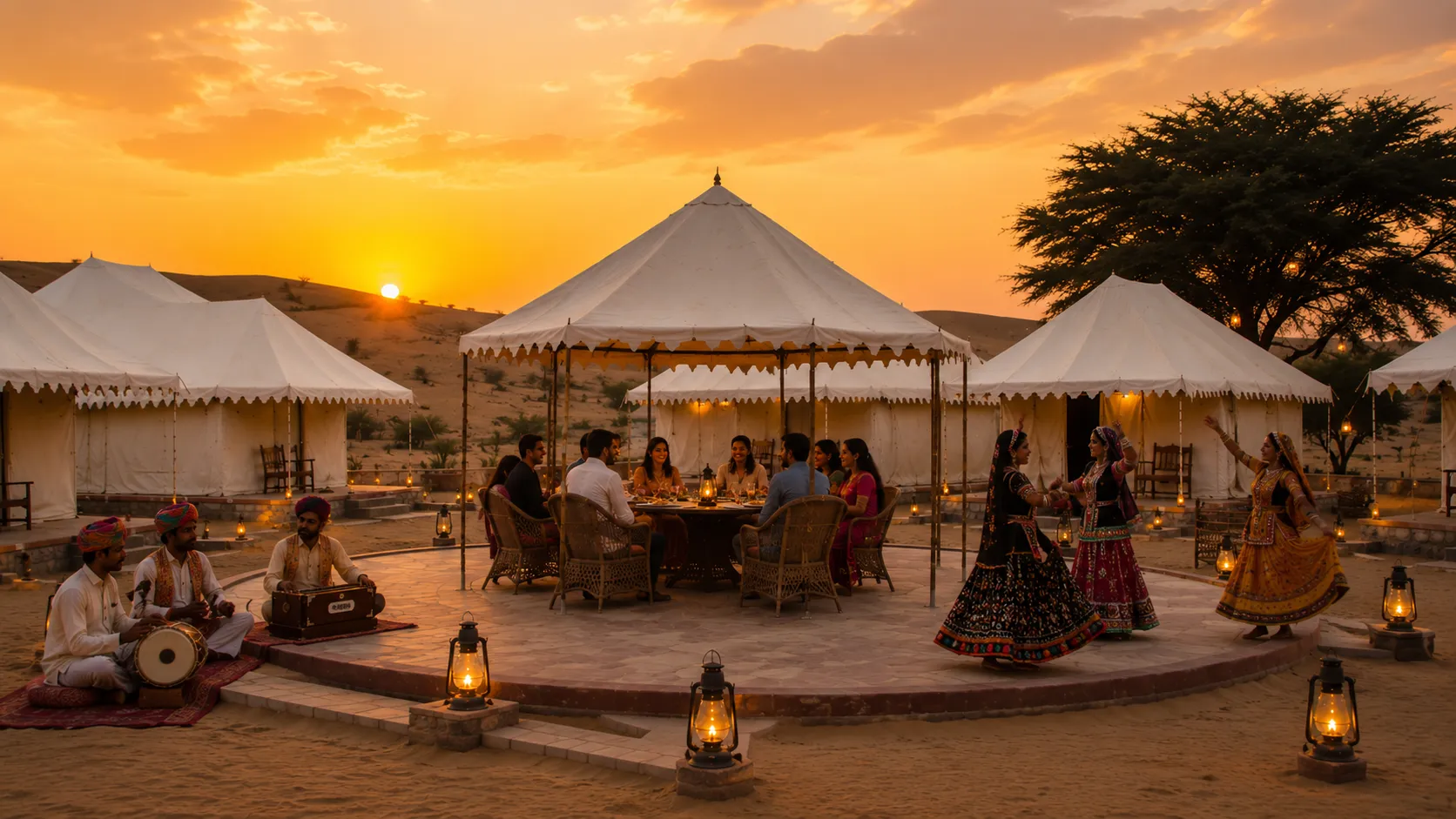
Because the terrain is rugged and the excursions are intense, your choice of stay drastically shapes your overall experience. Finding premium accommodation in Jawai means looking for a property that bridges the gap between raw wilderness and sophisticated comfort. Travelers in 2026 increasingly look for places that blend eco-conscious sustainability with upscale amenities.
The ideal stay provides a peaceful sanctuary to unwind after a dusty morning safari. Look for properties that offer panoramic views of the water or the granite hills, personalized dining featuring regional Rajasthani flavors, and expert in-house naturalists who can enrich your understanding of the local ecosystem during your downtime.
A Paradise for Birdwatchers and Anglers
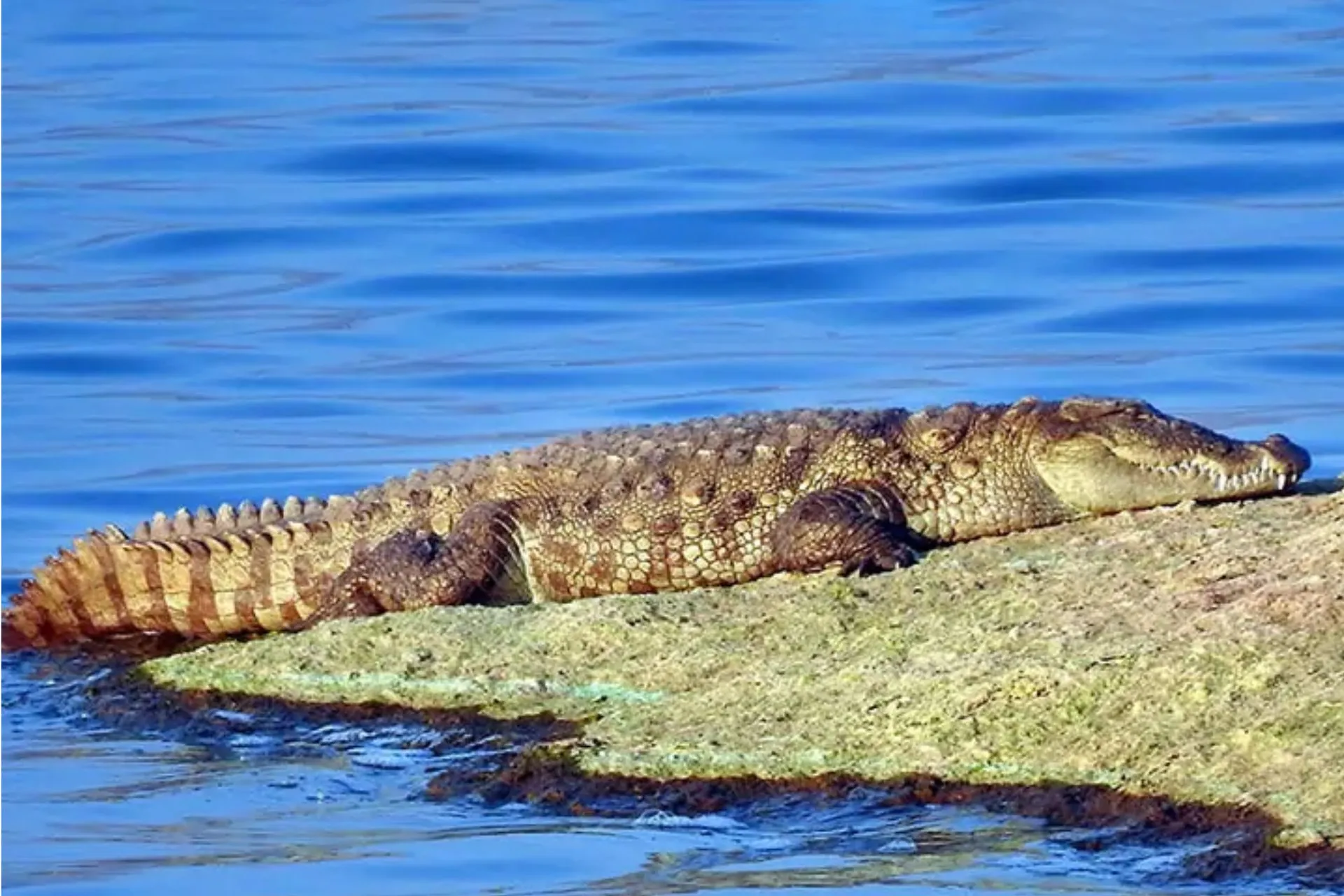
While the leopards draw the crowds, the massive reservoir itself is a massive ecological draw. Fed by the Jawai River, this water body turns into a vibrant wetlands habitat during the winter and post-monsoon months. It supports a massive population of mugger crocodiles, which can easily be seen sunbathing on the sandy banks.
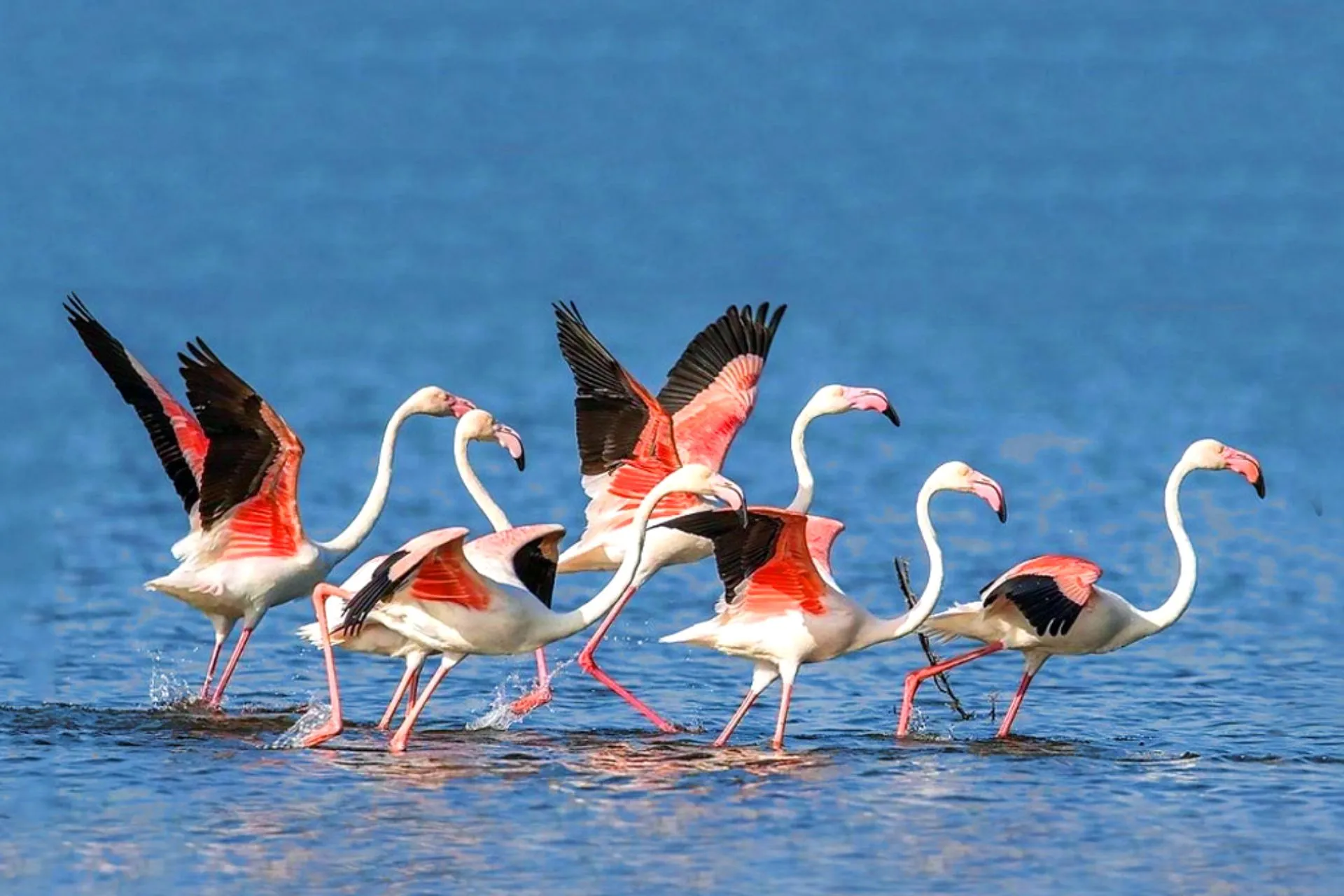
For bird enthusiasts, the lake becomes a bustling transit hub for migratory species. Thousands of flamingos, sarus cranes, bar-headed geese, and pelicans arrive from Siberia and Central Asia, painting the water in brilliant hues of pink and white. A peaceful evening spent by the lakeside with binoculars offers a serene contrast to the adrenaline-fueled rock tracking of the morning.
Cultural Immersive Experiences with the Rabari Tribe
A trip here is incomplete without engaging with the human element that makes this ecosystem sustainable. The Rabari people, instantly recognizable by their striking white attire and bright red turbans, are the traditional custodians of this land. They possess an incredible wealth of oral history and an intuitive understanding of animal behavior.
Taking a guided walk through a traditional Rabari hamlet allows you to witness an ancient, sustainable way of life. You can learn about their nomadic history, admire their distinctive architecture, and understand the deep spiritual beliefs that foster their reverence for the leopard, whom they view as guardians of their local deities.
Best Time to Plan Your 2026 Visit
The region undergoes dramatic visual changes across seasons, each offering a distinct flavor of adventure:
- October to March (The Peak Winter): This is the most popular time to visit. The weather is pleasantly cool, making daytime exploration comfortable. Migratory birds crowd the dam, and leopards frequently bask in the sun on open granite rocks to warm up.
- April to June (The Thrilling Summer): While temperatures can soar, summer is highly rewarding for serious wildlife photographers. As water sources dry up, wildlife movements become highly predictable, concentrating around the remaining water holes.
- July to September (The Lush Monsoon): The rocky landscape transforms into a vibrant green oasis. While tracking on slippery rocks can be challenging, the dramatic clouds and mist over the hills create an incredibly romantic, surreal backdrop for landscape photography.

























Sign in to leave a comment.