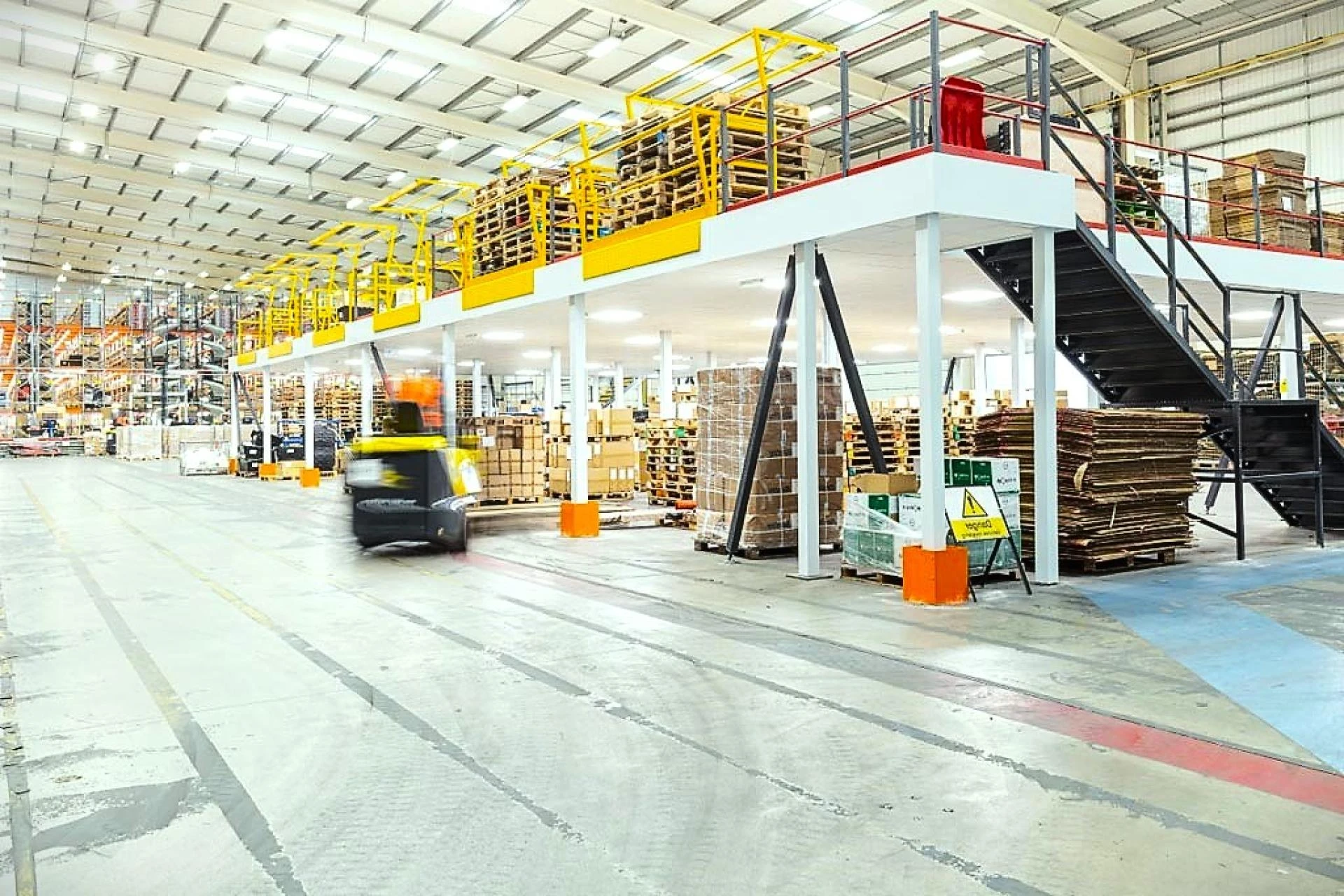

There are numerous things to think about when picking between warehouse flooring options. Whether it's a concrete floor or a mezzanine floor, Melbourne based options are available now. When selecting flooring for your commercial space, contemplate several things, such as selecting an experienced contractor, the best ways to save downtime and stay under budget, and what material will be a fitting surface that is long-lasting. Depending on how the space will be used, each facility has particular flooring needs.
It can be challenging to choose between polished and epoxy flooring. Both types of flooring have advantages, and you'll note that warehouses frequently utilize one or the other, or perhaps both, in various locations because they require less upkeep and cleaning.
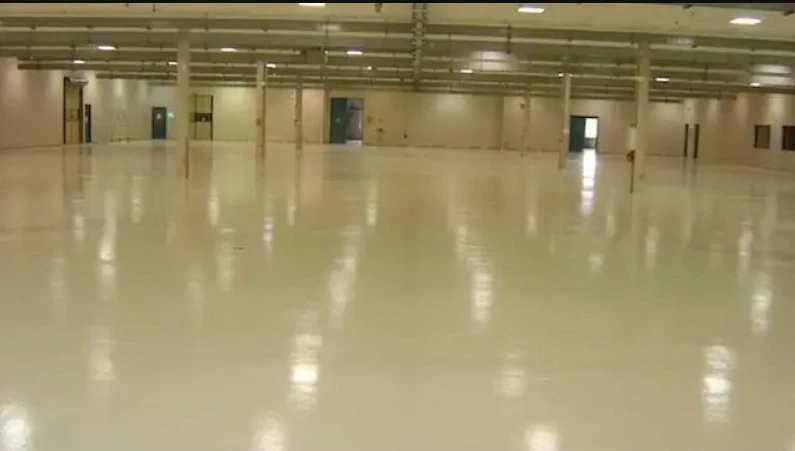
Warehouse Epoxy Concrete Flooring
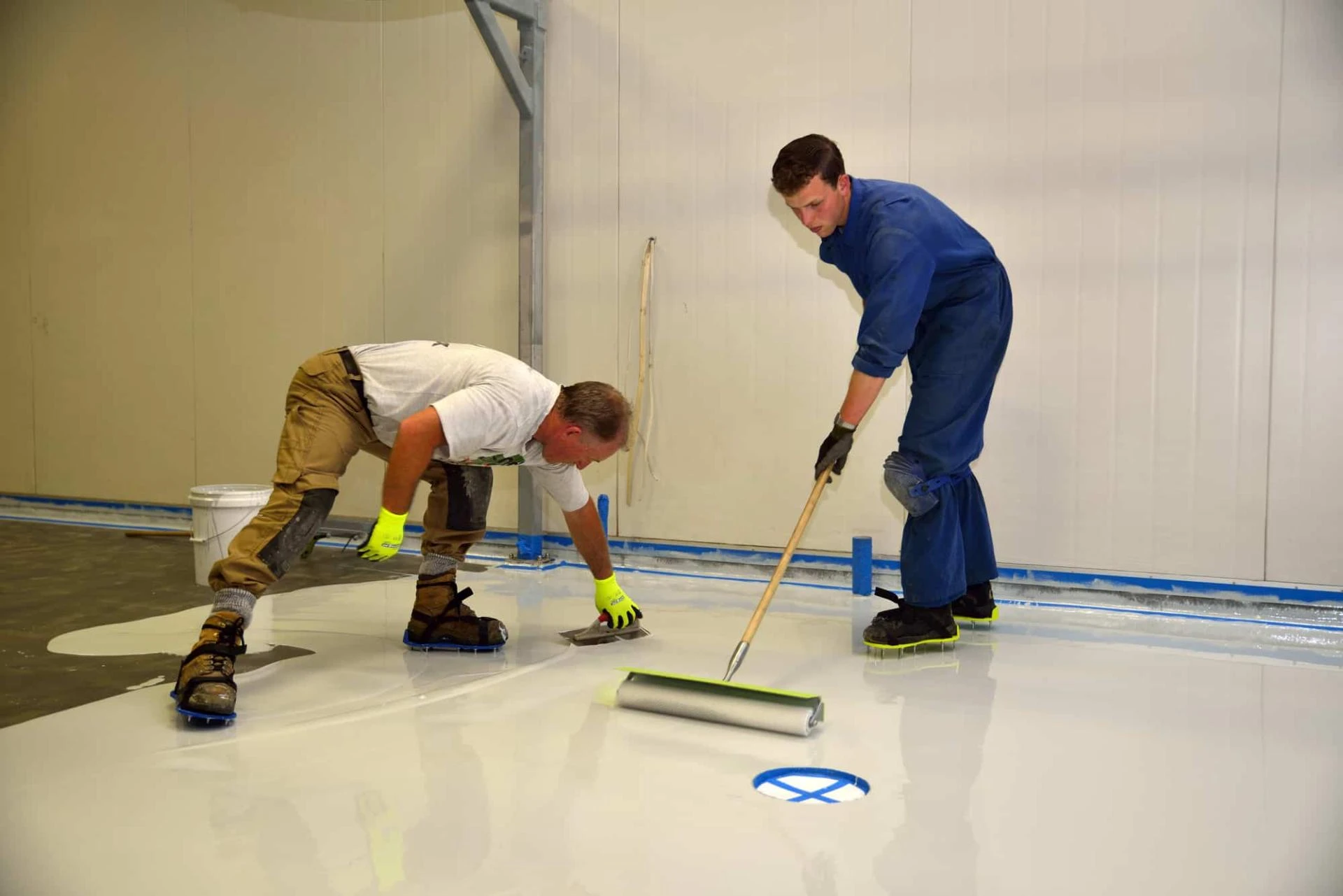
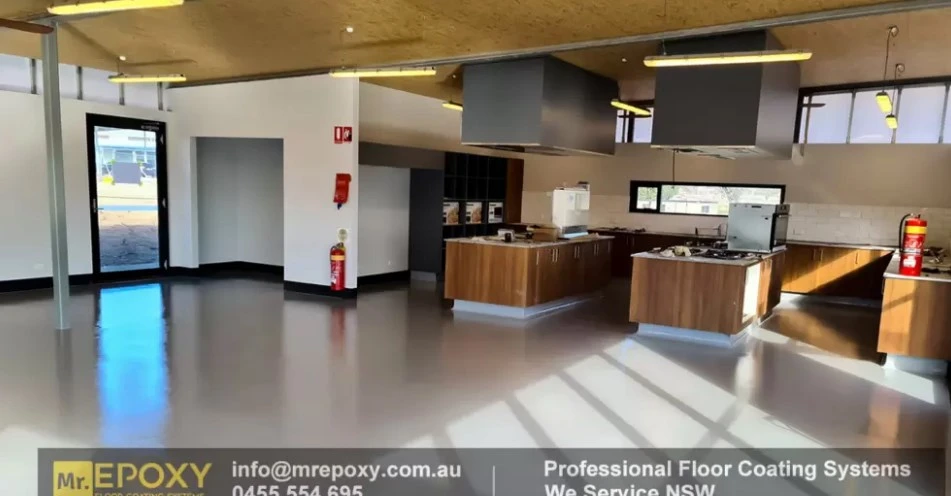
While epoxy can be constructed to be the stronger of the two flooring alternatives, both are durable. Industrial coatings can be easily tailored to safeguard concrete's structural integrity under pressure, including pressure from large machines. Due to its capacity to handle almost any kind of demand, no matter how intense, epoxy is a fantastic alternative if your warehouse is utilized for the distribution of pharmaceutical products, food, and beverage storage, chemical storage, and other processing and manufacturing possibilities. Epoxy concrete coatings are more expensive, though they are more durable. However, if your warehouse must survive demanding conditions, epoxy flooring can be a wise investment.
Warehouse Polished Concrete Flooring
In general, polished concrete floors will be less expensive than an epoxy or industrial coating. A polished concrete surface can support a forklift's weight, but it cannot withstand as much abrasion as epoxy. For a light to medium general service warehouse that isn't occupied 24 hours a day, this flooring is a fantastic choice. Special tools are used to achieve the required aesthetic, durability, and gloss levels. These are just a few of the numerous elements that contribute to polished concrete warehouse flooring producing high-quality results. Polishing concrete is fundamentally similar to sanding wood. Progressively finer diamond-grit abrasives are used as ‘sandpaper’ for polishing concrete. These are attached to powerful machinery that grind the surface.
Warehouse Concrete Joint Filling
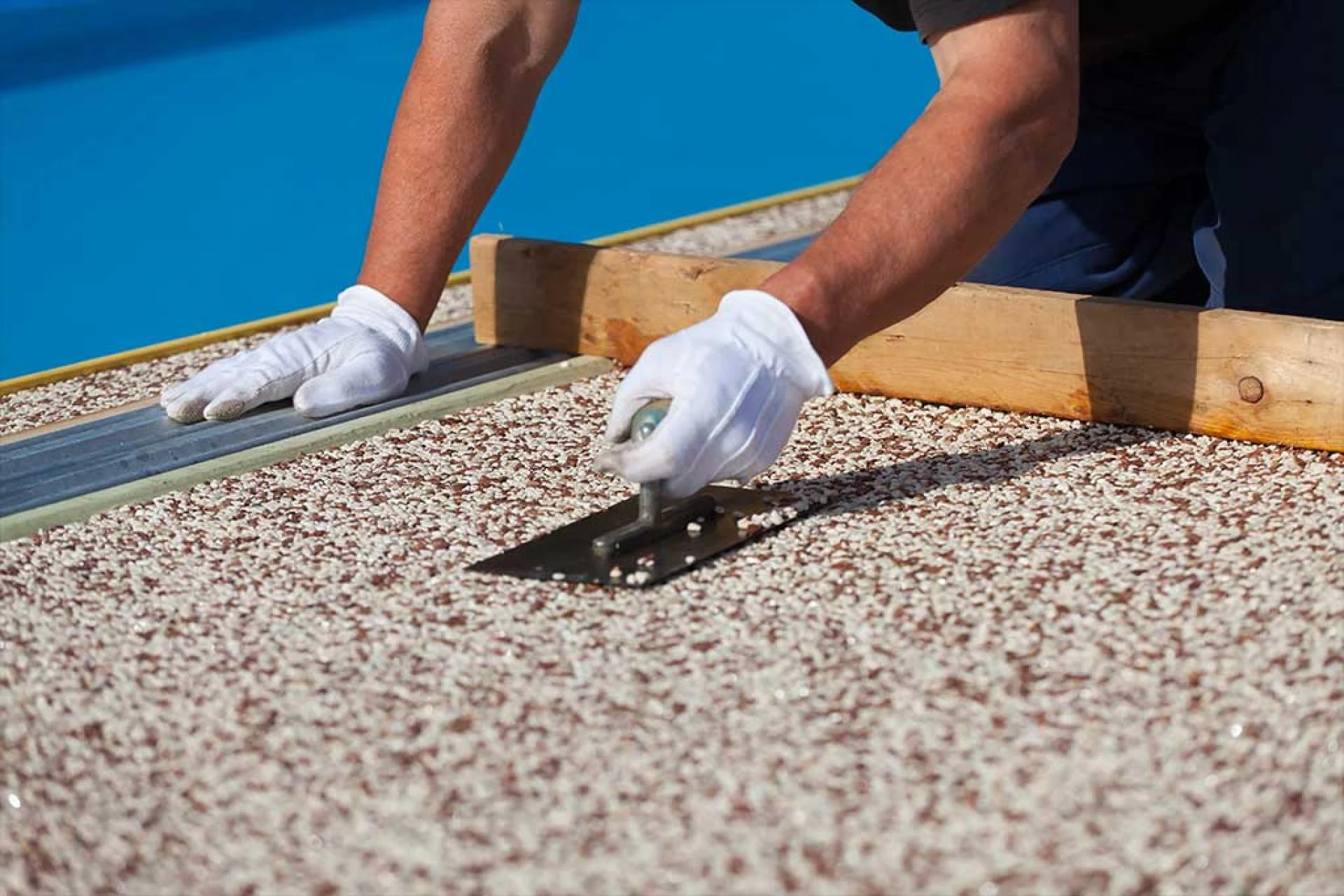
If the flooring in your commercial facility is made of poured concrete, it may inevitably crack over time. The truth is that cracks in any span of concrete are natural and common, and they might appear due to changes in temperature, humidity, and other variables. For safety reasons, it is important to employ concrete joint filling before the concrete's surface is refinished. This is necessary if you work in a warehouse with an older concrete floor that has developed uneven fissures or cracks between poured slabs. Concrete joint fills will significantly lower the likelihood of concrete chipping over time, extending the concrete's life and durability and removing any potential tripping risks. Epoxy or polyurea fillers are the finest options for filling joints.
Concrete joint filler can also be used after applying stains, sealants, and epoxy coatings. Self-levelling polyurethane joint fillers are an excellent option in this situation since they are less prone to contract as they cure. The optimum concrete joint filler to employ for your floor's specific characteristics and requirements can be determined in collaboration with you by your concrete flooring contractor.






Sign in to leave a comment.